
Reviewed · OLIVE OIL TASTINGS
Corfu: Olive Oil Experience – The Governor’s Olive Mill
The star here is not a grand monument but a green-gold spoonful of Corfu. At The Governor’s Olive Mill, you learn why the island’s Lianolia olives matter, how oil was made by hand, and how modern machines protect flavor. The tasting turns a familiar kitchen staple into something you can actually assess.
I like two things in particular: the family connection behind the mill, and the trip beyond the tasting room to the old olive groves and the 1,500-year-old Mitera, or Mother Tree. Guides such as Maria, Eleni, George, and Spiros also add local stories and practical food advice. The main consideration is timing. Although the activity is advertised as three hours, several itineraries with port pickup took five to six hours, and the van may feel crowded.
In This Review
- Key points to know before booking
- Why this olive mill belongs on a Corfu itinerary
- The drive from Corfu port or your hotel
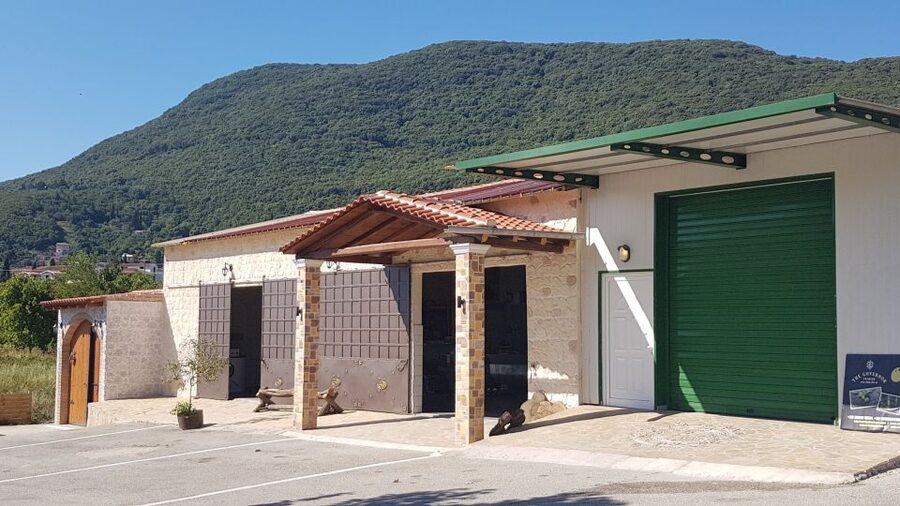
- Inside the old Dafnis family mill
- The modern mill and the Governor brand
- The tasting with bread, cheese, and local snacks
- The old groves and the Mitera tree
- Gardiki Byzantine Castle as a final historical stop
- Who will get the most from this tour
- Booking details that affect your day
- Should you book The Governor’s Olive Mill?
- FAQ
- How long does the olive mill experience last?
- Where can pickup and drop-off take place?
- What time does pickup usually happen?
- Is the tour private?
- Which languages are available?
- What food is included with the tasting?
- Is the food a full meal?
- Are children allowed?
- What will I see at the olive mill?
- Can I buy olive oil at the end?
Key points to know before booking
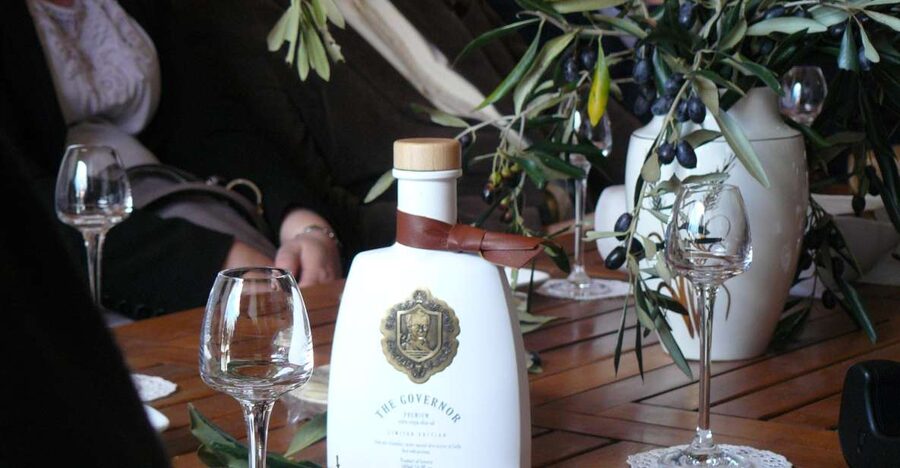
- Taste Corfu’s Lianolia olive oil: The Governor Extra Virgin Olive Oil is made from a single Corfiot variety and has won major international awards.
- See two production eras: The visit moves from the family’s old loutrouvio mill to a modern processing area with current extraction equipment.
- Learn useful tasting skills: You practice identifying quality, freshness, aroma, flavor, and storage concerns rather than simply sampling oil.
- Visit the 1,500-year-old Mitera tree: The ancient olive tree gives the tour a strong sense of place and makes a memorable photo stop.
- Add a historical stop: Gardiki Byzantine Castle provides a short look at the wider history of southern Corfu.
- Expect a flexible road day: Pickup is offered from Corfu hotels, the airport, and port within a stated radius, but exact timing and group size need confirmation.
Why this olive mill belongs on a Corfu itinerary

Corfu is often presented through its beaches, Old Town streets, and Venetian connections. Olive oil gives you another way into the island. The olive tree is part of daily cooking, family land, rural work, and local identity, so this excursion explains a piece of Corfu that many sightseeing routes skip.
The experience begins with the past. In the museum area, you see old harvesting tools and machinery while your guide explains how families produced oil for generations. This is not just a display of rustic objects. It shows how demanding the old work was, and why methods such as pressing, storage, and timing have such a strong effect on the final product.
Then the tour shifts to the modern mill. You follow the basic stages of processing and extraction and see how present-day equipment handles the olives. I like this old-to-new structure because it gives you a clear comparison. You are not asked to admire an antique machine without context. You see what changed, what stayed important, and why careful producers pay close attention to the fruit from harvest through bottling.
The family story also matters. The Dafnis family has preserved the old mill while developing a modern operation, and the visit feels tied to a working agricultural tradition rather than a generic food demonstration. That connection is one reason this excursion feels more personal than a short shop tasting.
More Olive Oil Tastings in Corfu
- The Governor’s Olive Mill Tour with Olive Oil Tasting
★ 5.0 · 502 reviews - Corfu: Greek Cooking Class & Olive Oil Tasting
★ 4.9 · 137 reviews - North Corfu Olive Tour With Olive oil Tasting & Meze
★ 5.0 · 89 reviews
The drive from Corfu port or your hotel
Pickup is included from selected Corfu hotels, the airport, or the port, provided your location is within the stated 25 to 30 kilometer radius. The advertised pickup window is around 9:00 to 9:30 in the morning, with the mill tour beginning at about 10:30.
The drive from Corfu Town takes roughly 45 minutes to an hour, depending on the starting point. That ride is part of the experience. Guides and drivers have used the time to point out parts of the island, explain local customs, and suggest Greek foods to try during your stay. George and Spiros are especially noted for turning the transfer into an informal island introduction.
There is a practical tradeoff. The vehicle is described as a minivan with space for up to eight people, while other booking details describe a small group of up to 10 and also give a total group range of 20 to 30. Those figures do not fully agree. The safest approach is to ask for the expected vehicle and group size before paying, especially if you dislike close quarters or are traveling with luggage.
Cruise passengers should pay close attention to the clock. The port pickup is convenient, and the operator has adjusted routes for people with limited time. Still, the full outing can run longer than the three-hour headline suggests. Several schedules included the mill, the grove, the tree, the castle, and the return drive, making five to six hours more realistic in some cases.
Inside the old Dafnis family mill
The loutrouvio, or old olive mill, is the first major stop. Here you learn how olive oil was produced before modern equipment reduced much of the manual work. The guide explains harvesting, crushing, pressing, and the effort involved in extracting oil with older methods.
This section works best if you enjoy seeing how food was made before industrial systems. The museum area is not huge, but it gives the later machinery tour a purpose. You can picture the labor behind each stage instead of treating the production process as a series of technical terms.
The presentation also connects olive oil with Greek and Corfiot culture. That cultural context keeps the tour from becoming a sales pitch. You understand why olive trees were planted, tended, and passed through families, and why an old tree can be treated almost like a member of the household.
Guides are a major part of the experience. Eleni has been praised for explaining both old and modern extraction clearly, with humor and a friendly manner. Maria is another guide whose warm presentation has made a strong impression. The exact guide depends on the day, but English is available, and Greek is also listed.
The modern mill and the Governor brand
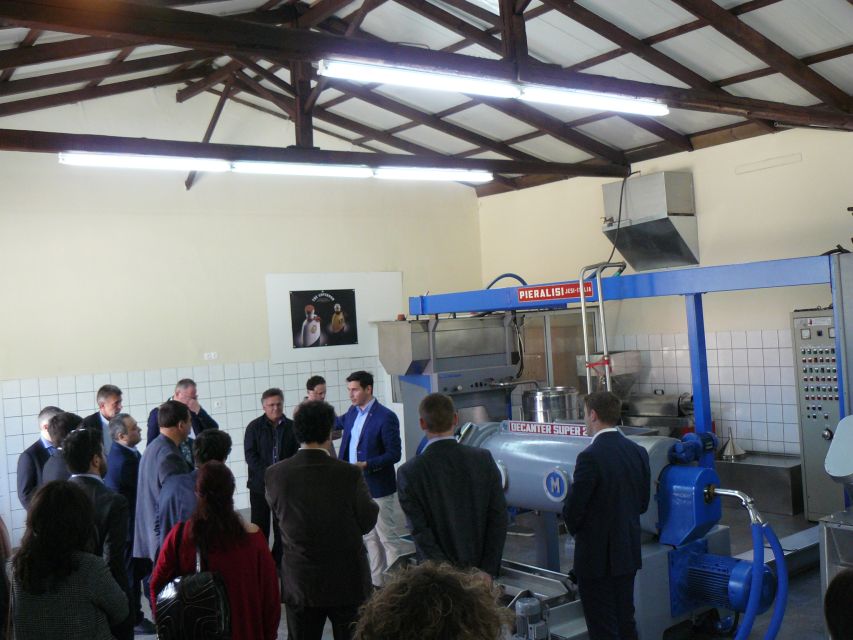
The modern production area explains how olives become extra virgin olive oil today. You learn about the stages of processing and extraction, along with the importance of handling the fruit properly. The point is not simply to watch machinery. It is to connect each stage with the taste and quality in your glass.
The Governor Extra Virgin Olive Oil is made from the single Lianolia variety native to Corfu. It is presented as the world’s first monovarietal EVOO from this variety and has received international prizes. The mill also highlights its health claim and its recognition as a medical food in scientific literature.
Those claims are part of the brand’s presentation, so I would treat them as information about the producer rather than as a reason to skip the sensory experience. The useful part for you is learning what a serious producer looks for: freshness, careful processing, correct storage, and a clean, distinctive flavor.
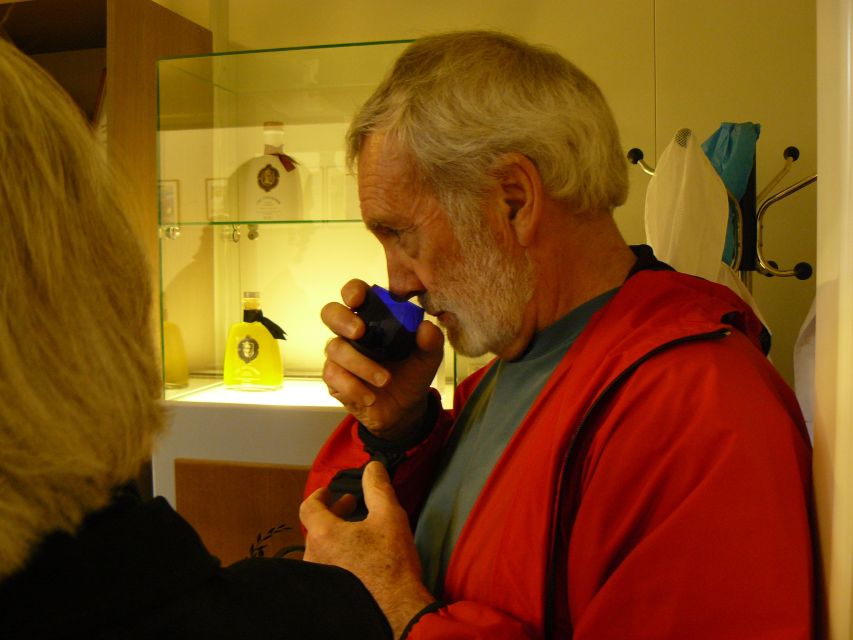
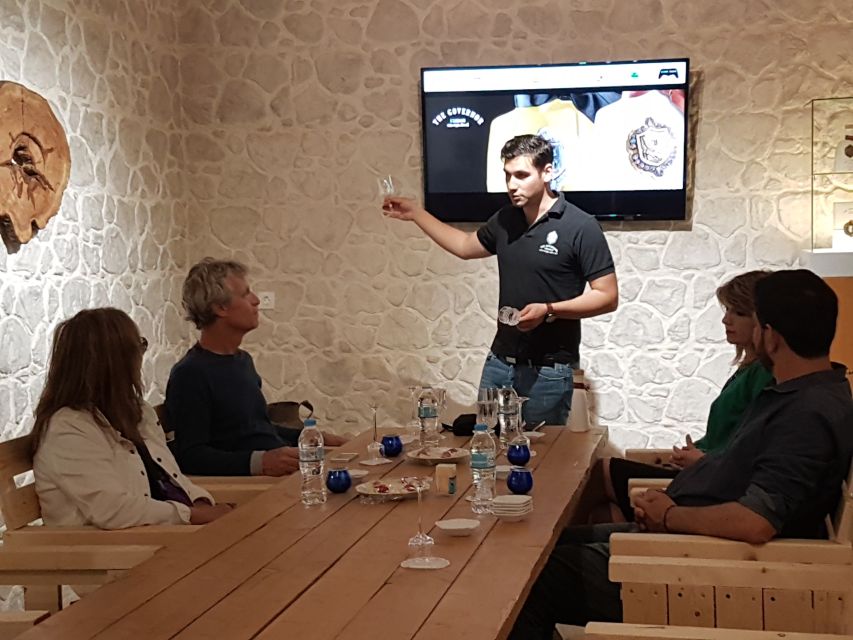
The awards displayed at the mill add context, but the tasting is where you can decide what you like. High-quality oil should not be judged only by a medal or an attractive bottle. The guide shows you how to smell and taste it, identify positive characteristics, and notice signs of lower quality. This is the sort of lesson you can use after returning home.
More olive oil tastings around Corfu:
- Symphony of Flavors – Olive Oil & Food Pairing at Corfu Town
★ 4.9 · 66 reviews - Corfu: Private Olive Oil Tasting with Guide
★ 4.9 · 62 reviews - Cooking Classes and olive oil tasting.The real taste of Greece!
★ 5.0 · 56 reviews - Knossos-Zeus Cave -Old Traditional Villages-Olive Oil Factory
★ 5.0 · 694 reviews
The tasting with bread, cheese, and local snacks
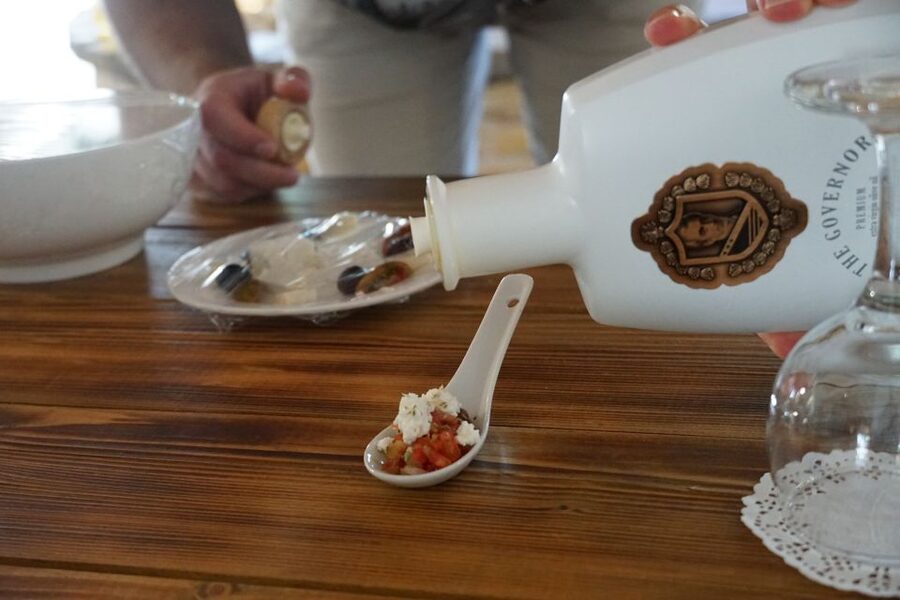
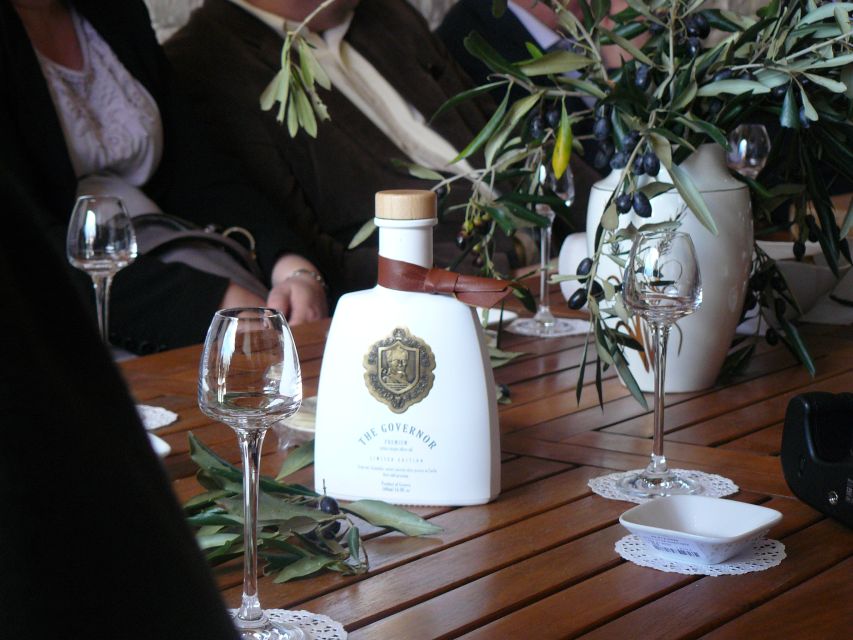
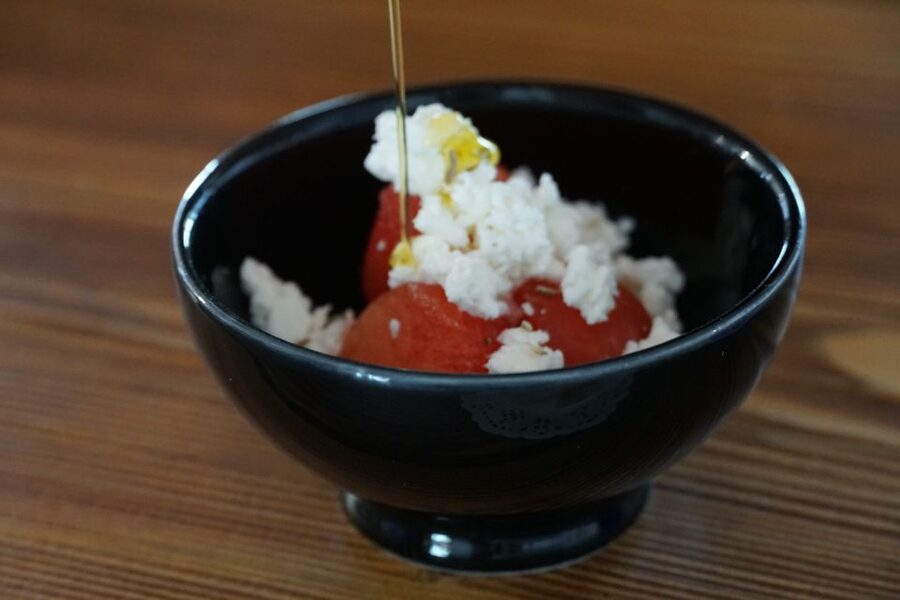
The tasting is the heart of the visit. You sample olive oil with village bread and traditional snacks, which may include cheese, cherry tomatoes, capers, and a dessert such as yogurt, ice cream, or chocolate. Natural mineral water is provided.
The portions are described as finger food, not lunch. I recommend eating breakfast first, especially if you are taking a morning pickup. The snacks are enough to make the tasting comfortable and enjoyable, but not enough to replace a full meal.
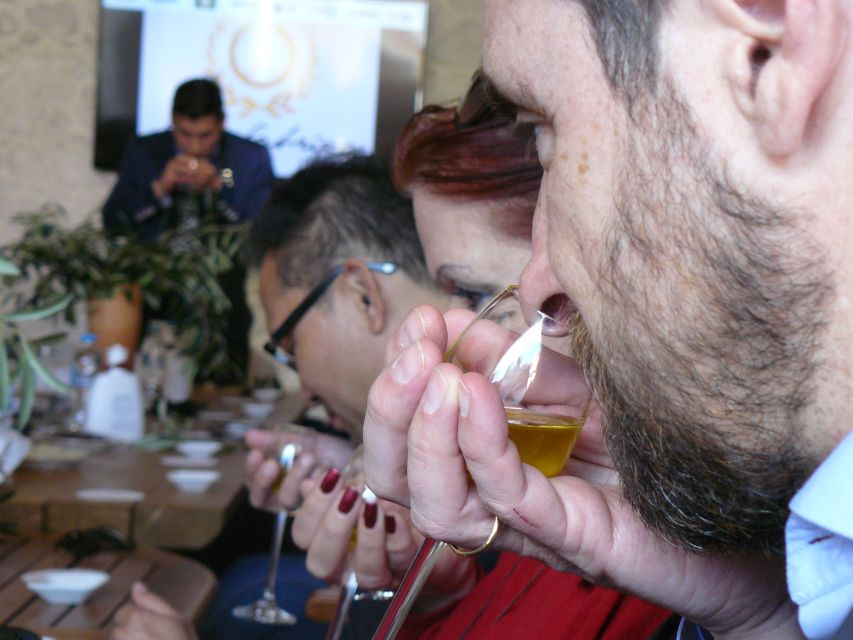
What makes the session valuable is the instruction. You learn how to taste olive oil rather than simply swallow it with bread. Smell, texture, bitterness, and the peppery finish all become part of the discussion. You also receive practical advice about choosing oil and storing it at home.
This is a good place to ask questions. You can compare different products, connect flavor with processing, and work out what you actually want in your own kitchen. The lesson is especially useful if you usually buy olive oil based only on the words extra virgin or on the appearance of the label.
There is an exhibition shop where you can buy the mill’s oils and related products, including sea salt. Purchasing is optional, but the shop makes sense after the tasting because you have tried the products and understand the differences. Prices for the products are not supplied, so you should compare them with local shops if budget matters.
The old groves and the Mitera tree
After the mill, the route continues by vehicle to the Dafnis family’s old olive groves. This is where the agricultural setting becomes more than a backdrop. You see the trees in the environment that gives Corfu its distinctive olive-growing tradition.
The highlight is Mitera, an olive tree estimated at about 1,500 years old. Some older descriptions have used a lower age, so the exact figure should be treated as an estimate, but the tree is still an extraordinary link to the island’s past. Standing beside it helps explain why olive trees carry such importance in Mediterranean culture.
Bring sensible shoes and insect repellent. The grove is outdoors, and mosquitoes have been a nuisance for some people, particularly in warmer months. The operator has provided mosquito bite cream, but your own repellent is the better plan.
The grove stop is also a good photo opportunity. Drivers such as Sotiris and Spiros have helped visitors with photographs and have added extra local information along the way. If you are interested in rural Corfu, this may be more rewarding than another quick viewpoint stop.
Gardiki Byzantine Castle as a final historical stop
The itinerary includes a stop at Gardiki Byzantine Castle, where you learn more about the area’s past. The castle adds a second historical layer to the day, after the old mill and the ancient olive tree.
Do not expect a long archaeological visit. The scheduled stop is brief, about 20 minutes, and the route describes it as a photo stop, visit, guided explanation, and walk. Its value is in the setting and the connection to the surrounding countryside, not in a detailed castle tour.
This stop can be particularly worthwhile if you enjoy history. If your schedule is tight, it may also be the first part of the route to shorten. One port passenger had to skip the grove portion to make it back to the ship on time, so cruise passengers should tell the operator their departure deadline before the day begins.
Who will get the most from this tour
I would choose this for anyone who enjoys food, agriculture, family businesses, or practical cultural experiences. It suits couples, small groups, and curious solo visitors who want more than a standard Corfu Town sightseeing loop.
It is also a smart choice for people who plan to buy olive oil at home. The tasting lesson can save you from choosing only by price or packaging, and the storage advice remains useful long after the holiday.
Families can bring younger children, and entry is free for children under eight. Still, the tour includes explanations of production methods and a tasting seminar, so adults and older children are likely to get more from it.
This is less suitable if you want a tightly timed three-hour activity or a private tour. The group size information is inconsistent, and the transfer may be crowded. It is also not the right pick if you need a substantial meal during the outing.
At $80 per person, the price is reasonable if you use the included transport and take the complete route. A private taxi to a rural mill, a guided production visit, a tasting, an ancient tree, and a castle stop could cost more on its own. The value drops if you only have time for the mill and tasting, or if you are mainly looking for a full lunch.
Booking details that affect your day
The activity includes pickup, drop-off, a live guide, and olive oil tasting. English and Greek are listed, with English specifically identified as available for the tour. The experience is described as wheelchair accessible, but you should confirm the practical details of the grove and castle stops if mobility is a concern.
Give the operator your number of people and pickup point at least 24 hours ahead. Since pickup is limited to a stated radius, confirm that your hotel, airport meeting point, or port location qualifies.
You can cancel up to 24 hours before the activity for a full refund, and a reserve-now, pay-later option is available. These terms make the excursion easier to fit around a changing Corfu schedule, but they do not solve the timing issue for cruise passengers. Confirm the return time before departure.
Should you book The Governor’s Olive Mill?
Yes, if you want a friendly, food-focused look at Corfu that combines working agriculture, local history, and a useful tasting lesson. The strongest parts are the old and modern mill comparison, the quality of the guides, the Mitera tree, and the chance to learn how to judge oil for yourself.
I would book it with two cautions. Eat breakfast, bring mosquito repellent, and allow more than three hours if you want the full route. If you are leaving on a cruise ship, give the operator your firm all-aboard time and ask which stops can be shortened.
For a relaxed day with local food and a family connection, this is one of Corfu’s more rewarding excursions. For a strict half-day schedule, confirm the transport plan first.
FAQ
How long does the olive mill experience last?
The stated duration is three hours, but pickup, driving, the grove visit, the ancient tree, and Gardiki Castle can make the full outing longer. Some schedules have taken five to six hours.
Where can pickup and drop-off take place?
Pickup and drop-off are available from selected Corfu hotels, the airport, and the port, within a stated 25 to 30 kilometer radius of the mill. You must provide your pickup information at least 24 hours ahead.
What time does pickup usually happen?
Pickup is generally around 9:00 to 9:30 in the morning, with the mill tour beginning at about 10:30.
Is the tour private?
No. The experience is not private. The supplied details describe a small group, but they give conflicting limits, including up to 10 participants and total groups of 20 to 30. The minivan is listed as holding up to eight people.
Which languages are available?
English and Greek are listed. English is specifically available for the guided tour.
What food is included with the tasting?
Finger food can include village bread, cheese, cherry tomatoes, capers, a dessert such as yogurt, ice cream, or chocolate, and natural mineral water.
Is the food a full meal?
No. The tasting includes snacks rather than a full lunch. Eating breakfast before pickup is recommended.
Are children allowed?
Yes. Children under eight enter free.
What will I see at the olive mill?
You will see a museum area with traditional tools and machinery, the old Dafnis family loutrouvio mill, the modern production area, and displays about the olive oil’s international prizes.
Can I buy olive oil at the end?
Yes. Olive oil products are available for purchase at the mill’s exhibition shop.
Recently reviewed around Corfu
- Private Airport Transfer Service in Corfu★ 5.0 · 33 reviews
- Cooking Classes and olive oil tasting.The real taste of Greece!★ 5.0 · 56 reviews
- Elysium Transfer & Rental Services, Greece★ 5.0 · 48 reviews
- Paragliding Tandem Flight in Corfu★ 5.0 · 167 reviews
- The Amazing Glyfada Beach★ 4.0 · 43 reviews
- Visit Corfu Private Tour – The Best Way to Discover Corfu★ 4.5 · 51 reviews
- Best Corfu Tour with Boat Trip & Old Town for Cruise Passengers★ 4.5 · 107 reviews
- Leisurely Tour of Corfu★ 4.0 · 151 reviews
Olive Oil Tastings, compared.
Knossos-Zeus Cave -Old Traditional Villages-Olive Oil Factory
Read our review →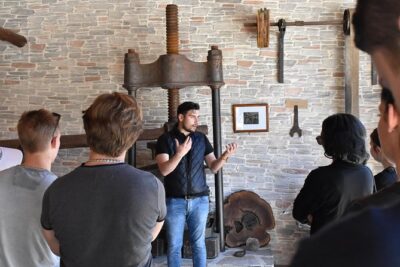
The Governor’s Olive Mill Tour with Olive Oil Tasting
Read our review →

Zeus Cave, Lassithi Plateau, Olive Oil Factory, Kritza, Pottery
Read our review →
Knossos & Lasithi Plateau: Zeus Cave,Villages, Olive Oil Tour
Read our review →
Browse the lists this tour appears in