
Reviewed · FOOD & DRINK
Crete: Farm Visit with Cheese Tasting and Milking Experience
Arkadianos Farm lets you do more than look at farm life. You can feed goats and sheep, try milking them, and help make traditional Cretan cheese before sitting down to taste what the farm produces. The family-run setting, with a grandmother preparing cheese and children free to play, gives the visit a warm, homespun feel.
I especially like the hands-on milking and the chance to taste several products made on site, from feta and graviera to goat cheese, yogurt, and milk desserts. The animal area is another strong point, with goats, sheep, cows, chickens, geese, dogs, cats, and peacocks. The main consideration is transport: hotel pickup is not included, so you need your own way to the farm.
In This Review
- Key points at a glance
- A working farm, not just a photo stop
- Meeting the animals at Arkadianos Farm
- Trying the milking experience
- Making cheese in the traditional factory
- The tasting table: feta, graviera, and Tyromalama
- Space for children beyond the animal pens
- A useful base for Rethymno day plans
- What the $28.23 price gives you
- Practical details before you book
- Who should book the Arkadianos Farm visit?
- Should you book it?
- FAQ
- Where is Arkadianos Farm located?
- How long does the farm experience last?
- Is hotel pickup included?
- Can children take part?
- Which animals can you see?
- What food and drinks are included?
- Is the activity wheelchair accessible?
Key points at a glance
- Milk goats and sheep by hand and with modern equipment, with guidance on how the animals are cared for.
- Make traditional Cretan cheese at the farm’s cheese factory, rather than only watching from a distance.
- Feed and pet a wide range of animals, including cows, chickens, geese, dogs, cats, and colorful peacocks.
- Taste farm-made food, including feta, graviera, goat cheese called Tyromalama, sheep yogurt, puddings, and other milk desserts.
- Give children room to play, with a safe playground, a small lake, an herbal garden, and a vegetable patch.
- Combine the visit with nearby sights, including Arkadi Monastery, Margarites, Ancient Eleftherna, or Rethymno.
A working farm, not just a photo stop
The best part of this experience is its active format. You are not simply led around a farm while someone explains what happens there. You get to take part in several small jobs, then see how milk becomes cheese and finally taste the results.
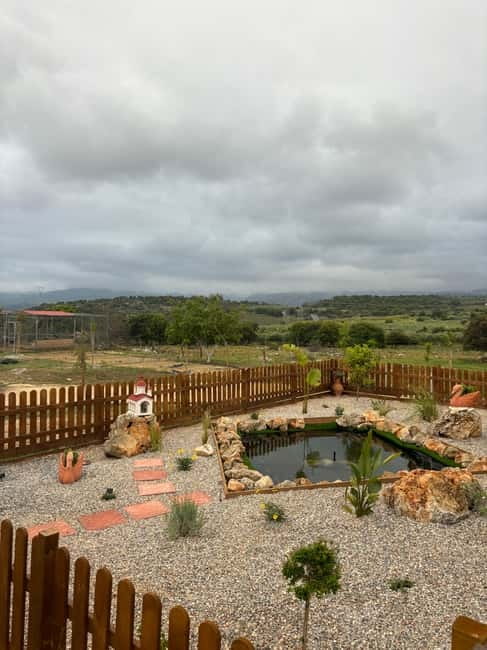
The visit takes place at Arkadianos Farm in the countryside near Rethymno. The setting includes views toward the Cretan mountains, an artificial lake, a garden of local aromatic plants, and a vegetable patch where you can taste tomatoes and cucumbers straight from the soil.
That mix matters. A farm visit can feel thin if it amounts to a few animals in pens and a quick snack. Here, the setting gives the activity more room to breathe. You can move between animals, the factory, gardens, and children’s areas without spending the entire time in one room.
The tour lasts about 1.5 hours. That is long enough for several activities, but short enough to fit into a day of sightseeing around Rethymno. You should still check the available starting times before booking, since the schedule can affect how easily you fit the farm into your plans.
More Greece trips worth a second look
- From Chania: Olive Oil, Wine, Cheese & Honey Tasting Tour
★ 4.6 · 490 reviews - Athens: Acropolis Wine Tasting with Cheese and Olives
★ 4.9 · 248 reviews
Meeting the animals at Arkadianos Farm
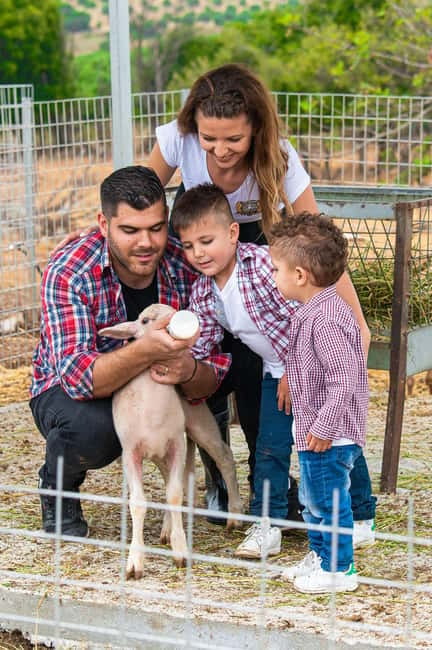
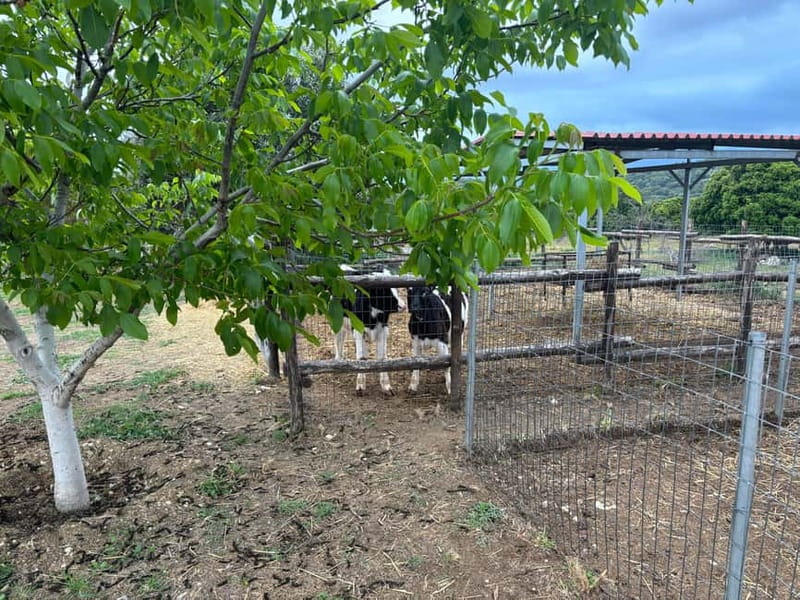
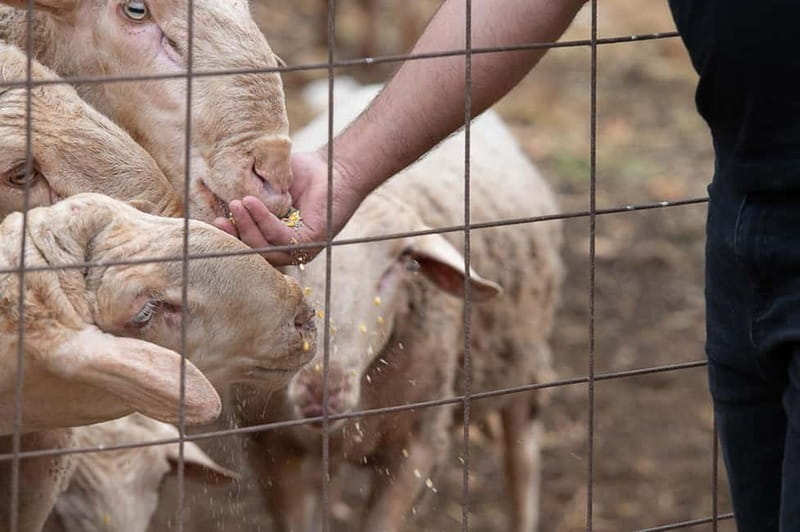
The animal portion is designed for both children and adults. You can meet, feed, pet, and photograph goats, sheep, cows, dogs, cats, chickens, geese, partridges, and peacocks.
The variety gives the visit a pleasant rhythm. One minute you may be watching a goat, and the next you are looking at a peacock or helping with the chickens. For children, this is much more engaging than seeing only one type of farm animal. For adults, it offers a simple look at the daily care behind the food served later.
The farm also presents animal care as part of the experience. You learn how the animals are looked after and how their milk is collected. That context is useful because it connects the feeding and milking activities to the farm’s actual work, rather than treating them as isolated amusements.
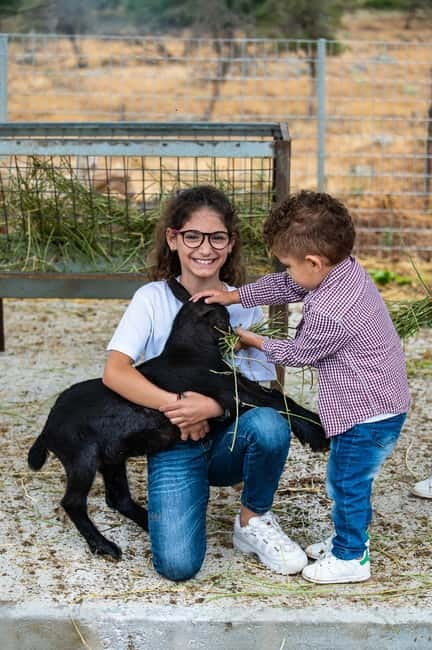
Some of the most appealing moments may come from the smaller encounters. The experience includes a chance to cuddle or handle young animals, and the friendly farm dogs and cats add to the family atmosphere. The colorful peacocks also provide an easy photo subject, especially for children who tire of the standard goat-and-sheep routine.
You should remember that this is a working farm. Animal interactions depend on what is safe and suitable at the time. The point is to take part under guidance, not to treat the animals like props.
Trying the milking experience
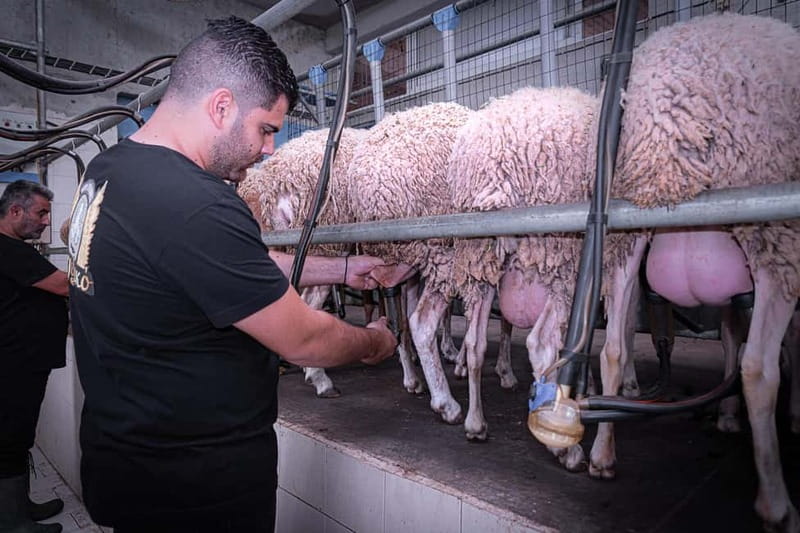
Milking is one of the clearest reasons to choose this activity. You can try milking goats and sheep by hand, and you can also see or use modern milking equipment as part of the demonstration.
Hand milking gives you a direct sense of the task. It is not as easy as it may look, and that is part of the fun. The modern equipment then shows how a farm handles the same job on a larger or more efficient scale.
I like this combination because it connects old and new methods without turning the visit into a technical lecture. You get the tactile experience first, then a better idea of how a real dairy operation works.
For families, the milking section tends to be a natural highlight. Children can try something they would not normally encounter in a city or resort setting. Adults may appreciate the practical side more, especially when the guide explains how the animals’ milk moves from the farm to the cheese factory.
The supplied information does not give a minimum age or a set order for who gets to milk first. If you are visiting with very young children, plan to follow the guide’s instructions closely and expect the activity to be supervised.
Making cheese in the traditional factory
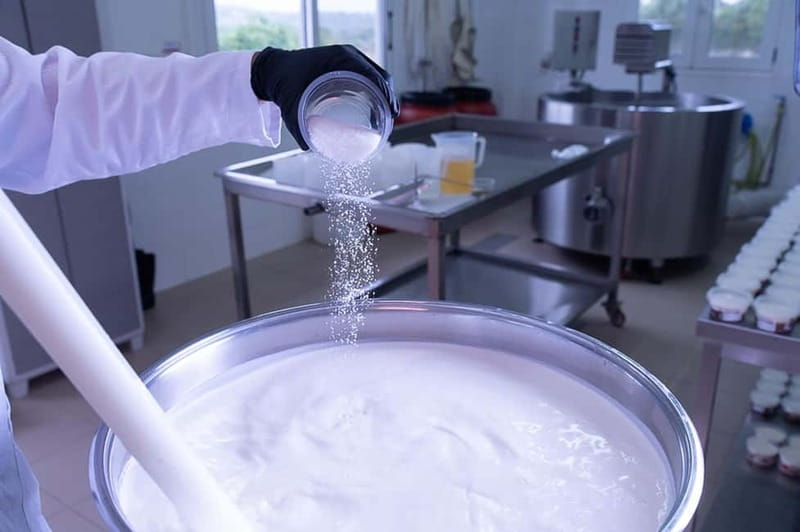
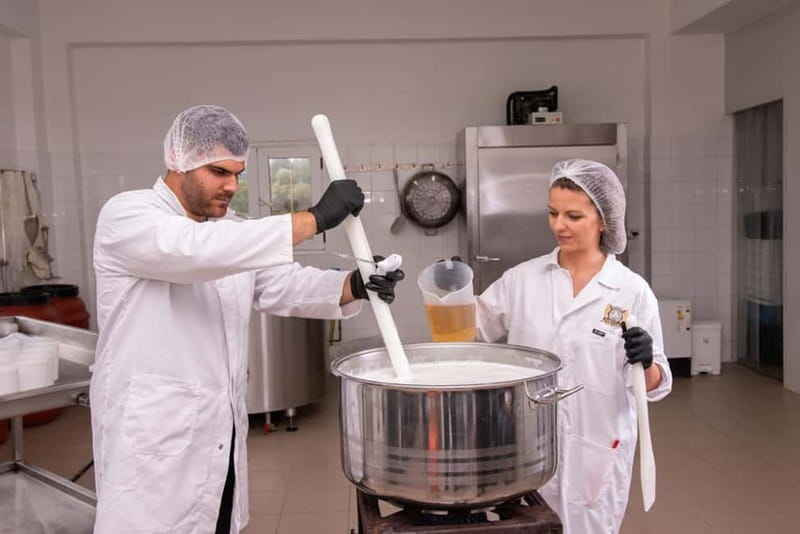
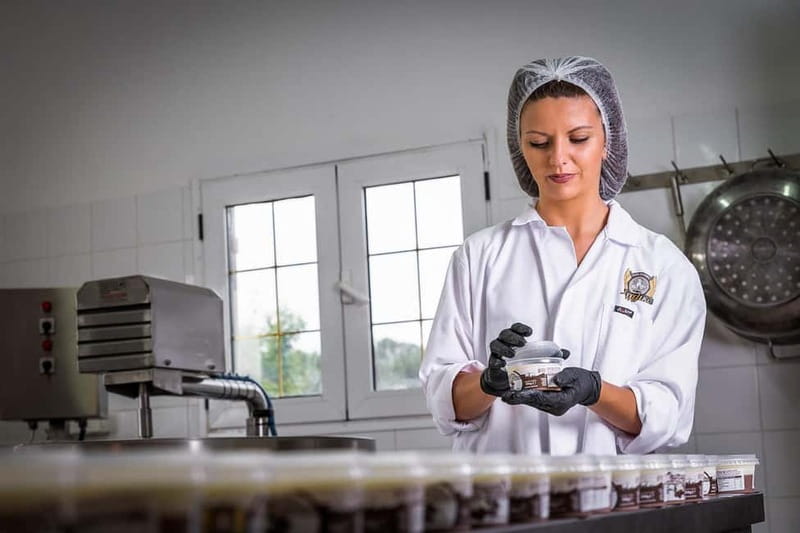
After meeting the animals and trying the milking, you move to the traditional cheese factory. Here you take part in making a Cretan cheese and follow the process from fresh milk to the finished product.
This is a useful section of the tour because it gives meaning to the tasting at the end. Instead of sampling cheese as an unrelated snack, you have just seen how milk is handled and transformed. The factory also helps you connect Cretan dairy products to the farm itself.
A family member, including the grandmother, may be involved in preparing the cheese. That detail gives the activity a personal feel and links the factory work to family tradition. It is not presented as a polished cooking performance. The appeal is in seeing a familiar local method carried on in a real farm setting.
The description says cheese making is included, and the experience involves making an authentic Cretan cheese. It also refers to viewing the cheese-making process, so the exact amount of hands-on work may vary during the visit. You should expect active participation, but not assume that you will independently prepare an entire batch from start to finish.
The factory portion is especially worthwhile for anyone interested in Greek food beyond the usual restaurant menu. You learn that Cretan food culture is not only about olive oil, herbs, and grilled meat. Sheep and goat dairy products are a major part of the island’s rural food tradition, and this visit gives you a direct taste of that connection.
More Greece food and drink outings:
- Greek Food Walking Tour in Athens
★ 5.0 · 4,740 reviews - Athens: Street Food Tasting Tour
★ 4.9 · 2,557 reviews - Small Group Greek Traditional Food Tour in Athens 20+ Tastings
★ 5.0 · 1,759 reviews - Tour and Wine Tasting in Mykonian Land
★ 5.0 · 1,357 reviews
The tasting table: feta, graviera, and Tyromalama
The tasting is generous in range. You can sample fresh feta, graviera, the farm’s goat cheese called Tyromalama, Greek sheep yogurt, handmade milk desserts, local wine, and raki.
The cheese selection gives you useful contrasts. Feta is familiar to many people, while graviera offers a firmer and fuller style. Tyromalama brings a goat-milk flavor that may be less familiar, and it gives the tasting a local point of difference.
The yogurt and puddings soften the meal and make the tasting work well for children. The desserts are made at the farm, so this is not just a plate of packaged samples. The combination of cheese, yogurt, and sweet milk-based dishes gives you a broader picture of what the farm produces.
Local wine and raki are included. Raki is a strong Cretan spirit, so it is best approached slowly, especially after a morning of food and activity. The information does not specify the amount served or offer details about wine varieties, so think of these as tasting portions rather than a full drinks experience.
The strongest value comes from the fact that you can buy handmade products directly from the source. If you find a cheese or dessert you like, you can take it home rather than trying to remember its name later. The available products and packaging are not listed, so bring your own plans for carrying purchases if you intend to shop.
Space for children beyond the animal pens
This farm visit is particularly well suited to families because the experience does not end when the guided activities pause. Children can use a safe natural playground, giving adults a chance to slow down and enjoy the setting.
That matters on a 1.5-hour activity. Young children often need movement between demonstrations, and a playground can prevent the visit from becoming a sequence of explanations they cannot follow. The open areas around the artificial lake, herbal garden, and vegetable patch add more variety.
The vegetable garden is a nice touch. You can see tomatoes and cucumbers growing and taste them straight from the earth. It is a small detail, but it reinforces the farm-to-table idea more clearly than a sign or speech.
The playground is described as safe and designed for children, but the supplied information does not list its equipment or size. You should still keep an eye on young children, as you would at any farm or outdoor attraction.
Adults without children will not be left with nothing to do. The animal feeding, milking, factory visit, tasting, and garden areas give the experience enough substance for couples and solo visitors who enjoy food and rural life. Still, the energy of the place is likely to feel most natural for families.
A useful base for Rethymno day plans
The farm’s location makes it easy to add the visit to a day in the Rethymno area. It is 12 kilometers from Arkadi Monastery, 24 kilometers from the Museum of Ancient Eleftherna, 9 kilometers from the pottery village of Margarites, and 18 kilometers from Rethymno city.
Margarites is the closest pairing, so it may be the simplest combination if you want a shorter outing. The pottery village adds a craft element to the farm’s food and animal focus.
Arkadi Monastery is also nearby and makes a strong cultural match. You can spend part of the day with Cretan rural traditions at the farm, then visit one of the island’s best-known religious and historic sites.
Ancient Eleftherna is farther away, but still close enough to consider if archaeology interests you. Rethymno city works well before or after the farm, especially if you are staying there and want a countryside break without committing to a full-day excursion.
There is no hotel transfer included. You need to reach the meeting point yourself, and the activity ends back there. Because the information gives distances but not public transport instructions, a private vehicle or another independently arranged transfer is the practical option. Check the exact meeting details and driving time before committing to a tight schedule.
What the $28.23 price gives you
At $28.23 per person, this is priced as an affordable short activity rather than a full-day farm excursion. The value is good if you use the interactive parts: animal feeding, milking, cheese making, and the tasting.
A simple farm walk would not justify the same price as easily. Here, the fee covers a guided visit, several animal encounters, participation in milking, cheese-making viewing and activity, and food and drink samples. The chance to buy directly from the farm adds value if you want to bring home local products.
The duration also keeps the cost manageable. You are not paying for a long coach outing or an all-day program, and you can still build the farm into a larger Rethymno itinerary.
The price does not include hotel transfer or any purchases you make at the farm. Those extra costs are easy to overlook. If you do not have transport, compare the price of reaching the farm with the activity fee before booking.
The experience has a 4.9 rating from 34 reviews, with repeated praise for the friendly family presentation, the excellent cheese, the farm-made yogurt and puddings, and the range of activities. Those strengths line up with what the tour actually offers, especially for families who want more than a passive tasting.
Practical details before you book
The live tour guide speaks English. No other language is listed, so if you need another language, confirm availability before reserving.
The activity is wheelchair accessible. Since the experience takes place across a farm, outdoor spaces, animal areas, and a cheese factory, you may want to confirm any specific mobility needs with the provider in advance.
Free cancellation is available up to 24 hours before the activity for a full refund. You can also reserve now and pay later, which helps if your Rethymno plans are still taking shape.
Starting times vary, so check availability rather than assuming a fixed departure. The meeting point is the farm, and the activity returns there at the end.
Wear clothing and shoes suitable for a farm visit. This is practical advice rather than a listed rule: feeding animals, trying milking, walking outdoors, and visiting a factory can be messier than a standard sightseeing stop.
Who should book the Arkadianos Farm visit?
I would choose this for families with children, especially if your children like animals and need a little freedom to move around. The playground, feeding, milking, gardens, and desserts give them several reasons to stay interested.
Food-focused visitors will also get plenty from it. You can learn about Cretan dairy production, taste several kinds of cheese, sample sheep yogurt and handmade puddings, and buy products at the source.
Couples and solo visitors can enjoy it too, but the value depends on your interest in rural life. If you want a quiet cheese tasting with no children around and no animal activities, this may feel more active than necessary.
I would be cautious if you do not have transport or if you are trying to fit too many major sights into one day. The farm works best as part of a flexible countryside plan, not as a rushed stop between timed attractions.
Should you book it?
Book the Arkadianos Farm experience if you want a short, friendly introduction to Cretan farm life with real participation. The best reasons are the goat and sheep milking, the family cheese-making setting, the wide range of animals, and the tasting of products made on site.
The main drawback is simple: you must arrange your own transport, and the activity is only 1.5 hours. For families, food lovers, and anyone pairing it with Margarites, Arkadi Monastery, Ancient Eleftherna, or Rethymno, the $28.23 price offers solid value. If you prefer a formal museum visit or a long, quiet meal, choose something else.
FAQ
Where is Arkadianos Farm located?
The farm is in the Rethymno area of Crete. It is 12 kilometers from Arkadi Monastery, 24 kilometers from the Museum of Ancient Eleftherna, 9 kilometers from Margarites, and 18 kilometers from Rethymno city.
How long does the farm experience last?
The activity lasts 1.5 hours. Starting times vary, so check availability when booking.
Is hotel pickup included?
No. Hotel transfer is not included. You must arrange your own way to the farm meeting point.
Can children take part?
Yes. Children can feed and play with the farm animals, try milking, take part in the cheese-making experience, and use the safe playground.
Which animals can you see?
The farm has goats, sheep, cows, dogs, cats, chickens, geese, partridges, and colorful peacocks.
What food and drinks are included?
The tasting includes feta, graviera, Tyromalama goat cheese, Greek sheep yogurt, handmade milk desserts, local wine, and raki.
Is the activity wheelchair accessible?
Yes. The activity is listed as wheelchair accessible. You can confirm any specific access requirements with the provider before booking.
More Farms in Greece
- Mykonos: Farm, Ano Mera Village, and Beaches Guided Tour
★ 4.4 · 1,283 reviews - Crete: Road-trip to Lasithi Plateau & Olive Mill Farm
★ 4.4 · 420 reviews - Heraklion: Olive Farm Tour with Tasting of Local Delicacies
★ 4.9 · 411 reviews - Crete: Knossos, Lasithi, Lasinthos and Olive Farm Combo Tour
★ 4.5 · 351 reviews
Recently reviewed around Greece
- All Day 4×4 Adventure / Lefkada / With Brunch★ 5.0 · 73 reviews
- Artemis Hamam and Spa with Hotel Transfers Kos Island★ 4.5 · 77 reviews
- Half day boat diving experience for beginners in Kos Greece★ 5.0 · 29 reviews
- Sunset in Zia★ 4.0 · 282 reviews
- Private Greek Cooking Class in Kos with Lunch★ 5.0 · 26 reviews
- Three Island Cruise from Kos★ 4.0 · 33 reviews
- Kos 4×4 Exploration: Views, Villages & Flavors★ 4.5 · 37 reviews
- Lets Go Diving with pickup from hotel★ 4.5 · 42 reviews
Food & Drink, compared.


Small Group Greek Traditional Food Tour in Athens 20+ Tastings
Read our review →
Santorini Wine Stories: Sunset Tour with Tasting & Dinner
Read our review →
Food Market Visit and Cooking Class with Wine
Read our review →
Browse the lists this tour appears in