
Reviewed · FOOD & DRINK
Kleanthi Olive Farm: Guided Tour with Local Delicacies Tasting
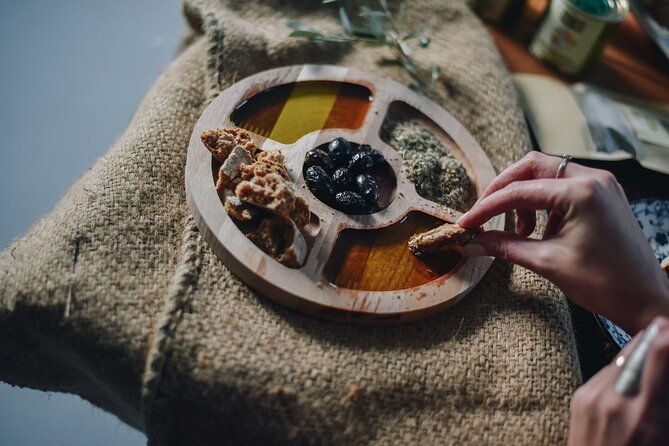
Kleanthi Olive Farm turns a simple bottle of oil into a clear Cretan story. You walk among old olive trees, see the mill equipment, learn how olives become oil, then sit down to taste the results with bread, cheese, fruit, honey, herbs, and other local foods. The tasting is the main event, but the grove and mill give it useful context.
I like the warm, family-run feel and the way guides such as George, Mary, Yannis, and Theodora explain the process in friendly English. I also like the price: $25.34 per person buys a 75-minute visit with a substantial food tasting, and the shop does not rely on a hard sell.
The main caution is timing. Outside the harvest season, the production line may be quiet or switched off, so you will focus more on olive-growing traditions, the farm, and tasting rather than watching active production. If working machinery matters to you, ask about harvest dates before booking.
In This Review
- Key points to know before you go
- A Cretan olive farm near Heraklion
- Walking among the olive trees
- Inside the mill and production area
- The tasting table is the real payoff
- A window into family life in Crete
- What the price includes in practical terms
- When to visit and what to plan
- Who will enjoy Kleanthi Olive Farm most
- Should you book this olive farm tour?
- FAQ
- Where is Kleanthi Olive Farm?
- How long does the tour last?
- How much does the experience cost?
- What language is the tour offered in?
- What happens during the visit?
- What foods are included in the tasting?
- Is the mill operating during every visit?
- Can I cancel for a refund?
Key points to know before you go
- Walk through real olive groves: The tour begins among the trees, with an explanation of cultivation and Cretan olive-growing traditions.
- See how oil is made: The mill equipment, production steps, and a short video help connect the fruit on the tree with the oil on your table.
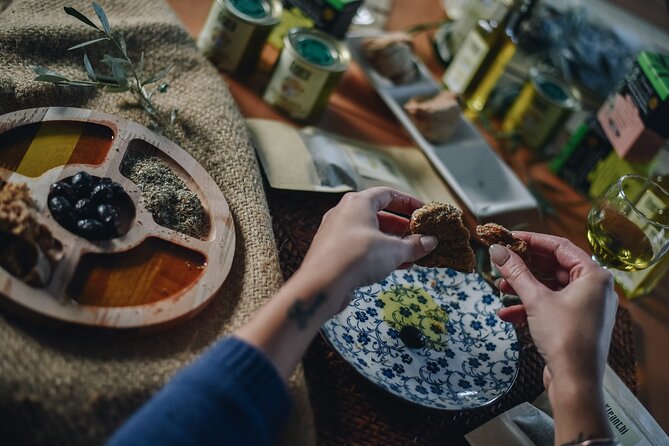
- Expect more than a sip of oil: Tastings include bread, cheeses, tomatoes, fruit, olives, smoked meat, yoghurt, honey, herbs, and sweet preserves.
- Harvest season changes the visit: The mill is active during harvest, while the off-season can feel quiet.
- Easy from Heraklion: The farm is in Skalani, about a short taxi ride from Heraklion, and the tour ends where it begins.
- Good value for families: Children have enjoyed the tasting and hands-on food pairings, while the 75-minute length keeps the visit manageable.
A Cretan olive farm near Heraklion
Kleanthi Family Olive Farm is in Skalani, at 715 00, Greece, a short trip from Heraklion by taxi. That makes it a useful half-day add-on if you are staying in the city or exploring the nearby countryside.
You will not spend the day on a bus or move through a large commercial attraction. This is a compact visit to a family farm, with the olive grove, mill, tasting room, and shop all tied together. The route is easy to understand, and the activity returns to the meeting point at the end.
The listed price is $25.34 per person. I see that as a fair deal because the visit combines a guided walk, a lesson on oil production, and a generous food tasting. You are also paying for something more useful than a standard snack stop: the guide explains how to taste the oil and how Cretan foods are paired with it.
Group discounts are available, and the maximum group size is 40 people. That is large enough for a lively visit, though the exact feel can depend on the number booked that day. If you prefer a quieter farm visit, an off-peak date may reduce the crowd, but it may also mean less activity at the mill.
More Food Tours in Crete
- Crete: Sunset or Morning Quad with Local Products Tasting
★ 4.9 · 1,135 reviews - Crete: Quad Safari, Olive Mill with Tasting & Ghost Village
★ 4.9 · 1,004 reviews - From Chania: Olive Oil, Wine, Cheese & Honey Tasting Tour
★ 4.6 · 490 reviews
Walking among the olive trees
The tour starts with the olive grove. This opening matters because olive oil can seem abstract when it is presented only in a bottle. Out among the trees, you get a sense of the crop, the setting, and the work behind each harvest.
The walk is described as easy, and the grove section is not designed as a long hike. You listen as the guide explains olive farming in Crete and the family’s approach to production. The farm also presents its methods as sustainable, giving you a chance to hear how older growing traditions meet current farming practice.
The guides are one of the strongest parts of the visit. George has been praised for his lively explanations and strong English, while Mary has been described as warm and clear. Yannis and Theodora have also hosted visits. Names can vary by date, but you can expect a personal presentation rather than a recorded audio tour.
I like this part because it puts the food in place. You see the trees first, then learn how the fruit is harvested and handled. That simple order makes the later tasting easier to understand.
The grove can be less compelling outside harvest months. The trees remain, and the history and farming discussion continue, but you should not expect a busy picking operation at every time of year. The farm is upfront about this distinction, and it is worth keeping in mind when planning your visit.
Inside the mill and production area
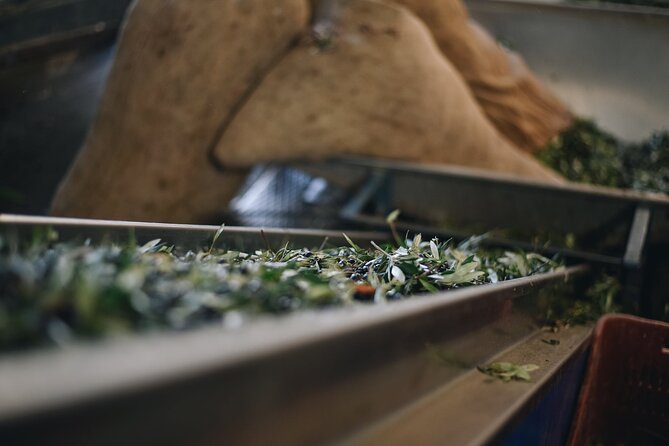
After the grove, the tour moves to the mill and equipment. The guide explains the path from olive to bottle, including the machinery used to turn the harvested fruit into oil. A short video may also help show the parts of the process that are not running during your visit.
This is where the tour earns its educational value. You learn that extra virgin olive oil is not simply pressed in a vague, old-fashioned way. The equipment and handling steps matter, and the guide connects them to the final taste.
During harvest, the mill can be active, giving you a chance to see production in motion. That is likely the most engaging time to visit if you are interested in machinery and the working side of the farm. Outside harvest, the line may not operate, so the guide will explain the process rather than demonstrate every step live.
I would not book this as a factory tour alone. The production area is one part of a broader visit, and the tasting is just as important. If you want a technical lesson on industrial olive oil production, this may feel too short. If you want a clear introduction to how a family farm makes its oil, the 75-minute format works well.
The tasting table is the real payoff
The final tasting is where Kleanthi becomes more than a farm walk. You sit down and sample the farm’s olive oils with Cretan foods chosen to show how the oil behaves with different flavors.
Expect bread, cheeses, tomatoes, olives, fruit, smoked meat, yoghurt, honey, herbs, and sweet fruit preserves. The exact spread may vary, but the emphasis is generous and varied. The tasting has been described as closer to a light lunch than a token sample, which makes the price easier to justify.
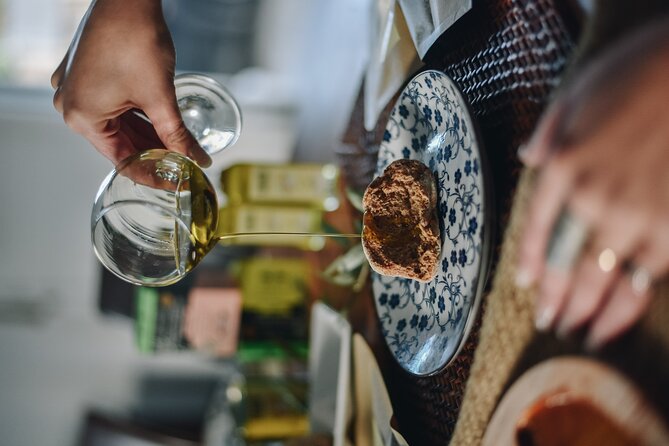
The guide may show you several ways to use the oil. You might taste it with bread first, then compare it with cheese, tomato, herbs, honey, or sweet syrup. This is useful because many people judge olive oil only by pouring it over salad. Here, you can see how a peppery or grassy oil can work with both savory and sweet foods.
I especially like the pairing lesson for families. Children can try familiar foods alongside the oil, while adults get a better sense of what separates one oil from another. The tasting has been a favorite part of the visit for families, and the short schedule helps keep younger children from tiring out.
Do not expect a formal restaurant meal. Think of it as a generous farm tasting with a Cretan table spread. If you arrive hungry, you will likely appreciate the food more, but you should still plan the rest of your day around a snack rather than a full lunch.
More Crete food and drink outings:
- Heraklion: Olive Farm Tour with Tasting of Local Delicacies
★ 4.9 · 411 reviews - Chania: Old Town Highlights Guided Tour with Street Food
★ 4.9 · 407 reviews - From Chania: Wine and Olive Oil Tasting Tour with Snacks
★ 4.8 · 354 reviews - Walking “Food tasting tour” in the town of Chania
★ 5.0 · 297 reviews
A window into family life in Crete
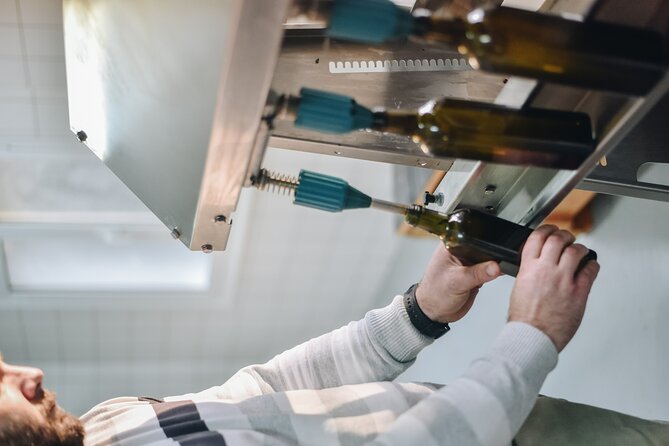
The farm’s appeal is not limited to olive oil. The visit gives you a small look at how food, family, and farming fit together in Crete.
The setting is family-run, and the guides explain the work from tree to bottle. That makes the visit feel personal without requiring a long cultural lecture. You get practical information about growing and production, along with a sense of pride in local food traditions.
The tasting also carries that message. Bread, cheese, honey, herbs, fruit, and olive oil are not presented as separate products. They form part of the everyday Cretan table. You are not simply sampling an export item. You are seeing how the oil is used with other foods.
The hosts are friendly and willing to answer questions about the farm and the wider area. If you are planning nearby sightseeing, you can ask for local suggestions. That informal contact is a useful bonus, especially if you are using the farm as part of a larger Heraklion day.
Still, keep the scale in mind. This is a short family-farm visit, not a full account of Cretan agriculture or regional history. Its strength is focus: one crop, one family operation, and one tasting table.
What the price includes in practical terms
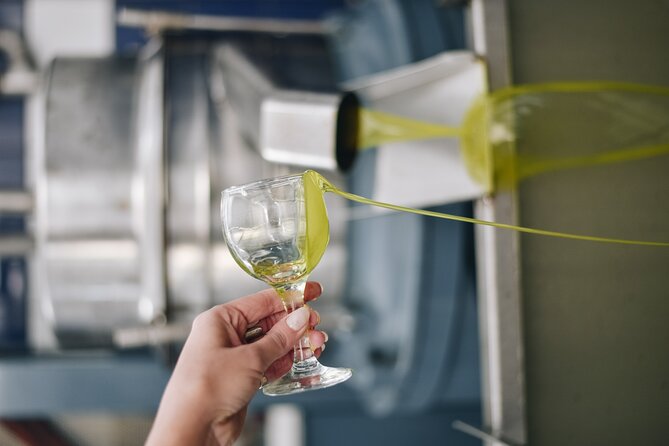
At $25.34, the tour is priced below many longer food excursions, and it offers a good amount in a short time. You receive a guided visit through the grove and mill, an explanation of production, and a sizeable tasting of farm oil and local foods.
The value is strongest if you enjoy food education. You are not just buying a plate of snacks. You are learning how to taste oil, seeing where it comes from, and gaining ideas for using it at home.
It is also a sensible choice for a family or a group because discounts may be available. Children can take part in the tasting, and the activity does not require a full day away from other plans. The maximum capacity is 40 people, so the experience can accommodate a fairly large party.
The value is weaker if you expect a long tour or a fully active mill. The visit lasts about one hour and 15 minutes, and off-season production may be paused. I would book it for the combination of farm, food, and explanation, not for a lengthy behind-the-scenes industrial tour.
The small shop at the end adds a practical touch. You can buy Kleanthi Olive Oil and other products such as honey. There is no pressure to purchase, so you can browse, choose a bottle, or simply finish the visit and leave.
When to visit and what to plan
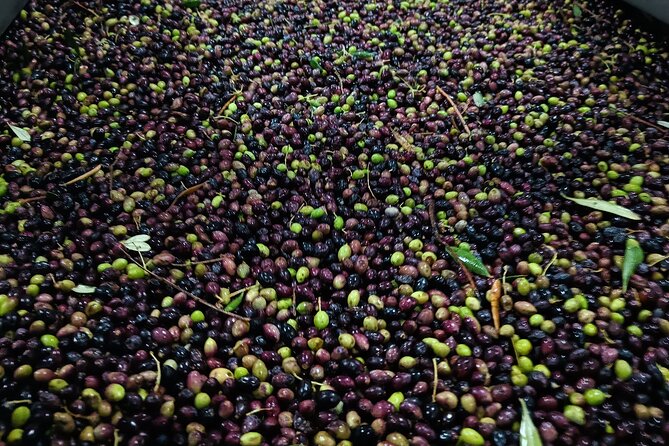
Harvest season is the key timing question. When the olives are being processed, the mill is active and the visit has more movement. You may see more of the process as it happens, rather than relying mainly on explanation and video.
In the off-season, the farm still offers the grove, the story of olive cultivation, and the tasting. The atmosphere may be quiet, and the mill equipment may not be running. That can suit you if you want a calm food stop, but it may disappoint you if you picture a working production floor.
The activity requires good weather. If poor weather forces a cancellation, you will be offered another date or a full refund. You can cancel for a full refund up to 24 hours before the start time, based on local time. Changes or cancellations inside that 24-hour window are not accepted for a refund.
The tour is offered in English. Confirmation arrives at booking, and mobile tickets are accepted. Service animals are allowed, and the farm is near public transportation, though a taxi from Heraklion is specifically noted as an easy option.
Wear shoes suitable for a short walk through an olive grove. The available information does not give a detailed accessibility statement, so if you have mobility needs, contact Kleanthi before booking and ask about the route.
Who will enjoy Kleanthi Olive Farm most
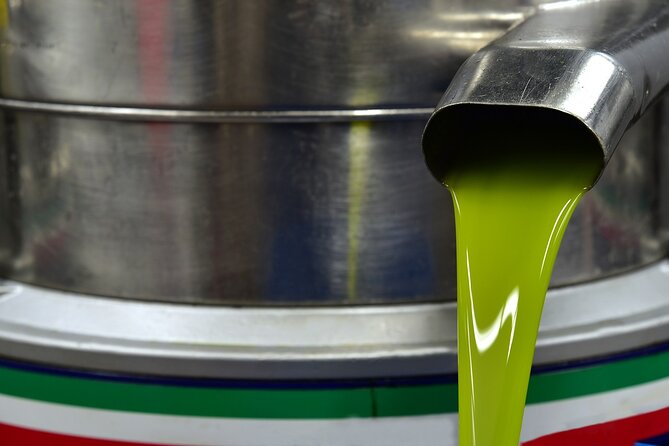
I would recommend this visit to anyone who likes local food and wants a short, useful activity near Heraklion. Olive oil lovers will get the most from the tasting, especially if you enjoy comparing flavors and trying new pairings.
Families are another strong match. The food keeps the visit lively, and the 75-minute schedule is long enough to teach something without turning into a lecture. Children may enjoy tasting oil with bread, fruit, yoghurt, and cheese more than listening to a technical explanation, so the format works well for mixed ages.
It also suits first-time visitors to Crete who want a direct introduction to a food central to the island. You leave with a better idea of how olive oil is made and how local people serve it.
I would be more cautious if you are traveling far out of your way only to see the machinery running. A visit from Plakias, for example, can involve a long drive, so I would combine Kleanthi with other plans rather than make it the sole reason for a major cross-island trip. One visitor did make a two-hour drive from Plakias and found it worthwhile, but your own expectations and timing matter.
Should you book this olive farm tour?
Book Kleanthi if you want a friendly, compact introduction to Cretan olive oil with a generous tasting at the end. The best parts are the personal guides, the walk among the trees, and the chance to try oil with far more than bread alone.
Try to visit during harvest if seeing live production is important. If you are going in the off-season, book it for the food, family atmosphere, and clear explanation, while accepting that the mill may be quiet.
At $25.34, the experience offers strong value for a short stop near Heraklion. I would add it to a Crete itinerary, especially for families, food lovers, and anyone who wants to take home a bottle with a better understanding of what is inside it.
FAQ
Where is Kleanthi Olive Farm?
Kleanthi Olive Farm is in Skalani, Crete, at Skalani 715 00, Greece.
How long does the tour last?
The activity lasts approximately one hour and 15 minutes.
How much does the experience cost?
The listed price is $25.34 per person. Group discounts are available.
What language is the tour offered in?
The tour is offered in English.
What happens during the visit?
You walk through the olive groves, learn about olive farming, see the mill equipment and production process, watch a short video, and finish with an olive oil and local food tasting.
What foods are included in the tasting?
The tasting can include bread, cheeses, tomatoes, olives, fruit, smoked meat, yoghurt, honey, herbs, and sweet preserves. The selection may vary.
Is the mill operating during every visit?
No. During harvest, the production line is active. Outside harvest months, the mill may not be operating, so the visit focuses more on olive cultivation, production history, and tasting.
Can I cancel for a refund?
Yes. You can cancel at least 24 hours before the local start time for a full refund. Poor weather cancellations offer a different date or a full refund.
More Farms in Crete
- Crete: Road-trip to Lasithi Plateau & Olive Mill Farm
★ 4.4 · 420 reviews - Crete: Knossos, Lasithi, Lasinthos and Olive Farm Combo Tour
★ 4.5 · 351 reviews - Moires: Cooking Class and Olive Oil Tasting at a Family Farm
★ 5.0 · 93 reviews - Mykonos: Farm, Ano Mera Village, and Beaches Guided Tour
★ 4.4 · 1,283 reviews
Recently reviewed around Crete
- Troy Dinner-Show★ 5.0 · 103 reviews
- Heraklion : Spinalonga, Agios Nikolaos , Elounda Boat Tour & BBQ★ 3.5 · 32 reviews
- Quad Safari Off-Road Evening Tour★ 5.0 · 69 reviews
- Knossos & Lasithi Plateau: Zeus Cave,Villages, Olive Oil Tour★ 5.0 · 328 reviews
- Knossos & lasithi plateau villages,Zeus’s cave,&olive oil Mill★ 5.0 · 90 reviews
- Sailing trip to the Top Coasts of Crete, Daily/Multi-day★ 5.0 · 221 reviews
- Cretan Wines & Olive oil tour – The treasures of Crete★ 5.0 · 147 reviews
- PRIVATE-Knossos Palace-Zeus Cave-Olive Oil Tasting-Old Villages★ 5.0 · 81 reviews
Food & Drink, compared.


Small Group Greek Traditional Food Tour in Athens 20+ Tastings
Read our review →
Santorini Wine Stories: Sunset Tour with Tasting & Dinner
Read our review →
Food Market Visit and Cooking Class with Wine
Read our review →
Browse the lists this tour appears in