
Reviewed · OLIVE OIL TASTINGS
Olive Oil Tasting Tour
The most interesting part of this Cretan experience is the close look at olive oil production inside a working mill. At Koronekes Olive Mill, you begin among the trees, then follow the process machine by machine before sitting down to taste the finished oils.
I like the private format, since your group can ask questions without waiting for a large tour to move along. I also like the tasting lineup: three extra virgin olive oils, two flavored oils, sweet vinegar, and petimezi, a grape syrup with a distinctly Cretan place on the table.
The main consideration is the short duration. At about one hour to one hour and 20 minutes, this is a focused introduction rather than a full day in the olive-growing countryside. The meeting point also has no street name, so take care when locating Koronekes Olive Mill in Epano Archanes.
In This Review
- Key points to know before booking
- Starting among the olive trees at Koronekes
- Seeing first cold pressing inside the mill
- Learning what extra virgin olive oil should taste like
- Trying flavored oils, vinegar, and petimezi
- Why the private format matters
- How much time to set aside
- Judging the $19.36 price
- What the strongest feedback tells you
- Who should book this olive oil tour
- Booking and cancellation details to remember
- FAQ
- Where does the olive oil tour begin?
- Where does the tour end?
- How long does the experience last?
- What language is the tour offered in?
- Is this a private tour?
- What will I taste?
- Can I cancel for a full refund?
- Should you book Koronekes Olive Mill?
Key points to know before booking
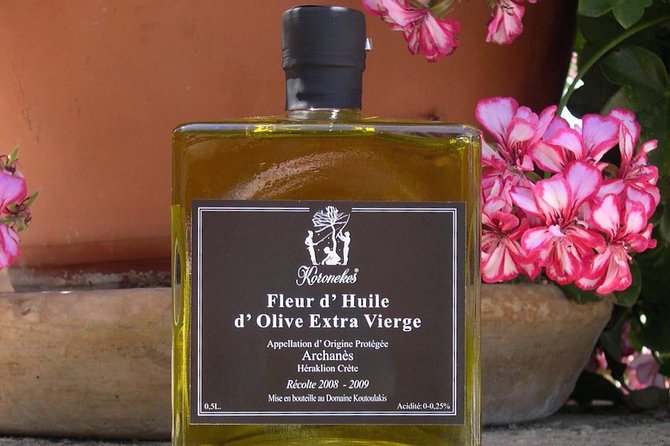
- Three extra virgin oils are tasted: You can compare different qualities and learn what separates good extra virgin olive oil from ordinary oil.
- The production method is shown step by step: The hosts explain first cold pressing and modern cold extraction, including the machinery used.
- The tour begins in an olive grove: The opening talk covers organic olive tree farming before you enter the mill.
- The tasting goes beyond olive oil: You also sample flavored oils, sweet vinegar, and petimezi, a traditional grape syrup.
- Your group remains private: Only your own party participates, making it easier to ask detailed questions.
- The price is modest: At $19.36 per person, the visit offers a useful food lesson and a tasting without taking half a day.
Starting among the olive trees at Koronekes
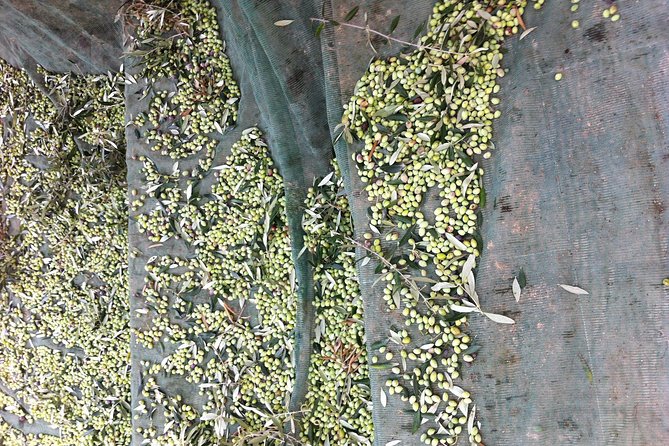
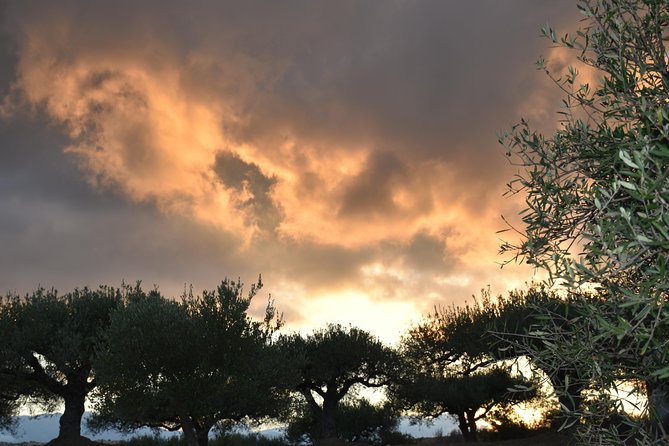
The visit begins in the courtyard of Koronekes Olive Mill, surrounded by olive trees. This is a good choice for an opening because it places the product in its setting before you hear about machines, pressing, and extraction.
You’ll learn about organic olive tree farming here. The information matters because oil quality begins well before the olives reach the mill. Growing methods, the condition of the fruit, and the way olives are handled all affect the final oil.
The setting also gives the tour a pleasant sense of place. You are not beginning in a generic tasting room with no connection to the source. You are in Epanos Archanes, in the olive-growing area south of Heraklion, with the trees close at hand.
I would allow a little time around the start of the visit rather than arriving at the last second. The official meeting point is Koronekes Olive Mill, Epano Archanes 701 00, Greece. No street name is provided, so check the location carefully before setting out.
More Food Tours in Crete
- Crete: Sunset or Morning Quad with Local Products Tasting
★ 4.9 · 1,135 reviews - Crete: Quad Safari, Olive Mill with Tasting & Ghost Village
★ 4.9 · 1,004 reviews - From Chania: Olive Oil, Wine, Cheese & Honey Tasting Tour
★ 4.6 · 490 reviews
Seeing first cold pressing inside the mill
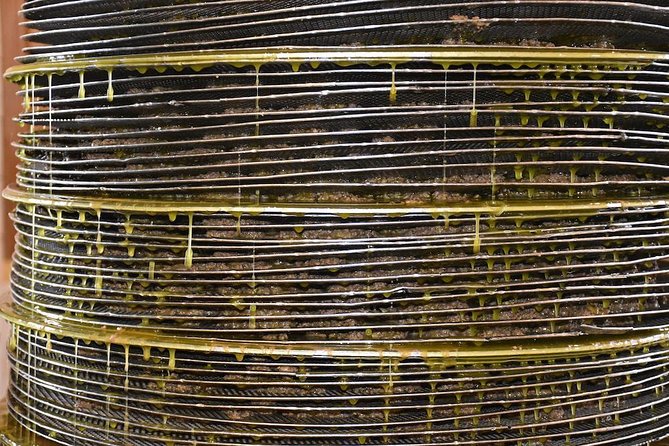
After the courtyard introduction, the tour moves into the olive mill. The guide explains the first cold pressed method of producing extra virgin olive oil and shows you each machine involved.
That machine-by-machine approach is one of the strongest parts of the experience. You are not simply told that olives become oil. You get a clearer sense of the physical work behind the bottle, from the olives entering the mill to the oil being produced.
The hosts also explain modern cold extraction, which uses a centrifuge. Comparing the two methods gives you a useful framework for thinking about labels and production choices. One method is presented as more labor intensive, while the other relies on faster commercial equipment.
The contrast is especially useful if you buy olive oil at home and have never had a clear explanation of how it is made. Terms such as first cold pressed, extra virgin, and cold extraction can sound similar when you see them on bottles. Here, they are connected to actual machinery and production steps.
The tour does not appear to be built around a long technical lecture. Its short length keeps the explanation manageable. Still, you should expect an educational visit rather than a simple tasting with a few comments on the side.
Learning what extra virgin olive oil should taste like
The tasting includes three qualities of extra virgin olive oil. This is more useful than sampling one favorite product because comparison helps you notice differences in aroma, flavor, and finish.
You’ll also be shown how to taste olive oil and identify extra virgin olive oil. That makes the tasting practical. You are not only deciding which oil you prefer. You are learning how to pay attention to what is in the glass or on the tasting plate.
The hosts place strong emphasis on helping visitors understand what high-quality extra virgin olive oil should taste like. One of the most helpful outcomes is leaving with a better idea of what to look for when buying oil later.
This is a good activity for people who enjoy food but do not consider themselves experts. The explanations are given in English, and the hosts have been praised for clear English and a friendly manner. Since the tour is private, you can ask for a simpler explanation or spend more time on a point that interests you.
The tasting may also appeal to serious cooks. Three oils let you compare products rather than treating olive oil as one uniform ingredient. The experience does not promise a formal professional certification, but it gives you a useful introduction to sensory tasting.
Trying flavored oils, vinegar, and petimezi
The tasting continues with two flavored oils, a sweet vinegar, and petimezi. Petimezi is a grape syrup and an appealing addition because it broadens the visit beyond olive oil alone.
The flavored oils are described as blended flavors rather than infused flavors. That distinction may interest you if you are curious about how flavor is added or combined with the base oil. The tasting gives you a chance to compare these products with the plain extra virgin oils.
The sweet vinegar adds another contrast, especially after tasting oils with different qualities. Then petimezi brings a sweet finish. Together, the tasting selection feels generous for a visit of about an hour.
I would treat the tasting as part of the lesson, not just a chance to find a souvenir bottle. Pay attention to how each product differs. The hosts encourage questions, and that is worth using. Ask about the qualities of oil, the production method, and how the products are meant to be understood.
The setting also helps. The courtyard and mill connect the flavors to the place where the main product is made. That is more satisfying than a tasting detached from the olive trees and equipment.
More Olive Oil Tastings in Crete
- Knossos-Zeus Cave -Old Traditional Villages-Olive Oil Factory
★ 5.0 · 694 reviews - Zeus Cave, Lassithi Plateau, Olive Oil Factory, Kritza, Pottery
★ 5.0 · 362 reviews - From Chania: Wine and Olive Oil Tasting Tour with Snacks
★ 4.8 · 354 reviews - The Terra Creta Olive Oil Experience Tour
★ 4.7 · 344 reviews
Why the private format matters
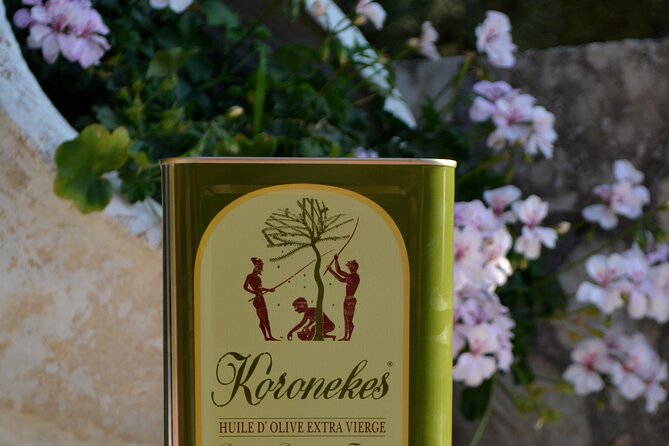
This is a private activity, so only your group participates. That changes the rhythm of the visit in a useful way. You do not have to compete with a large crowd for a question, and the guide can respond to your level of interest.
A private tour is particularly helpful here because olive oil tasting can be unfamiliar. Some people may want a basic explanation of extra virgin oil, while others may ask about pressing, centrifuges, or organic farming. The format makes room for both kinds of visitors.
It is also a sensible choice for couples, families, or friends who prefer a quieter visit. The information provided says that most participants can take part, and service animals are allowed.
The private setup does not mean you should expect an expansive, custom-built itinerary. The visit still follows a clear pattern: courtyard, mill, explanation, and tasting. The personalization comes mainly through the group size and chance to ask questions.
How much time to set aside
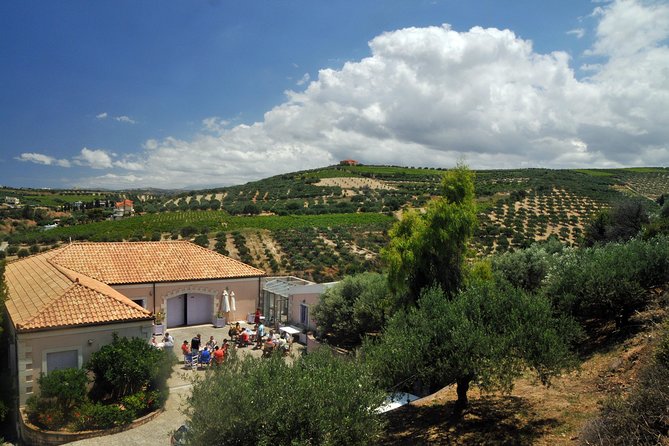
The stated duration is about one hour to one hour and 20 minutes. The mill visit itself is listed as one hour, so you should plan for a compact stop rather than a long excursion.
That timing works well during a driving day through the olive and wine-growing area south of Heraklion. It can fit before lunch, after another local stop, or between larger sightseeing plans.
The short length is also the main limitation. If you want a slow rural outing with extensive time among the trees, this may feel brief. There is no additional countryside walk, meal, or winery visit included in the supplied details.
I see the duration as a strength for many schedules. You get a clear introduction to production and a substantial tasting without giving up most of your day. Just avoid treating it as a full tour of the wider region.
Several visit times are available, which helps if your day in Crete has fixed plans. Since the tour is offered in English, you should be comfortable receiving the explanation in that language.
Judging the $19.36 price
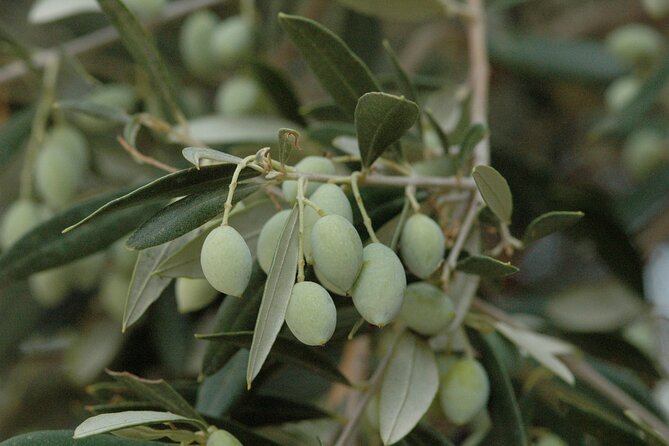
At $19.36 per person, the price is low for a private food experience. You receive an explanation of organic farming, a tour of the mill and its machines, a comparison of production methods, and seven tasting items: three extra virgin oils, two flavored oils, sweet vinegar, and petimezi.
The value is strongest if you are interested in understanding what you taste. A quick sample at a shop might cost less, but it would not give you the same explanation of how the oil is produced.
The price is less compelling if you only want a scenic stop or a free tasting. The main benefit is the guided lesson. You are paying for context as much as for the products in front of you.
I would also consider the private format when judging the cost. A private visit at this price is unusual in some destinations. Here, it gives you a personal setting without the price of a large premium food tour.
There is no indication that transportation to the mill is included. You need to reach Koronekes Olive Mill in Epano Archanes yourself. That is important when comparing the cost with tours that include pickup, transfers, or a wider itinerary.
What the strongest feedback tells you
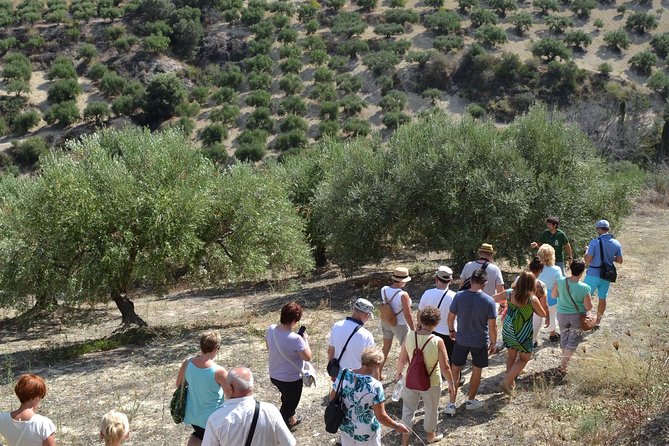
The experience has a 5 out of 5 rating from 195 ratings, with 100 percent of participants recommending it. The praise centers on a few clear themes: the friendly hosts, strong explanations, good English, pleasant setting, and the chance to learn how to recognize quality oil.
That pattern tells me this is not mainly a shopping stop. The educational side is central. People who want to understand olive oil production will get more from it than people who simply want a bottle to take home.
The owners are described as passionate about making oil, including the more labor intensive work of hand sorting olives and pressing. That detail gives the visit a human element. You are hearing about choices made by a small producer, not only about an industrial process.
The hosts also welcome questions. Use that opportunity. If you have ever wondered how oil quality is judged or how first cold pressing differs from cold extraction, this is the place to ask.
The warm atmosphere is part of the appeal. The setting has been praised as beautiful, and even the mill’s friendly dog has become part of the welcome. That small detail suggests a relaxed family-run feel, although the supplied information does not provide the owners’ names.
Who should book this olive oil tour
I would recommend this experience to anyone with an interest in Greek food, local agriculture, or cooking. It is also a good fit for people driving through Epanos Archanes who want one meaningful stop rather than another quick photo break.
Families may appreciate the short length and private setting. Couples can ask questions at their own pace. Food-focused visitors will value the comparison of three extra virgin oils and the added tasting of flavored oils, vinegar, and petimezi.
It is less suitable if you want a full-day excursion, a large historical tour, or transportation from your accommodation. Nothing in the supplied details indicates hotel pickup, a meal, or activities beyond the mill visit and tasting.
You should also think about your route. The tour ends back at the meeting point, so you need to arrange your own onward travel. That makes it easiest for visitors with a car or with a clear plan for reaching the mill.
Booking and cancellation details to remember
You receive confirmation when you book, and the activity uses a mobile ticket. Free cancellation is available if you cancel at least 24 hours before the local start time.
If you cancel less than 24 hours ahead, you will not receive a refund. Changes made within that same 24-hour window are not accepted, so check your Crete schedule before booking.
The experience is commonly booked about 19 days in advance. That does not mean you must reserve exactly that early, but it is a useful sign that adding it to your plans ahead of time is sensible, especially if you need a particular time.
FAQ
Where does the olive oil tour begin?
The tour begins at Koronekes Olive Mill, Epano Archanes 701 00, Greece. No street name is provided for the meeting point.
Where does the tour end?
The activity ends back at the Koronekes Olive Mill meeting point.
How long does the experience last?
The visit lasts approximately one hour to one hour and 20 minutes. The mill portion is listed as one hour.
What language is the tour offered in?
The tour is offered in English.
Is this a private tour?
Yes. Only your group participates in the activity.
What will I taste?
You will taste three qualities of extra virgin olive oil, two flavored oils, a sweet vinegar, and petimezi, which is a grape syrup.
Can I cancel for a full refund?
Yes. You can cancel for a full refund up to 24 hours before the experience start time. Cancellations or changes made less than 24 hours in advance are not refunded or accepted.
Should you book Koronekes Olive Mill?
Book it if you want a short, personal introduction to Cretan olive oil with real production details and a broad tasting. The combination of olive trees, working machinery, three extra virgin oils, and petimezi gives you more than a simple sample session.
Skip it if you need transportation, a meal, or a longer countryside program. For $19.36 per person, though, this is an easy value choice for a self-guided day around Epanos Archanes, especially if you enjoy learning exactly how a local food reaches your table.
Recently reviewed around Crete
- Troy Dinner-Show★ 5.0 · 103 reviews
- Heraklion : Spinalonga, Agios Nikolaos , Elounda Boat Tour & BBQ★ 3.5 · 32 reviews
- Quad Safari Off-Road Evening Tour★ 5.0 · 69 reviews
- Knossos & Lasithi Plateau: Zeus Cave,Villages, Olive Oil Tour★ 5.0 · 328 reviews
- Knossos & lasithi plateau villages,Zeus’s cave,&olive oil Mill★ 5.0 · 90 reviews
- Sailing trip to the Top Coasts of Crete, Daily/Multi-day★ 5.0 · 221 reviews
- Cretan Wines & Olive oil tour – The treasures of Crete★ 5.0 · 147 reviews
- PRIVATE-Knossos Palace-Zeus Cave-Olive Oil Tasting-Old Villages★ 5.0 · 81 reviews
Olive Oil Tastings, compared.

Knossos-Zeus Cave -Old Traditional Villages-Olive Oil Factory
Read our review →
The Governor’s Olive Mill Tour with Olive Oil Tasting
Read our review →
Zeus Cave, Lassithi Plateau, Olive Oil Factory, Kritza, Pottery
Read our review →
Knossos & Lasithi Plateau: Zeus Cave,Villages, Olive Oil Tour
Read our review →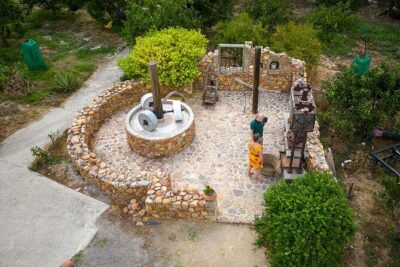
Browse the lists this tour appears in