
Reviewed · OLIVE OIL TASTINGS
Rethymno: Olive Oil Tasting with Cretan Food Pairing
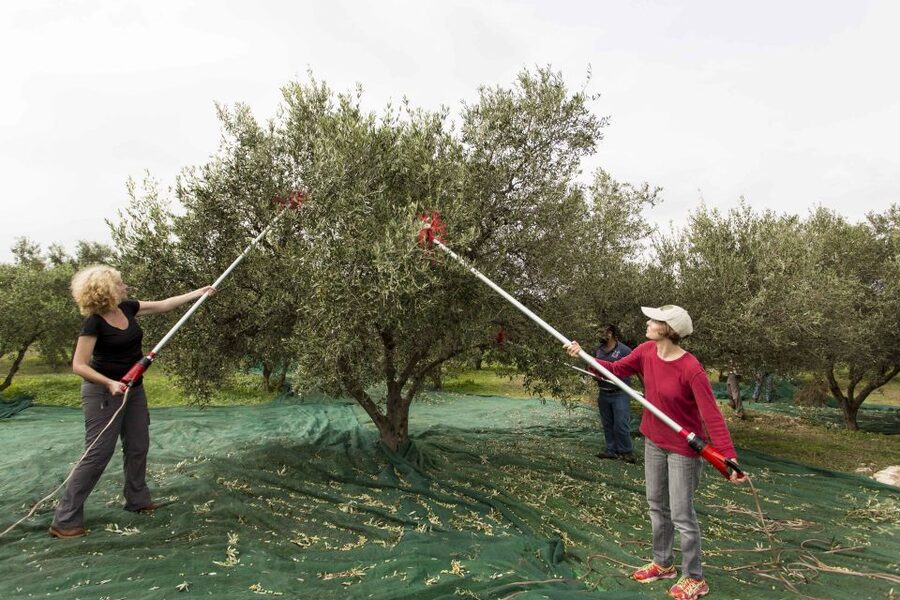
The best part of this Rethymno experience happens far from a tasting room. You sit beneath olive trees in a 2,000-year-old grove, learning how Cretans harvest, taste, cook, and preserve their most important food. Aspassia leads the session with a warm, informal style, and the quiet setting feels worlds away from the town traffic.
I like two things especially. First, the four olive oils are tasted with food, so you learn how flavor changes from one pairing to another. Second, the small group, limited to eight people, leaves room for questions and conversation. The main caution is practical: mosquitoes can be fierce, and finding the meeting point may take some care.
In This Review
- Key points to know
- Why an olive grove is the right tasting room
- Meeting Aspassia and leaving Rethymno
- Walking through the ancient trees
- Learning how to taste olive oil
- Four courses with Cretan products
- What you will take home from the lesson
- The setting, weather, and small practical details
- Is $107 a fair price?
- Who will enjoy this experience most?
- Should you book the Rethymno olive oil tasting?
- FAQ
- How long does the olive oil tasting last?
- Where is the meeting point?
- Is transportation included?
- How many olive oils will I taste?
- What food is included?
- Which languages are available?
- Is the experience wheelchair accessible?
- Can I cancel or pay later?
Key points to know
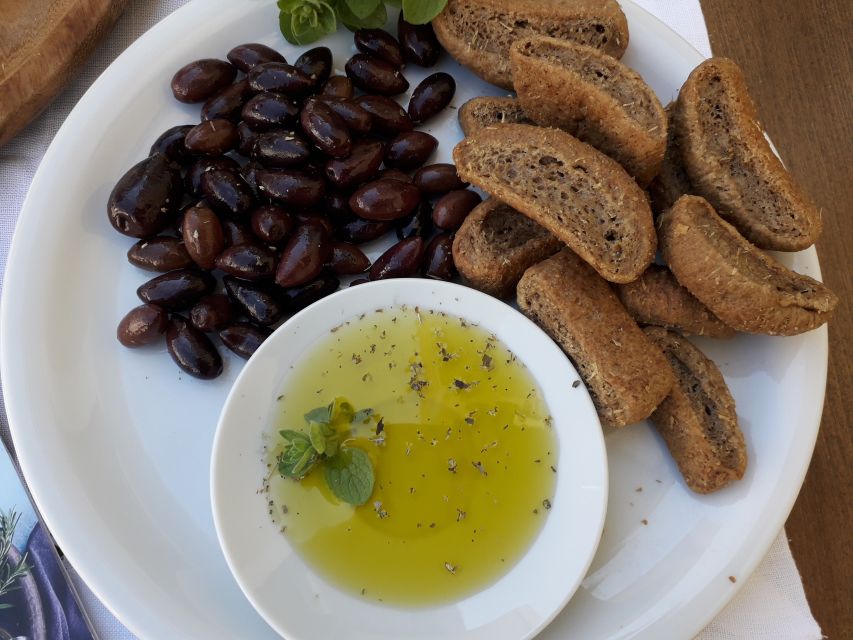
- Four oils, four-course pairing: Taste different olive oils on their own, then see how each works with Cretan food.
- A 2,000-year-old olive grove: Walk among ancient trees in a peaceful family grove, with the Gethsemane Garden and surrounding countryside nearby.
- Aspassia’s personal guidance: Learn useful rules for buying, storing, frying, and cooking with olive oil.
- Small and relaxed: The group is capped at eight, making this more personal than a large food tour.
- Bring mosquito repellent: Several sessions have had heavy mosquito activity, even in October.
- Plan your ride: Meet in front of Valide Cooking Activities in Rethymno, then travel to the grove and return to the same point.
Why an olive grove is the right tasting room
Crete is not simply a place where olive oil appears on restaurant tables. Olive trees have shaped the island’s food, trade, customs, and daily life for centuries. This tour gives you a useful look at that connection while putting you among the trees themselves.
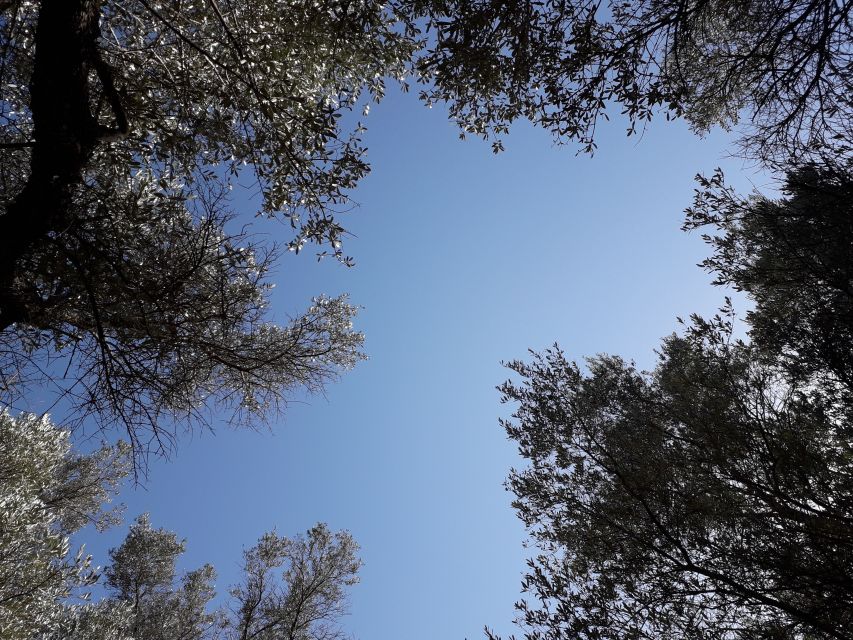
The grove is described as a monumental site with trees dating back around 2,000 years. You are not just sampling oil beside a shop counter. You are walking through the setting where olives grow, surrounded by the dry Cretan countryside and the quiet rhythm of rural life.
The walk also touches on the holy Gethsemane Garden. The emphasis is on stories, myths, aromas, and the role of olive oil in Cretan civilization. You should expect cultural context rather than a formal archaeological tour. That balance works well for a three-hour food experience.
There may be sheep, goats, and even friendly kittens around the grove. Those details are not the focus, but they add to the feeling that you have stepped into a working family setting rather than a polished attraction.
More Food Tours in Crete
- Crete: Sunset or Morning Quad with Local Products Tasting
★ 4.9 · 1,135 reviews - Crete: Quad Safari, Olive Mill with Tasting & Ghost Village
★ 4.9 · 1,004 reviews - From Chania: Olive Oil, Wine, Cheese & Honey Tasting Tour
★ 4.6 · 490 reviews
Meeting Aspassia and leaving Rethymno
You begin in front of the Valide Cooking Activities Building. Aspassia meets you there and takes you directly to the grove. The activity ends back at the same meeting point, which keeps the transport plan fairly simple.
The meeting location deserves attention. It can be difficult to spot, so save the Google Maps link before leaving your hotel and allow extra time. A free parking area opposite the Valide building, by the football stadium, is available for short-term parking if you arrive by car.
You can also arrange your own taxi from Rethymno. One couple based in Chania used taxis to reach the starting point and return afterward, though having a car is more straightforward. The listed price is $107 per person, and requested transfer is not included, so budget for your ride separately.
Once everyone is together, the drive to the grove begins. The group limit of eight matters here. You are not being moved through a large busload of people, and the guide can respond to individual questions about olive oil, food, or Cretan traditions.
Walking through the ancient trees
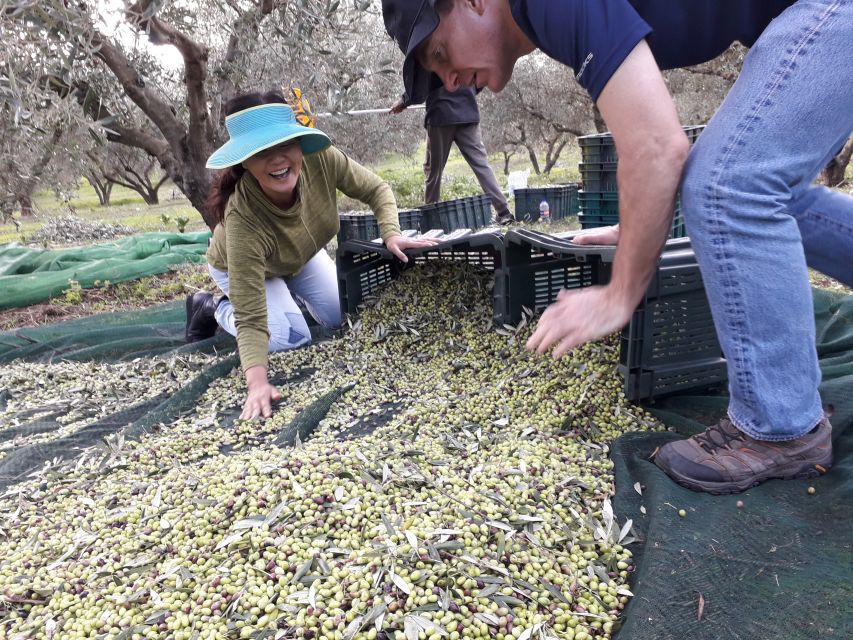
At the grove, the first part is a walk and introduction. You learn how olive trees grow, how olives are harvested, and what happens during extraction. You also hear about the long role of olive oil in Crete, from food and farming to culture and local identity.
The setting does much of the work. Sitting under the shade of olive trees makes the subject feel immediate. You can look at the trunks, branches, and fruit while discussing the harvest rather than trying to picture the process from a city restaurant.
The information about production is useful, but keep your expectations measured. You will hear about harvest and extraction, yet this is not a full working mill visit. You do not appear to watch olives being pressed on site. If your main goal is to see industrial machinery and every step of production, you may want to add a separate olive mill tour.
For most people, the broader introduction is enough. You leave with a better sense of why origin, freshness, extraction, and handling affect the bottle you buy. That is more practical than memorizing technical terms.
Learning how to taste olive oil
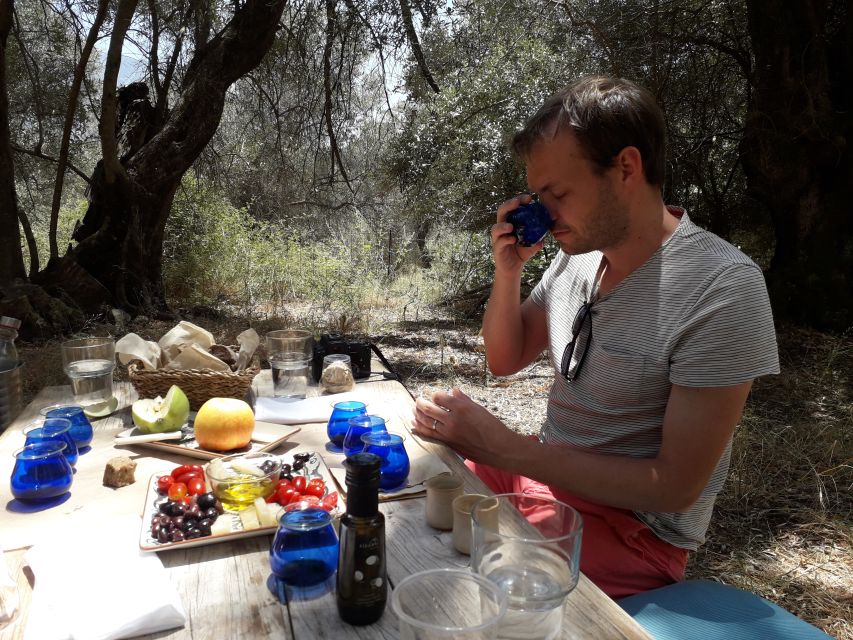
The tasting table is set in the shade. Four different olive oils are served, and the guide explains how to assess them by smell and taste. You learn to notice flavor profiles rather than treating every extra-virgin oil as interchangeable.
This is where the session becomes more than a pleasant snack. You are encouraged to taste the oils alone and then with food. The contrast can be striking. An oil that tastes excellent by itself may not suit a particular dish, while another can make the same food work much better.
The pairing also helps you understand bitterness, fruitiness, peppery notes, and other qualities in a clear, memorable way. You do not need a trained palate. The format lets you compare one sample with another, then connect the flavor to something familiar on your plate.
Aspassia’s approach is informal and friendly. You can ask questions without feeling as if you are taking an exam. By the end, you should have a clearer idea of what you like, not just a list of rules about what you are supposed to like.
More Olive Oil Tastings in Crete
- Knossos-Zeus Cave -Old Traditional Villages-Olive Oil Factory
★ 5.0 · 694 reviews - Zeus Cave, Lassithi Plateau, Olive Oil Factory, Kritza, Pottery
★ 5.0 · 362 reviews - From Chania: Wine and Olive Oil Tasting Tour with Snacks
★ 4.8 · 354 reviews - The Terra Creta Olive Oil Experience Tour
★ 4.7 · 344 reviews
Four courses with Cretan products
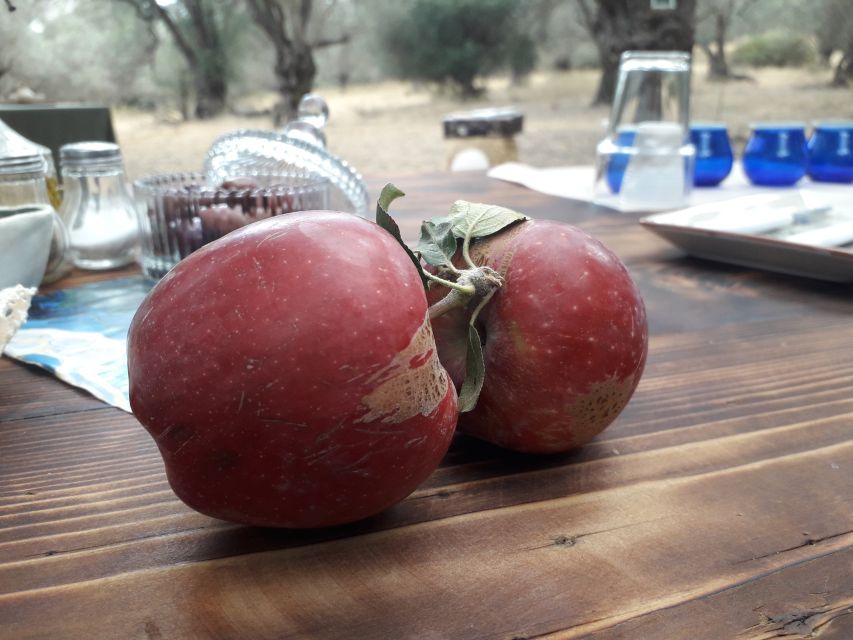
The food pairing is the heart of the afternoon or evening. A four-course degustation menu is served with different olive oils, along with water, soft drinks, and local spirits.
The exact dishes are not specified, so do not book expecting a named menu. The important point is the method: each course gives you another chance to compare the oils and see how they behave with local products. Vegetarian options can be provided, as shown by the experience of one family who requested them.
This meal can be especially valuable if you are curious about Cretan food but do not want a standard restaurant dinner. You are tasting ingredients while learning why olive oil matters to the dish. It turns a meal into a practical lesson, but it still leaves room to relax beneath the trees.
The local spirits are included, though the activity is not presented as a spirits tasting. If you want a full meal with wine pairings or a broad survey of Cretan drinks, choose a different food tour. Here, olive oil remains the star.
What you will take home from the lesson
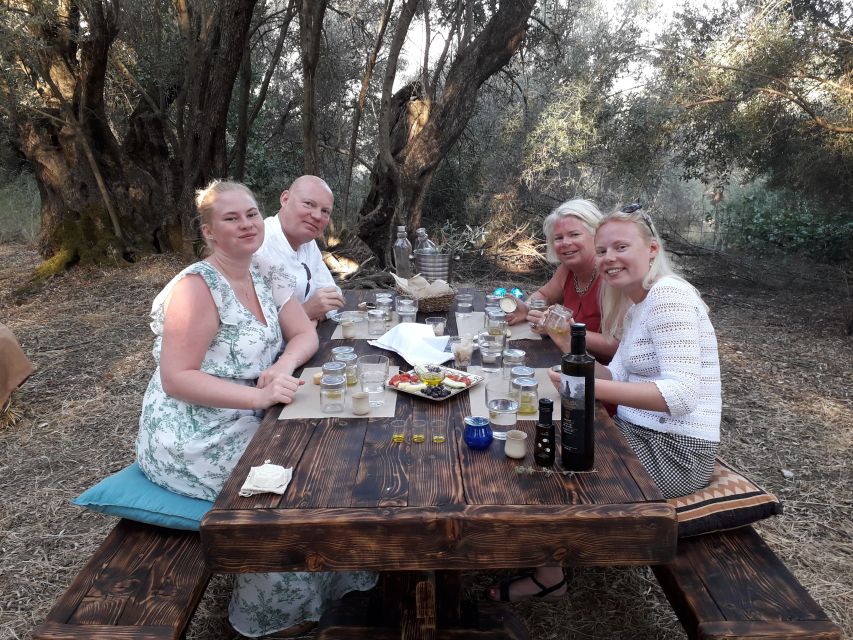
The most useful part of the talk is its everyday advice. You learn how to choose olive oil, how to preserve it, and how to use it in cooking and frying. That information can change the way you shop once you return home.
You also get a better idea of how labels and quality relate to the oil in the bottle. The point is not simply to declare one sample best. It is to help you decide which oil suits your taste and how to keep it in good condition.
The production discussion covers harvesting and extraction, but it does not replace a technical class. One participant felt the explanation of the actual extraction method was limited and had expected all the oils to come from the family’s own groves. That is a fair consideration. The session is strongest as a guided tasting with cultural background, not as a detailed farm-to-bottle inspection.
The setting, weather, and small practical details
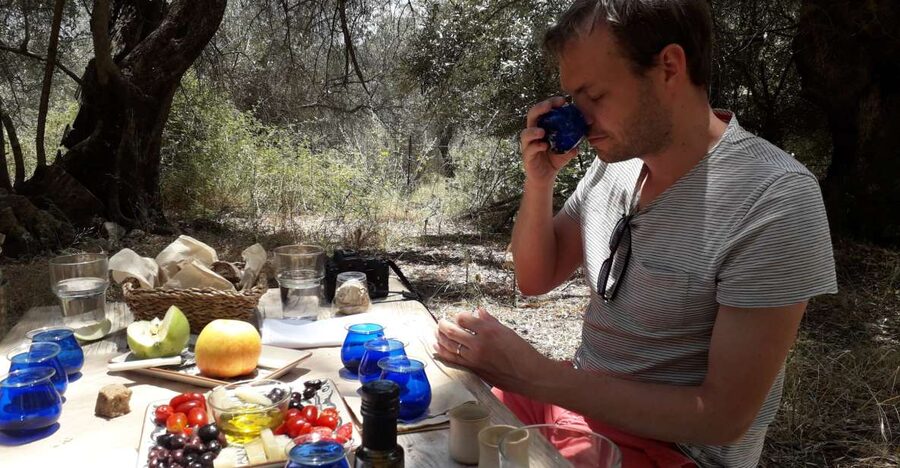
You spend much of the tasting outdoors, so comfort depends on the weather. Wear comfortable shoes for walking among the trees, bring a sun hat, and pack a jacket for a cooler evening.
Mosquito repellent is the most important extra item. Heavy mosquito activity has been reported even in mid-October, and bites can distract from an otherwise calm meal. Apply repellent before leaving Rethymno and bring more with you if you have it.
The grove is peaceful, but it is not a climate-controlled dining room. You may encounter insects, uneven ground, animals, and changing temperatures. For many people, those details are part of the rural setting. If you prefer a polished indoor tasting space, this may feel too rustic.
The activity is wheelchair accessible, but the experience takes place in an olive grove. If you use a wheelchair, confirm the exact ground conditions and access arrangements before booking, especially if the weather has made the paths uneven.
Is $107 a fair price?
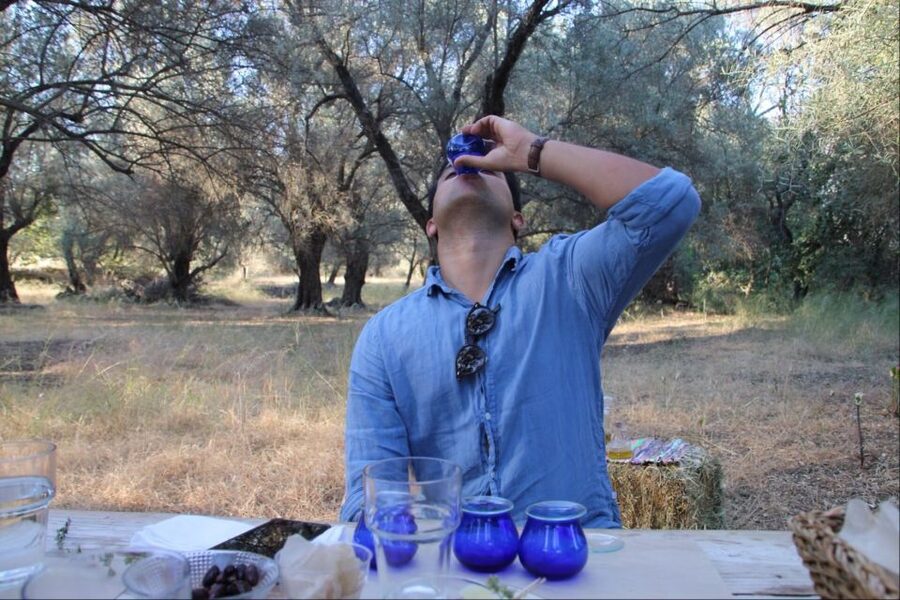
At $107 per person, this is not the cheapest way to eat in Crete. You are paying for a three-hour guided activity, transport from the meeting point to the grove and back, four olive oils, a four-course food pairing, drinks, and personal instruction in a small group.
The value depends on what you want from your meal. If you only want to taste olive oil, you can do that for less. If you want a quiet countryside setting, a meal, cultural background, and skills you can use at home, the price is easier to justify.
The group size improves the value. With no more than eight participants, you have a better chance to speak directly with Aspassia and ask about a flavor, cooking method, or bottle label. That kind of attention is harder to get on a large bus tour.
The experience also fills a useful gap in a Crete itinerary. Many visitors see beaches, ruins, and old towns. This gives you a closer look at farming and food culture, without requiring a full day away from Rethymno.
Who will enjoy this experience most?
I would choose this for food-focused visitors, couples, families, and small groups who want a calm change from town sightseeing. It suits anyone who likes learning through tasting rather than listening to a long lecture.
It is also a good match for people who plan to buy olive oil in Crete. The advice on choosing and storing oil can help you avoid treating a decorative bottle as the same thing as a useful kitchen staple.
Families should note that the tasting includes local spirits, but the main activity is food and education. Children may enjoy the grove, animals, and food pairings, though the session is built around tasting olive oil and discussing its qualities.
I would think twice if you dislike outdoor dining, are very sensitive to mosquitoes, or want a detailed tour of olive pressing machinery. You should also sort out the meeting point and transport before the day begins.
The tour is offered in English, French, and Greek. Free cancellation is available up to 24 hours before the activity, and you can reserve now and pay later, which helps if your Crete plans are still shifting.
Should you book the Rethymno olive oil tasting?
Book it if you want more than a quick sample at a shop. The ancient grove, small group, friendly guidance from Aspassia, and food pairings create a personal look at one of Crete’s defining foods.
I especially recommend it for a first visit to Crete, since the lesson connects the island’s countryside, cooking, and long olive oil tradition in one outing. Bring insect repellent, save the meeting map, and arrange your transport. With those details handled, this should be a relaxed and memorable three hours.
Skip it only if your priority is a working mill demonstration or a tasting made solely from oil produced on that farm. For a cultural food experience with a proper meal in a beautiful outdoor setting, $107 is a reasonable spend.
FAQ
How long does the olive oil tasting last?
The activity lasts three hours. Starting times vary, so check availability when booking.
Where is the meeting point?
Meet your guide in front of the Valide Cooking Activities Building in Rethymno. The group then travels directly to the olive grove and returns to the same meeting point.
Is transportation included?
Transport from the meeting point to the olive grove and back is part of the activity. A requested transfer to or from another location is not included.
How many olive oils will I taste?
You will taste four different olive oils. The tasting includes samples on their own and food pairings with different oils.
What food is included?
The activity includes a four-course degustation menu paired with different olive oils. Water, soft drinks, and local spirits are also included.
Which languages are available?
The live guide is available in English, French, and Greek.
Is the experience wheelchair accessible?
The activity is listed as wheelchair accessible. Since part of it takes place in an olive grove, confirm the specific access conditions when booking.
Can I cancel or pay later?
You can cancel up to 24 hours in advance for a full refund. Reserve now and pay later is also available.
More Food in Crete
- Chania: Old Town Highlights Guided Tour with Street Food
★ 4.9 · 407 reviews - Walking “Food tasting tour” in the town of Chania
★ 5.0 · 297 reviews - Crete: Full-Day Cretan Wines, Olive Oil, Raki and Food Tour
★ 5.0 · 264 reviews - The Delicious Chania Street Food Tour
★ 5.0 · 138 reviews
Recently reviewed around Crete
- Troy Dinner-Show★ 5.0 · 103 reviews
- Heraklion : Spinalonga, Agios Nikolaos , Elounda Boat Tour & BBQ★ 3.5 · 32 reviews
- Quad Safari Off-Road Evening Tour★ 5.0 · 69 reviews
- Knossos & Lasithi Plateau: Zeus Cave,Villages, Olive Oil Tour★ 5.0 · 328 reviews
- Knossos & lasithi plateau villages,Zeus’s cave,&olive oil Mill★ 5.0 · 90 reviews
- Sailing trip to the Top Coasts of Crete, Daily/Multi-day★ 5.0 · 221 reviews
- Cretan Wines & Olive oil tour – The treasures of Crete★ 5.0 · 147 reviews
- PRIVATE-Knossos Palace-Zeus Cave-Olive Oil Tasting-Old Villages★ 5.0 · 81 reviews
Olive Oil Tastings, compared.

Knossos-Zeus Cave -Old Traditional Villages-Olive Oil Factory
Read our review →
The Governor’s Olive Mill Tour with Olive Oil Tasting
Read our review →

Zeus Cave, Lassithi Plateau, Olive Oil Factory, Kritza, Pottery
Read our review →
Knossos & Lasithi Plateau: Zeus Cave,Villages, Olive Oil Tour
Read our review →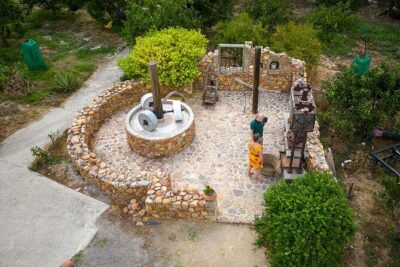
Browse the lists this tour appears in