Reviewed · TICKETS
Heraklion Area: CRETAquarium Admission Ticket
CRETAquarium brings the Mediterranean underwater world indoors, with sharks circling open-ocean tanks, stingrays sliding over sandy bottoms, and scorpionfish camouflaged like lumps of rock. The route also includes jellyfish and tropical clownfish, so you get more than a local-sea-life display.
I like the clear layout and the chance to see the aquarium at your own pace, without being tied to a tour group. I also like its connection to marine research, which gives the displays a useful purpose beyond looking at pretty fish. The main drawback is size: most people finish in about an hour, and some may find the collection smaller than expected.
- More than 1,200 marine organisms are shown across about 60 habitats.
- Sharks, stingrays, jellyfish, sea turtles, and tropical clownfish provide the main visual highlights.
- A €3 audio guide is available at reception in nine languages.
- The aquarium is near the national road, about 25 minutes by car or taxi from Heraklion, Malia, or Hersonissos.
- Summer crowds peak from 11:00 AM to 4:00 PM, when lines can form.
- A cafeteria, gift shop, free parking, and nearby beach make it easy to turn a short aquarium visit into a longer outing.
In This Review
- What You See Inside the 60 Habitats
- Allow One Hour, or Two With Children
- Why the Research Connection Adds Value
- Sharks, Turtles, and the Most Memorable Tanks
- Timing Your Visit Around Summer Crowds
- Getting There From Heraklion, Malia, and Hersonissos
- Cafeteria, Gift Shop, and the Beach Nearby
- The €9 Ticket and What You Actually Get
- Who Will Enjoy CRETAquarium Most
- Should You Book CRETAquarium?
- FAQ
- How long does a visit to CRETAquarium take?
- How many marine animals and species are at CRETAquarium?
- What animals can I see?
- Is an audio guide available?
- How far is CRETAquarium from Heraklion?
- Can I visit if I miss my entry time?
- Is CRETAquarium wheelchair accessible?
- What is included with the ticket?
What You See Inside the 60 Habitats
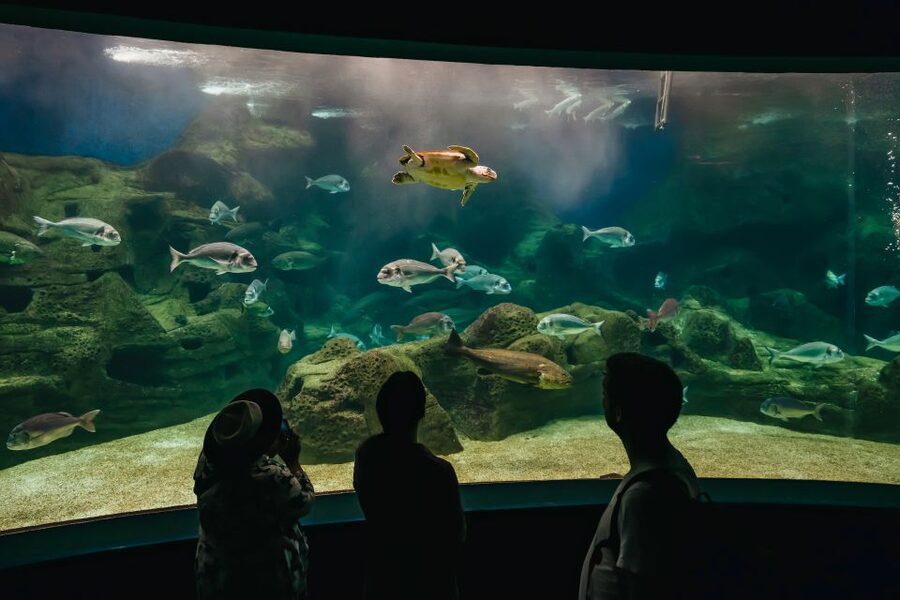
CRETAquarium is part of THALASSOKOSMOS, a large marine research, technology, and recreation complex operated through the Hellenic Centre for Marine Research facilities near Heraklion. That setting matters because the aquarium is not simply a collection of tanks. Its displays connect with ongoing work on marine life, environmental damage, reproduction, behavior, and threatened species.
The route is designed around different marine settings rather than a single giant tank. You move through displays that suggest Mediterranean caves, rocky crevices, open water, and shallower coastal areas. The path is clearly marked, so you can follow it without a guide and stop whenever something catches your eye.
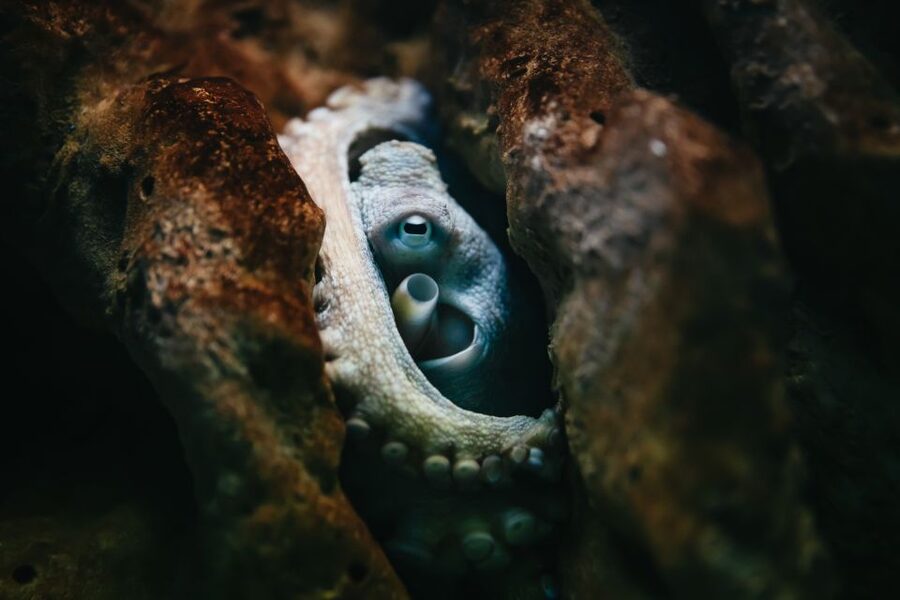
The Mediterranean section is the heart of the experience. Look for stingrays gliding low over the tank floor and scorpionfish that almost disappear against rocks. These are not flashy animals, but the close view helps you understand how much of Mediterranean marine life depends on camouflage and quiet movement.
The open-ocean tanks provide the biggest sense of drama. Sharks circle through the water, and their slow movement is more impressive than any staged feeding show. Large glass panels let you watch from several angles, which is especially useful if you are visiting with children and need to find a clear view.
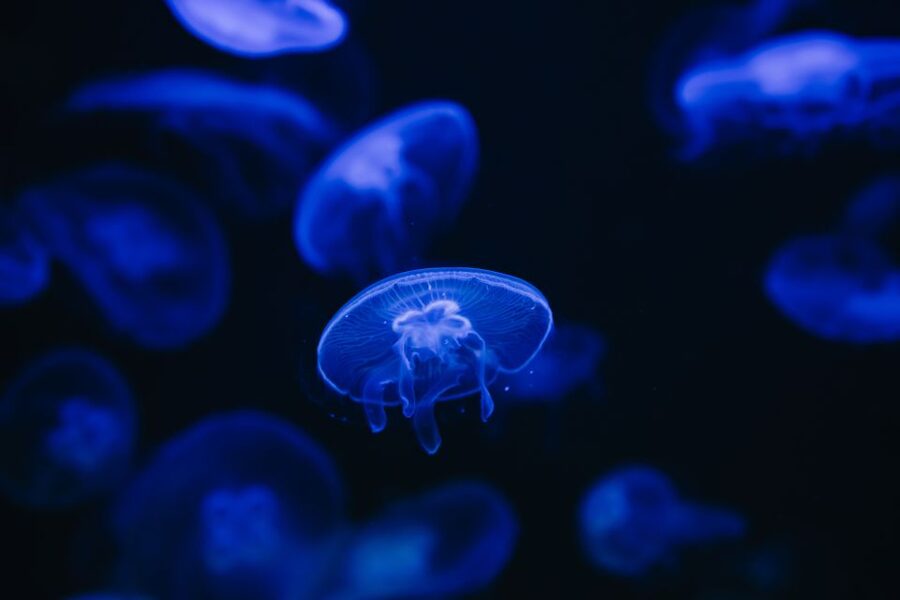
Jellyfish create a very different mood. Their movement is slow and almost hypnotic, and the dedicated displays offer a good break from the larger fish tanks. The open-topped tanks with clownfish and other tropical species also change your viewpoint. Instead of looking only through glass at eye level, you can peer down into the water.
The aquarium presents more than 150 species, with the exact number of individual organisms described in different ways, from over 1,200 to more than 2,000. The practical point is simple: there is enough variety for a worthwhile stop, but this is not an enormous theme-park aquarium that takes half a day to cover.
Allow One Hour, or Two With Children
The official visit time is about one hour, and that is a fair estimate if you walk steadily and read only some of the signs. I would allow 60 to 90 minutes for a relaxed visit, especially if you want time with the sharks, jellyfish, and larger viewing windows.
Some people move through in roughly 20 minutes, while families and curious fish lovers can stay for around two hours. Your pace depends on how much you read and how long you wait for a clear look at each tank.
The short visit is both a strength and a limitation. You can fit CRETAquarium into a busy day in Crete, perhaps before lunch or between a morning drive and an afternoon at the beach. On the other hand, if you expect a full-day attraction, the aquarium may feel too compact.
Children tend to benefit from the manageable size. You are less likely to hear the familiar complaint that the family has only reached the halfway point. The route is easy to walk, the exhibits are varied, and the shark and jellyfish tanks give young visitors obvious goals as they move through the building.
The displays also offer more than a quick visual hit. Information panels explain the species and their environment, while interactive elements help turn the visit into a learning stop. I would not rely on the standard admission alone for a formal lesson, but it gives children plenty to ask about.
More Heraklion trips worth a second look
- Heraklion: Dia Island Sailboat Cruise with Swimming and Meal
★ 4.8 · 2,579 reviews - Crete: Palace of Knossos E-Ticket and Audio Guide
★ 3.8 · 1,540 reviews - Crete: Sunset or Morning Quad with Local Products Tasting
★ 4.9 · 1,135 reviews
Why the Research Connection Adds Value
CRETAquarium uses its public displays to explain the marine environment and the work carried out by the Hellenic Centre for Marine Research. This gives the experience a stronger purpose than simply placing animals in attractive tanks.
The aquarium’s education programs cover different age groups and use accessible explanations rather than assuming you already know marine biology. The aim is to make topics such as animal behavior, reproduction, and the effects of pollution understandable during a normal sightseeing visit.
One especially useful environmental message concerns waste in the sea. A display showing the long breakdown time of discarded material, including a decomposed can after a century or more, makes ocean pollution easier to grasp than a general warning on a sign.
Animal care is another part of the aquarium’s work. The facility follows welfare rules for the marine organisms in its care and conducts research on growth, reproduction, behavior, and life cycles. You can appreciate the animals while also thinking about the work required to keep them healthy.
Special attention goes to threatened and protected species, including sea turtles. In cooperation with local authorities and nongovernmental organizations, the aquarium can receive injured or sick animals, care for them, and return them to the sea after recovery.
That does not turn a one-hour visit into a research course, but it gives your time there more meaning. You are seeing marine life in a place linked to scientific study and protection, not just a decorative attraction.
Sharks, Turtles, and the Most Memorable Tanks
The shark displays are the obvious crowd-pleaser. Their size and steady movement make them easy to spot, and the large windows give you time to watch them without rushing.
Sea turtles are another highlight, although you should keep expectations realistic. The aquarium does feature turtles, and seeing one at close range can be memorable. The collection does not focus heavily on turtles, so if they are your main reason for coming, the visit may feel limited.
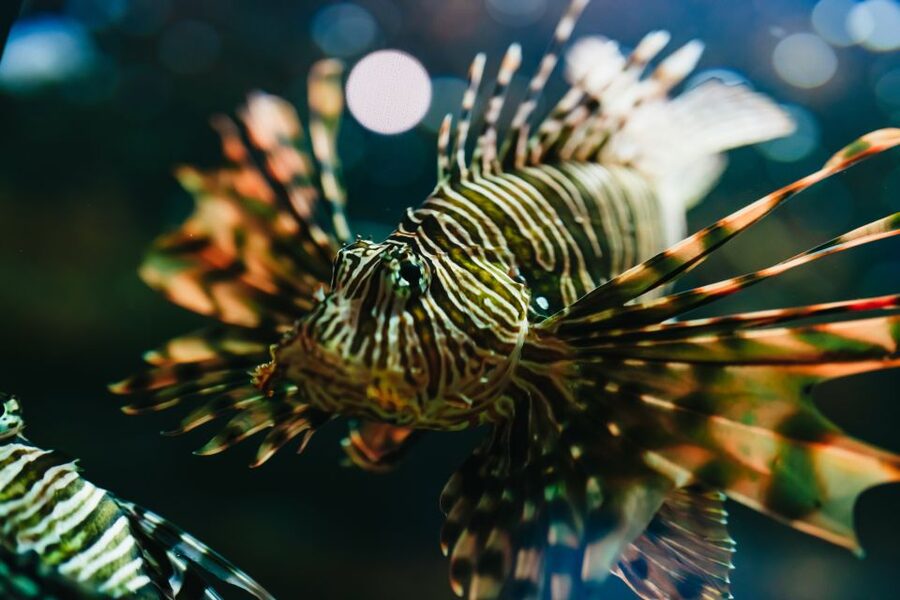
The Mediterranean fish are often more interesting than their muted colors suggest. Scorpionfish, for example, can look like part of the rockwork until you notice an eye or fin. The tanks reward patience, especially if you stop trying to search for the biggest animal and start looking for movement and camouflage.
Tropical clownfish add color and familiarity. The shallow, open-topped tanks let you look down at them, giving the experience some variety after a series of front-facing displays. Jellyfish work in the same way, offering graceful movement rather than size or speed.
The aquarium also shows many smaller fish and other marine creatures from different parts of the world. If you love fish, you could easily spend longer than the suggested hour comparing the habitats and reading the labels.
Timing Your Visit Around Summer Crowds
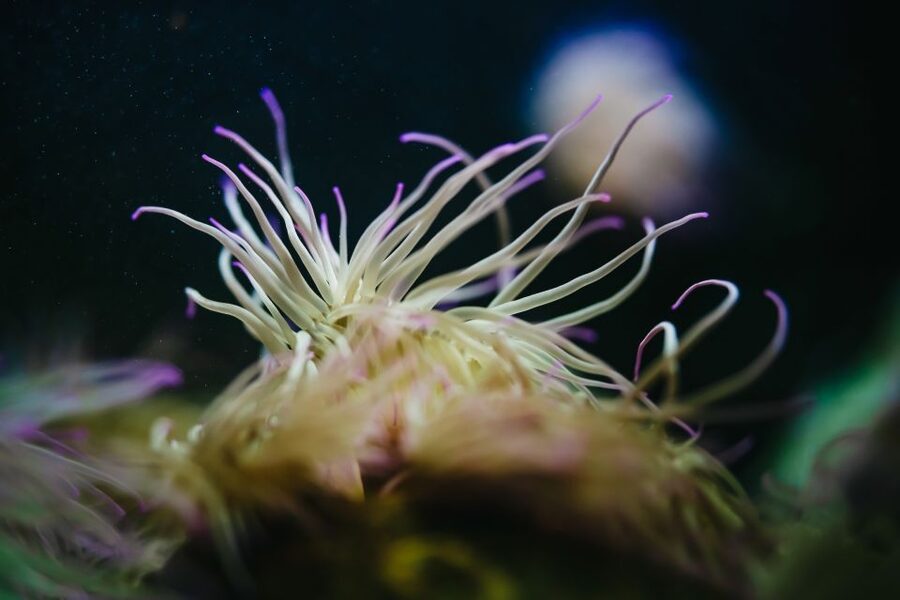
The busiest period is usually between 11:00 AM and 4:00 PM in summer. That is when long entry lines are most likely, and the viewing areas can feel crowded.
I would aim for early morning if you want a quieter walk through the exhibits. This is particularly important for families with young children, wheelchair users, and anyone who wants time at the large tanks without having to wait for a clear position.
Prebooking can make entry quicker. If you miss the exact time slot, the ticket remains valid for that day, but you lose the ability to skip the line. That flexibility helps if your driving plans change, though it is still wise to arrive outside the main midday rush.
The aquarium is indoors and offers a cool break from Crete’s summer heat. That makes it a useful choice on a very hot day, but it also explains why midday can be crowded. Many people have the same idea.
Comfortable shoes are enough for most people. The route is easy to walk, and the facility is wheelchair accessible. Pets, smoking, alcohol, and drugs are not allowed.
A different kind of day out, same corner of Greece:
- 5Hour Safari Tour in Crete(Heraklion)with Quad,Jeep,Buggy & Lunch
★ 5.0 · 941 reviews - Heraklion: Sailing Cruise to Dia Island with Drinks and Meal
★ 4.9 · 778 reviews - Heraklion: Dia Island Sailing Cruise with Snorkeling
★ 4.7 · 742 reviews - From Heraklion: Elafonisi Beach Day Tour with Pickup
★ 4.5 · 731 reviews
Getting There From Heraklion, Malia, and Hersonissos
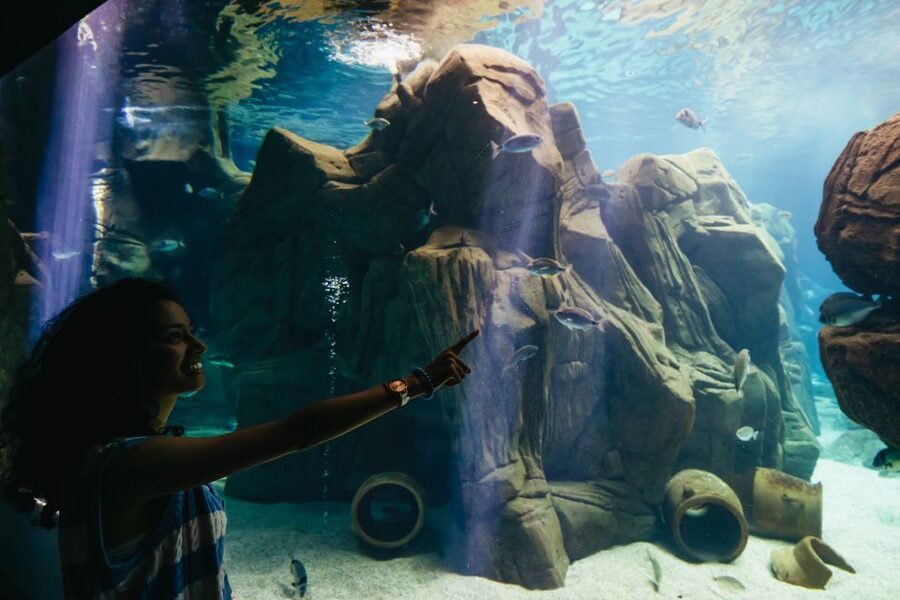
CRETAquarium is reached by car or taxi from the national road. The journey takes about 25 minutes from Heraklion, Malia, or Hersonissos, depending on traffic and your exact starting point.
A car is useful if you plan to combine the aquarium with other stops. Parking is available, and there are plenty of spaces according to recent practical experience. The site is signposted once you are close, although one past visitor went to the wrong aquarium first, so check the destination carefully before setting off.
Taxi access is straightforward, and taxis wait near the aquarium. Fares can vary, but a taxi from the aquarium area has been found to be reasonable, sometimes costing less than a hotel-arranged ride.
Local bus access is also possible from Hersonissos, though you should check the current route and fare before relying on it. The national road location makes the aquarium easier to reach by road than by a casual walk from a resort.
You do not need transport arranged as part of the ticket. The admission covers entry only, so budget separately for the journey, food, drinks, and any audio guide.
Cafeteria, Gift Shop, and the Beach Nearby
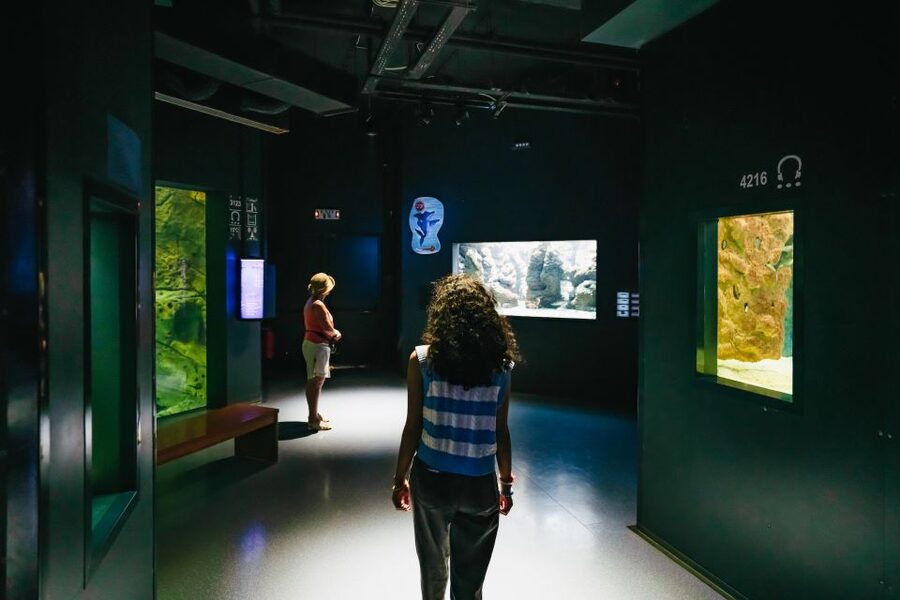
The cafeteria gives you an easy place to sit after the exhibits. It serves more than snacks, with pasta dishes available, and prices have been described as reasonable. That makes the aquarium practical for a family morning rather than a stop that leaves you searching for lunch immediately afterward.
A small gift shop is also on site. It is convenient for children who want a souvenir, though you should treat it as an extra rather than part of the admission value.
The location offers a useful bonus: a beach lies directly in front of the aquarium. The water there is calm and shallow for a stretch, which can suit families and anyone who is not confident in deeper sea water.
Sunbeds have been available free of charge at times, but conditions may change during the day or by season. Do not build your whole plan around them unless you confirm locally. Still, the beach makes a short aquarium visit easier to expand into a relaxed half-day outing.
A practical plan is to arrive early, see the aquarium before the main heat and crowds, eat at the cafeteria, then check the beach. You get more value from the drive and avoid making the aquarium carry the entire day.
The €9 Ticket and What You Actually Get
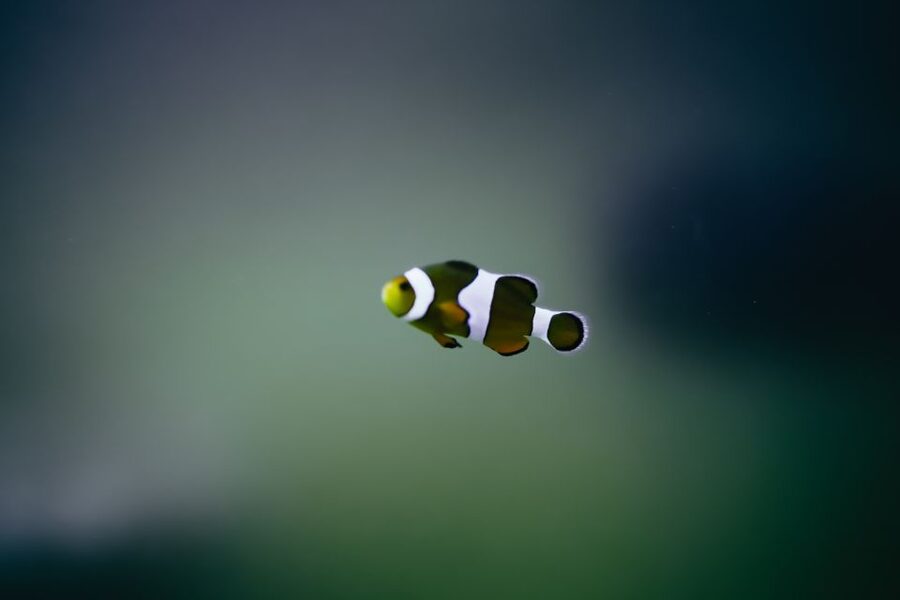
At about $9 per person, the admission is inexpensive by major European aquarium standards. The price works best if you see CRETAquarium as a focused one-hour attraction, not as a full-day entertainment complex.
For a couple, the ticket gives you a calm indoor activity with a strong educational angle. For a family, the manageable duration can be a financial advantage because you are paying for a compact experience that fits neatly into a larger day.
The value improves if you use the aquarium as part of a wider outing. Free parking, a cafeteria, and the nearby beach reduce the need for extra driving and make the visit feel less isolated.
The optional audio guide costs €3 and is available at reception in nine languages. I would consider it if you want more context about the animals or if you are visiting with older children who may engage better with spoken explanations. If you mainly want to see the tanks, the signs and clear route may be enough.
The ticket includes no transport, food, drinks, guided tour, or audio guide. You get one day of admission, with free cancellation up to 24 hours in advance and a reserve-now, pay-later option available when booking.
Who Will Enjoy CRETAquarium Most
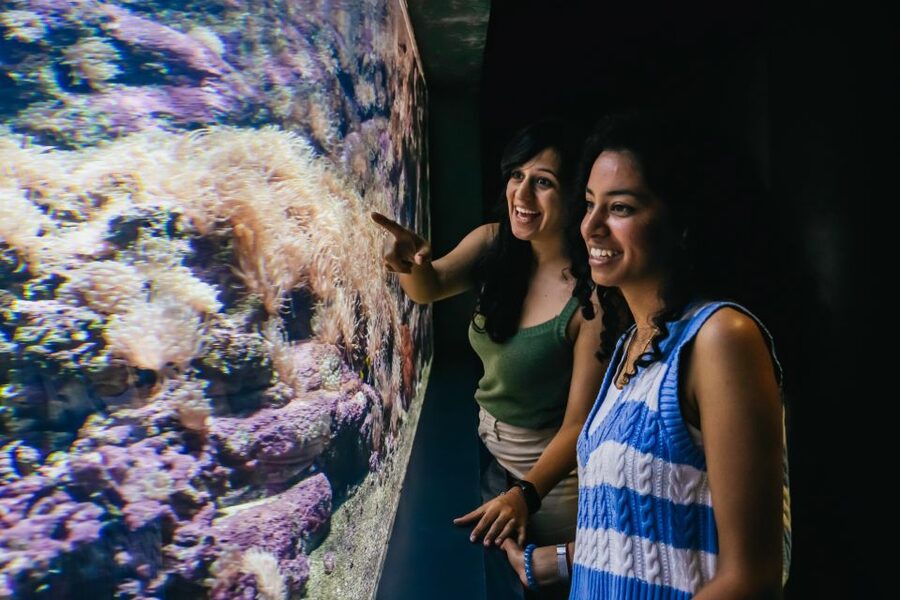
I would recommend this aquarium to families, couples looking for a short indoor break, fish enthusiasts, and anyone staying near Heraklion, Malia, or Hersonissos.
It is particularly useful when the weather is too hot for a long outdoor walk. The route is also suitable for a mixed-age group because children can focus on sharks and clownfish while adults spend more time on the environmental and research information.
You will get the most from it if you like observing rather than rushing. The tanks are clean, the route is well signposted, and the range includes both familiar tropical fish and less showy Mediterranean species.
You may feel underwhelmed if you have already visited very large aquariums or expect dramatic shows, extensive tunnels, or an all-day program. The collection is varied, but the building is not huge, and the full route can be completed quickly.
People who mainly want sea turtles should also keep their expectations modest. Turtles are present, but sharks, jellyfish, rays, and the wider mix of fish are a larger part of the experience.
Should You Book CRETAquarium?
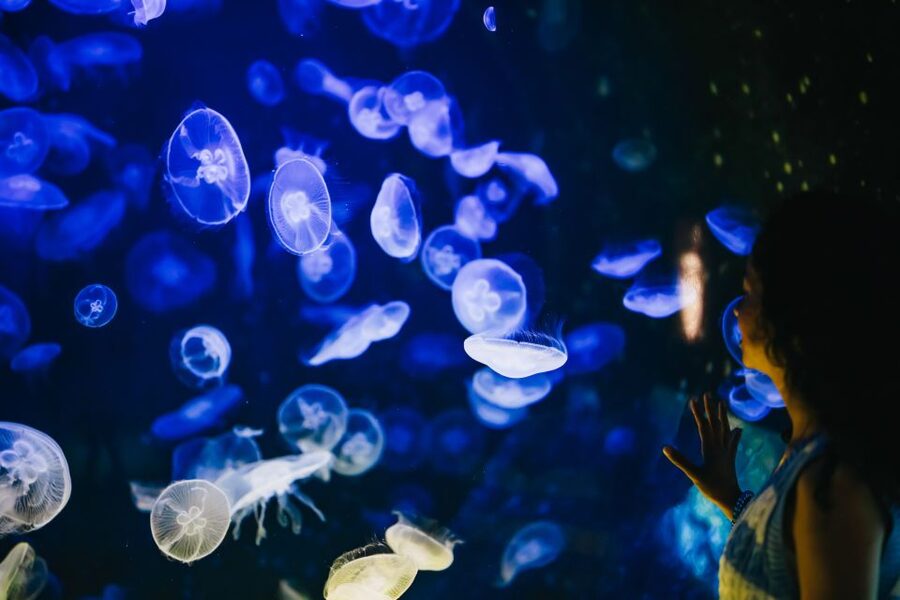
I would book it if you want a reasonably priced, easy-to-fit attraction near Heraklion and prefer a clean, well-organized aquarium to a long guided excursion. The science and conservation work add substance, while the sharks, jellyfish, and open-topped tropical tanks keep the visit visually interesting.
Book an early time in summer, especially if you dislike lines. Allow one hour at minimum, closer to two if you have children or enjoy reading every display.
Skip it if your schedule is already packed with major archaeological sites, beaches, and mountain drives, or if you need a full day from one paid attraction. CRETAquarium is best understood as a worthwhile short stop with the option of a beach and cafeteria afterward, not as an enormous marine park.
FAQ
How long does a visit to CRETAquarium take?
The aquarium can be explored in about one hour. Depending on your pace, you might finish in 20 minutes or spend closer to two hours with children, extra reading, and time at the larger tanks.
How many marine animals and species are at CRETAquarium?
The aquarium displays more than 1,200 marine organisms and over 150 different species across about 60 habitats. Other descriptions refer to more than 2,000 sea creatures, so the exact count may vary by how individual organisms and exhibits are counted.
What animals can I see?
You can see Mediterranean fish, stingrays, scorpionfish, sharks, jellyfish, tropical clownfish, sea turtles, and other marine life from different regions.
Is an audio guide available?
Yes. You can rent an optional audio guide at reception for €3. It is available in nine languages.
How far is CRETAquarium from Heraklion?
The aquarium is about 25 minutes by car or taxi from Heraklion. It is also about 25 minutes by car or taxi from Malia and Hersonissos.
Can I visit if I miss my entry time?
Yes. Your ticket remains valid for the same day if you miss the exact time slot. You may need to join the regular line and cannot skip the queue.
Is CRETAquarium wheelchair accessible?
Yes, the aquarium is wheelchair accessible.
What is included with the ticket?
The ticket includes the entrance fee for one day. Transport, personal expenses, food, drinks, a guided tour, and the optional audio guide are not included.
Recently reviewed around Heraklion
- Troy Dinner-Show★ 5.0 · 103 reviews
- Heraklion : Spinalonga, Agios Nikolaos , Elounda Boat Tour & BBQ★ 3.5 · 32 reviews
- Quad Safari Off-Road Evening Tour★ 5.0 · 69 reviews
- Knossos & Lasithi Plateau: Zeus Cave,Villages, Olive Oil Tour★ 5.0 · 328 reviews
- Heraklion: Dia Island Sunset Boat Tour with Dinner★ 5.0 · 61 reviews
- Hersonissos: Alar Spectacular Dinner Show★ 4.7 · 45 reviews
- Heraklion: Try Scuba Diving For Beginners (1 dive)★ 5.0 · 30 reviews
- Heraklion: Spinalonga, Agios Nikolaos, & Elounda Boat Tour★ 4.0 · 63 reviews
Tickets, compared.


Athens All Included: Acropolis and Museum Guided Tour with Ticket
Read our review →
Acropolis Museum Ticket with optional Audio Guide
Read our review →
Acropolis Ticket & Optional Self-Guided Audio Tours
Read our review →
Knossos Palace Entry Ticket with Optional Audio Guide
Read our review →
Guided Tour of Acropolis & Parthenon with Tickets
Read our review →