Reviewed · CRETE TOURS
Koumoulia Ceramics / Ceramics courses
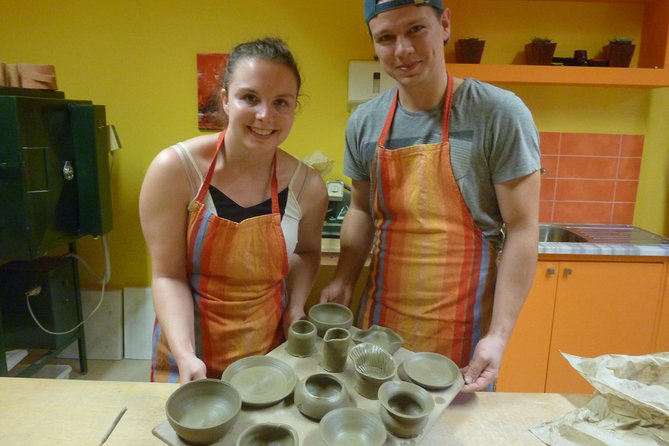
The best part of this experience is the chance to make something with your own hands in a small Cretan ceramics workshop. You begin with a quick tour of the atelier, then learn how clay changes from a shapeless lump into a useful object. It is a practical, creative afternoon rather than a sightseeing stop.
I like the small maximum of five people, which should give you room to ask questions and get help with hand-building or the wheel. I also like the clear, hands-on format: you do not just watch a demonstration, you create your own pieces. The main catch is the finished work. It needs several days to dry, and glazing, a second firing, and shipping cost extra.
In This Review
- Key points at a glance
- What happens inside the Koumoulia workshop
- Why the five-person limit matters
- The real value of the $96.11 price
- Drying, glazing, and firing: plan the second half
- The meeting point near Heraklion
- Rouvas Gorge and Knossos: clarify these names first
- Who will enjoy this class most
- A useful Cretan souvenir, with conditions
- Should you book Koumoulia Ceramics?
- FAQ
- Where does the ceramics class take place?
- What time does the activity start?
- How long does the ceramics experience last?
- Is the class offered in English?
- How many people can join the activity?
- Can I use a pottery wheel?
- Can I take my pottery home the same day?
- Is glazing and the second firing included in the price?
- Can the finished pottery be shipped?
Key points at a glance
- Two hours of hands-on pottery: Learn basic hand-building and wheel techniques, not just the theory of ceramics.
- A small group of up to five: The compact class size should make personal guidance easier.
- Your work is not ready the same day: Drying takes three to four days, depending on the piece and weather.
- Glazing and the second firing cost extra: You can choose a color, but the additional baking is not included in the $96.11 price.
- Pickup is possible, shipping is optional: Overseas postage can be expensive, especially to the United States.
- Check the location details carefully: The meeting point is on an unnamed road near Heraklion, and the supplied schedule also names Rouvas Gorge and Knossos without explaining their role.
What happens inside the Koumoulia workshop
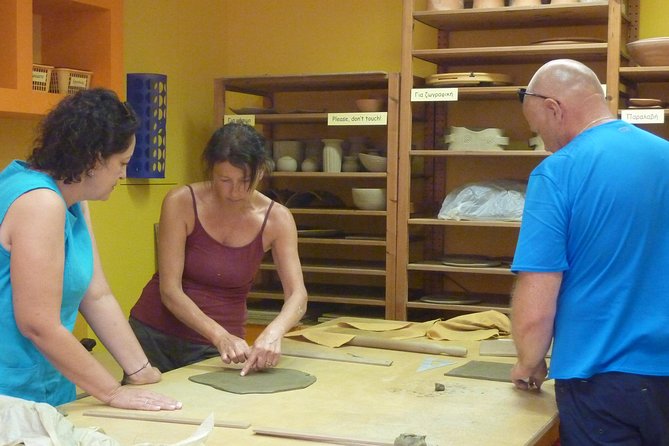
The class begins with a short guided look around the workshop. You are introduced to the stages clay passes through before it becomes a cup, bowl, ornament, or another useful object.
That opening matters. Pottery can look simple from a distance, but the clay needs the right handling, drying time, and firing before it becomes durable. Seeing the process first helps you understand why your piece cannot simply be wrapped up and placed in your luggage two hours later.
After the workshop tour, the instructor shows you several ways to work with clay. The supplied information does not name the instructor, so you should not expect a named specialist or a formal lecture. The focus is on learning by doing, with demonstrations followed by your own attempt.
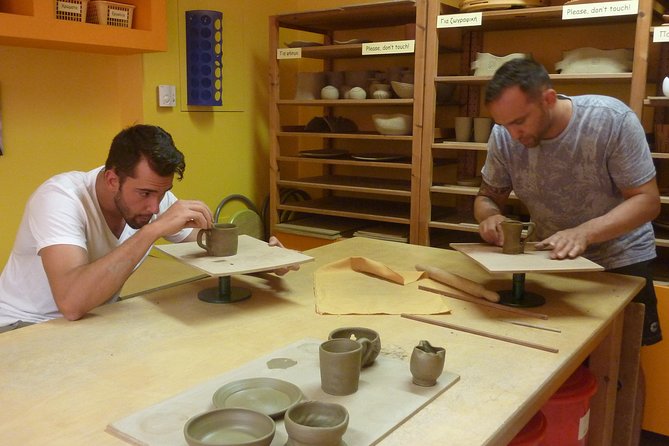
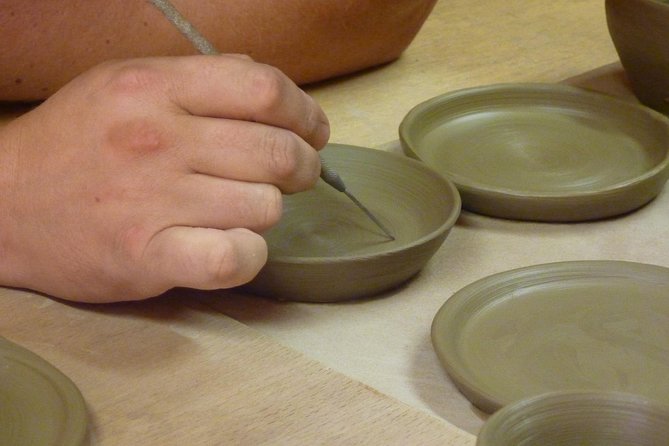
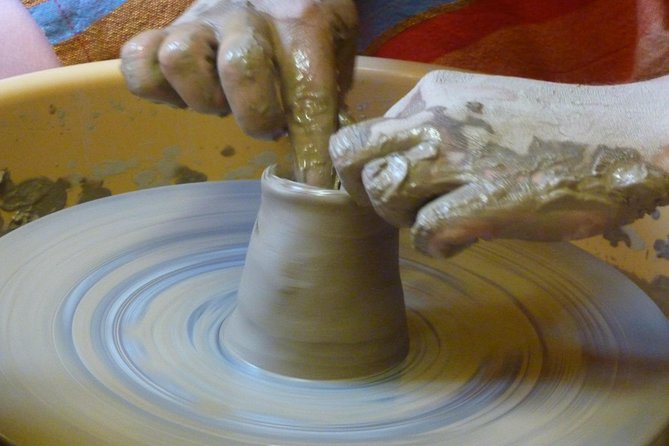
You can work by hand or use the pottery wheel. Hand-building gives you more direct control and may suit you if you like shaping a piece slowly with your fingers. The wheel offers a different challenge, since the clay must stay centered as it turns. The class lets you try the techniques rather than locking you into one method.
That variety is one of the strongest reasons to book. A standard craft activity can leave you with one narrow task. Here, you get an introduction to more than one way of forming clay, plus help as you make your own object.
More Crete trips worth a second look
- From Kissamos Port: Boat Cruise to Balos Lagoon & Gramvousa
★ 4.2 · 6,755 reviews - Crete: Day Trip to Agios Nikolaos and Spinalonga Island
★ 4.6 · 4,416 reviews - From Chania: Full-Day Samaria Gorge Trek Excursion & Guide
★ 4.6 · 3,191 reviews
Why the five-person limit matters
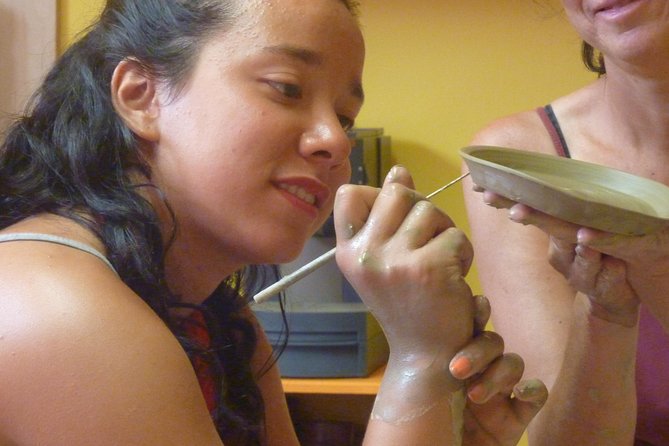
A group of no more than five people is a real advantage in a class built around manual work. You may need help centering clay, adjusting pressure, or understanding why a shape has started to collapse. With fewer people at the tables or wheels, the instructor has a better chance of reaching you before a small problem becomes a ruined piece.
This is also a good size for a mixed group. One person may want to spend more time on the wheel, while another prefers hand-building. A compact class makes it easier to watch the demonstrations and compare methods without turning the workshop into a crowded production line.
The published rating is 4.7 from 33 ratings, and 94 percent of participants recommend the experience. The strongest praise centers on having fun, learning a lot, trying different techniques, and receiving friendly support. That gives you a useful picture of the class: it is meant to be accessible and enjoyable, not a demanding professional ceramics course.
Still, two hours is not enough time to master pottery. Think of this as a first taste of the craft. You will learn the basic movements and make an object, but you should not expect a finished, gallery-quality piece every time.
The real value of the $96.11 price
At $96.11 per person, this is not a cheap souvenir-making activity. The value depends on what you want from the afternoon.
If you want a personal experience, a small group, and the chance to create something yourself, the price can make sense. You are paying for instruction, workshop time, materials, and access to both hand-building and wheel techniques. The experience also gives you a better understanding of how pottery is made, which adds more value than simply buying a finished object in a shop.
The price looks less attractive if you mainly want a completed keepsake to carry home that same day. Your piece will need three to four days to dry, and the exact time depends on its shape and the weather. If you want it glazed, you must wait another two days for the second firing. That second firing is not part of the listed cost.
You should also plan for the final handling before you book. Once the piece has been fired, you can collect it from the workshop. If you have already left Crete, the workshop can send it to an address at your own expense. Overseas shipping can be fairly expensive, and the supplied information specifically warns that shipping outside the European Union may cost a lot.
This is the point that needs the clearest explanation. A piece that has not been fired is fragile and may not survive a trip home. If you cannot return for pickup and do not want to pay international shipping, ask about the full cost before you start. The workshop says it is willing to fire the work and arrange shipping when you cover the expense, but that final service is separate from the class price.
Drying, glazing, and firing: plan the second half
The class itself lasts about two hours, but your pottery project continues after you leave. First, the clay must dry. The stated estimate is three to four days, though weather and the form of your piece can change that timing.
Once dry, the object can be collected or prepared for glazing. If you choose a color, the piece needs another firing, which takes about two more days. This is a useful option if you want a more finished result, but it adds both time and cost.
That schedule makes this activity easiest for people spending several more days in Crete or passing back through the Heraklion area. If you are leaving the island the next morning, pickup may not be realistic. You can still take part, but you need to decide in advance if you are willing to pay for shipping.
A one-star experience connected the high cost with the fact that the pieces were not fired before departure. The workshop explained that firing was declined because shipping to the United States was expensive, and that the option had been described in advance. The practical lesson is simple: do not treat the pottery as an instant take-home item. Ask about firing, glazing, and delivery before making the booking, especially if you live outside Europe.
A different kind of day out, same corner of Greece:
- Agios Nikolaos: Boat Trip to Spinalonga with Swim Stop
★ 4.4 · 3,031 reviews - Heraklion: Dia Island Sailboat Cruise with Swimming and Meal
★ 4.8 · 2,579 reviews - Crete: Knossos Palace Entry Ticket with Optional Audio Guide
★ 3.9 · 2,251 reviews - Heraklion Area: CRETAquarium Admission Ticket
★ 4.4 · 2,055 reviews
The meeting point near Heraklion
The activity starts at 3:00 pm at an unnamed road address in Iraklio 700 13, Greece. The experience ends back at the meeting point.
That wording is less convenient than a clear landmark or a named street. One person had trouble finding the workshop, while the provider said detailed directions had been supplied. I would take this seriously and save the directions, map pin, and confirmation before leaving your hotel. Do not assume the meeting point will be obvious from a main road.
The mobile ticket is useful once you arrive, and confirmation is received at booking. The activity is offered in English. Most people can participate, but the details do not provide further information about specific mobility requirements or adaptations. If you need a particular arrangement, contact the provider before paying, since the booking is non-refundable.
The afternoon start works well if you want a relaxed activity after morning sightseeing. It also gives you time to reach the workshop before 3:00 pm. Since no transport service is described, you need to arrange your own way to the meeting point and allow extra time for finding it.
Rouvas Gorge and Knossos: clarify these names first
The supplied schedule also lists Rouvas Gorge in the Agios Nikolaos area and the Palace of Knossos as stops. That does not match the two-hour ceramics description, which focuses on a workshop near Heraklion and ends at the same meeting point.
No timings, transport details, or explanation are given for these two places. You should not assume the pottery class includes visits to either site. Rouvas Gorge is not presented with a walking plan, and Knossos is not described with an entry arrangement or touring time.
Before booking, ask the provider whether these names belong to this ceramics experience or have been attached by mistake. This matters because a pottery workshop, a gorge visit, and a Knossos tour would require very different schedules and transport plans. The safest reading of the detailed activity description is that your main experience is the workshop itself.
If you are hoping to visit Knossos, arrange that separately unless the provider confirms otherwise. The same applies to Rouvas Gorge. Keeping those plans separate will help you avoid expecting a full-day sightseeing program from a short creative class.
Who will enjoy this class most
I would recommend Koumoulia Ceramics to you if you like making things, want a break from ruins and beaches, or prefer a personal activity over a large organized tour. It should suit couples, friends, families with participants who can take part in the class, and anyone curious about pottery but unwilling to commit to a long course.
The English-language format makes the basic instruction accessible to English speakers. The small group should help if you are new to clay and need encouragement. The friendly support described in the feedback is especially useful for beginners, since pottery can be frustrating during the first few attempts.
It may be less suitable if you are on a tight budget, leaving Crete immediately, or expecting a finished product in your suitcase. It is also not the right choice if your main goal is a formal tour of Knossos or an outdoor excursion to Rouvas Gorge. Those names need confirmation before you count them as part of the afternoon.
A useful Cretan souvenir, with conditions
The best souvenir here is not necessarily the object itself. It is the memory of learning how clay behaves and seeing your own rough shape become something useful after drying and firing.
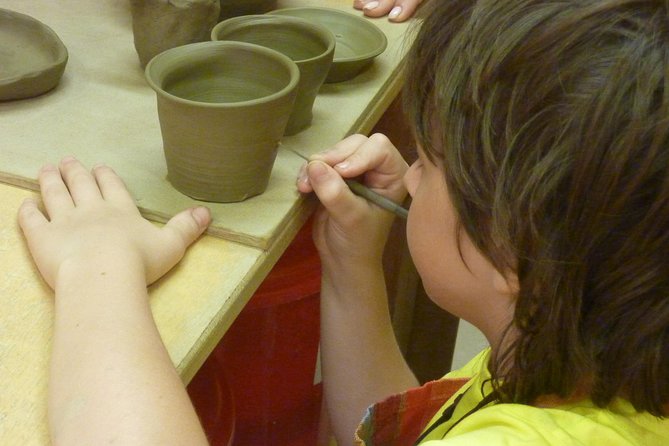
That said, you should be honest about the practical limits. Your piece may be small, uneven, or more playful than polished. That is part of a beginner class, but it can feel disappointing if you paid mainly for a perfect ceramic gift.
I would decide what matters most before you arrive. If the process is the point, the class offers a good way to spend two hours and leave with a personal project. If the finished item is the point, confirm the firing and shipping charges first. You may decide that pickup is easiest, or that a fired and glazed object is worth the extra wait.
The experience is non-refundable and cannot be changed for any reason. That makes accurate planning even more important. Check your route, confirm the meeting point, and settle the final pottery arrangements before committing.
Should you book Koumoulia Ceramics?
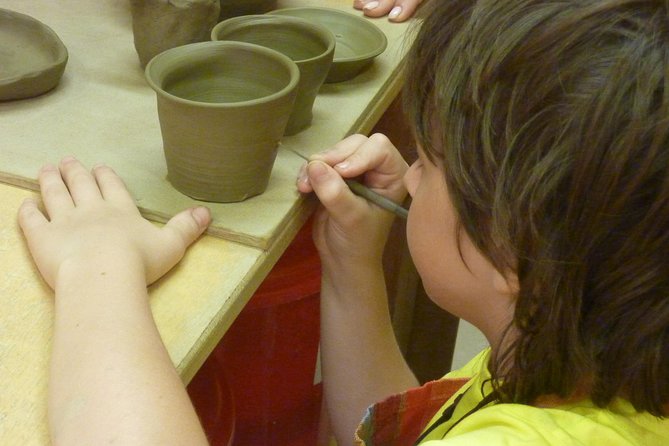
Book it if you want a small, hands-on pottery lesson and can accept that the finished work comes later. The combination of a workshop tour, several clay techniques, English instruction, and a maximum of five people gives the experience a personal feel.
Skip it if you need a ready-to-carry souvenir, dislike extra charges after the main activity, or cannot manage pickup or paid shipping. Most important, clarify the unexplained references to Rouvas Gorge and Knossos and confirm the workshop directions.
For the right person, this is a pleasant change of pace from standard Cretan sightseeing. Just treat the $96.11 as the cost of the class, not the complete cost of a glazed, fired, and delivered ceramic piece.
FAQ
Where does the ceramics class take place?
The meeting point is on an unnamed road in Iraklio 700 13, Greece, near Heraklion. The experience ends back at the meeting point.
What time does the activity start?
The class starts at 3:00 pm.
How long does the ceramics experience last?
The workshop lasts approximately two hours.
Is the class offered in English?
Yes. The experience is offered in English.
How many people can join the activity?
The maximum group size is five participants.
Can I use a pottery wheel?
Yes. The instructor demonstrates techniques for creating objects by hand or on the wheel.
Can I take my pottery home the same day?
No. The pieces need about three to four days to dry before they can continue through the firing process.
Is glazing and the second firing included in the price?
No. Glazing and the second firing are not included. The second firing takes about two more days.
Can the finished pottery be shipped?
Yes. The workshop can send the fired handicraft to an address at your own expense. Overseas shipping can be expensive, especially outside the European Union.
Recently reviewed around Crete
- Troy Dinner-Show★ 5.0 · 103 reviews
- Heraklion : Spinalonga, Agios Nikolaos , Elounda Boat Tour & BBQ★ 3.5 · 32 reviews
- Quad Safari Off-Road Evening Tour★ 5.0 · 69 reviews
- Knossos & Lasithi Plateau: Zeus Cave,Villages, Olive Oil Tour★ 5.0 · 328 reviews
- Knossos & lasithi plateau villages,Zeus’s cave,&olive oil Mill★ 5.0 · 90 reviews
- Sailing trip to the Top Coasts of Crete, Daily/Multi-day★ 5.0 · 221 reviews
- Cretan Wines & Olive oil tour – The treasures of Crete★ 5.0 · 147 reviews
- PRIVATE-Knossos Palace-Zeus Cave-Olive Oil Tasting-Old Villages★ 5.0 · 81 reviews
Crete Tours, compared.
From Kissamos Port: Boat Cruise to Balos Lagoon & Gramvousa
Read our review →
Day Trip to Agios Nikolaos and Spinalonga Island
Read our review →
Full-Day Samaria Gorge Trek Excursion & Guide
Read our review →

Dia Island Sailboat Cruise with Swimming and Meal
Read our review →
Knossos Palace Entry Ticket with Optional Audio Guide
Read our review →