Reviewed · CRETE TOURS
Lasithi –Plateau Traditional Vilages
The most memorable part of this six-hour trip is the way it links Cretan villages, mountain plateaus, and mythology in one day. You move from the old streets of Kritsa to the high Katharo Plateau, then across Lasithi, where thousands of windmills once pumped water from the soil.
I like the small maximum group of 10, which gives the guide room to explain local stories without turning the day into a crowded bus outing. I also like that lunch and bottled water are included, a practical touch on a warm mountain day. The main drawback is the pace: Zeus’s Cave requires a climb, and several stops involve uneven or uphill walking.
In This Review
- Key points to know before you book
- Why this mountain route is worth your time
- Kritsa, a village with stories in its stones
- Katharo Plateau at 1,250 meters
- Lasithi Plateau and its 10,000 windmills
- Lunch with a taste of the mountains
- Krasi and the enormous plane tree
- The vehicle, group size, and daily rhythm
- Is $106.65 a fair price?
- Who should book this tour?
- Should you book the Lasithi villages tour?
- FAQ
- Where does the Lasithi traditional villages tour take place?
- How long does the tour last?
- What day and time is the tour offered?
- Is hotel pickup available?
- How many people can join the tour?
- Is lunch included?
- Is transportation included?
- Is the entrance fee for Zeus’s Cave included?
- Can I cancel for a full refund?
Key points to know before you book
- Kritsa starts the cultural side of the day: Allow about an hour for this historic village, its religious sites, legends, and traditional character.
- Katharo sits high at 1,250 meters: You get mountain scenery and stories tied to the Ottoman period, along with the area’s famous dwarf hippopotamus fossils.
- Lasithi’s windmills tell an engineering story: More than 10,000 once worked here, making the plateau an early European wind-power center.
- Zeus’s Cave is optional in cost but demanding in effort: The entrance fee is not included, and reaching the cave involves a climb.
- Krasi gives you a quick final stop: The ancient plane tree has a circumference of about 24 meters and is linked with writer Nikos Kazantzakis.
- Lunch is part of the value: The meal helps justify the $106.65 price, especially since transport, water, and a guide are also included.
Why this mountain route is worth your time
Crete can be easy to reduce to beaches and seaside towns. This trip takes you inland, where the island feels older, quieter, and more connected to farming, folklore, and mountain life.
The route begins in Agios Nikolaos and heads toward the interior. You ride in an air-conditioned vehicle, a real benefit when temperatures rise. The tour lasts about six hours, so it gives you a good taste of the mountains without taking up an entire day.
The group limit is 10 people. That matters here because the experience depends on explanation. A guide can point out a village church, explain a local legend, or answer a question about Greek mythology more easily with a small group. One guide identified on this experience is Nikos, who has been praised for combining a friendly manner with useful commentary.
Still, this is not a gentle sightseeing loop. The route reaches high elevations, and the stop at Zeus’s Cave includes uphill walking. One person described the cave visit as a highlight but also noted the heat and the physical effort. If you are comfortable walking on an incline and taking your time, it should be manageable. If not, you may prefer to enjoy the plateau without entering the cave.
More Crete trips worth a second look
- From Kissamos Port: Boat Cruise to Balos Lagoon & Gramvousa
★ 4.2 · 6,755 reviews - Crete: Day Trip to Agios Nikolaos and Spinalonga Island
★ 4.6 · 4,416 reviews - From Chania: Full-Day Samaria Gorge Trek Excursion & Guide
★ 4.6 · 3,191 reviews
Kritsa, a village with stories in its stones
Kritsa is the first major stop, with about an hour to explore. It is known as a traditional village with links to legends, gorges, archaeological remains, and religious monuments.
That one-hour window is long enough to get a feel for the place, but not long enough for a slow, unplanned wander. I would use the stop to follow the guide’s introduction first, then take a short look at the streets and buildings around you. The value of Kritsa is not one single attraction. It is the combination of village character, local stories, and evidence of Crete’s long religious and archaeological past.
The village also gives you an early change of pace. Instead of beginning with a viewpoint and a quick photo, you begin with a living settlement. That makes the rest of the trip easier to understand. The plateaus are not just scenic areas. They are places shaped by people, farming, faith, and old routes through the mountains.
Admission to Kritsa is free. You should still wear shoes suitable for walking, since the stop may include uneven village surfaces and some standing outdoors.
Katharo Plateau at 1,250 meters
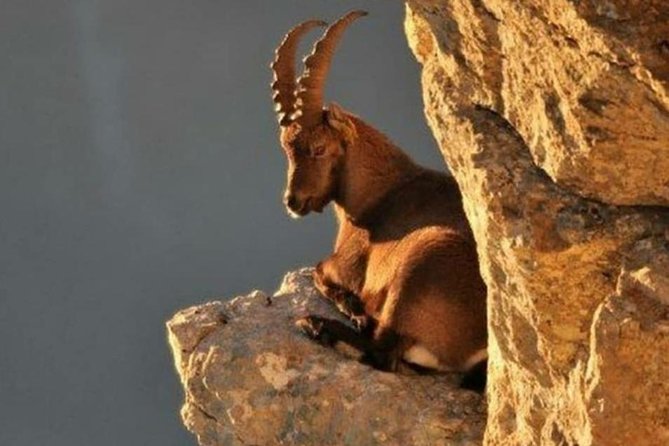
From Kritsa, the road climbs to Katharo Plateau, also called the Lower Plateau in the tour description. At an altitude of about 1,250 meters, it offers a sharp contrast with coastal Crete.
The area is known for fossils of the Cretan dwarf hippopotamus. That detail may sound strange beside the mountain views, but it gives the plateau an unusual sense of time. You are looking at a place connected not only to recent village life and Ottoman-era stories, but also to animals that lived in Crete long before modern settlement.
The plateau is also tied to legends and stories dating to the Ottoman period. Here, the guide’s role matters. A high mountain plain can look like a simple photo stop if you do not know what you are seeing. With context, the stop becomes a lesson in how geography and politics shaped local life.
You have roughly an hour here. The air may feel cooler than at the coast, but the sun can still be strong. Bring sun protection and water, even though bottled water is supplied. Keep your expectations realistic: this is a scenic and cultural stop, not a long hike or a structured archaeological visit.
Lasithi Plateau and its 10,000 windmills
The largest part of the day is spent around Lasithi Plateau, at about 1,150 meters. The tour allows around two hours here, giving you more time to absorb the area than at the shorter village stops.
Lasithi is famous for its traditional windmills. More than 10,000 once operated across the plateau, drawing water for agriculture. In the 1950s and 1960s, the area was regarded as one of Europe’s first wind farms. That makes the old machinery more than a picturesque backdrop. It represents a practical local answer to the problem of moving water across a broad mountain basin.
I find this one of the most useful parts of the trip because it connects history with everyday work. The windmills were not built for decoration. They helped make farming possible at high altitude. Your guide can help you see the plateau as a working place, not merely a collection of mountain views.
The two-hour stop also includes the option to visit the Diktaio Cave, known in Greek mythology as the birthplace of Zeus. The cave is located near the village of Psychro, at an altitude of about 840 meters. The entrance fee is not included, so you should budget separately if you want to go inside.
The cave visit requires a climb. This is the physical point to consider most carefully before booking. A past account describes people using donkeys to reach the cave, but animal welfare concerns were also raised, particularly in hot conditions and when carrying larger adults. I would not treat the donkeys as an automatic solution. Ask your guide about the route and decide if walking at your own pace is right for you.
Even if you skip the cave, the area remains worthwhile for its connection to Zeus and the stories of ancient Crete. If mythology interests you, bring questions. A guide named Nikos has been noted for spending time discussing Greek mythology, including with younger visitors.
A different kind of day out, same corner of Greece:
- Agios Nikolaos: Boat Trip to Spinalonga with Swim Stop
★ 4.4 · 3,031 reviews - Heraklion: Dia Island Sailboat Cruise with Swimming and Meal
★ 4.8 · 2,579 reviews - Crete: Knossos Palace Entry Ticket with Optional Audio Guide
★ 3.9 · 2,251 reviews - Heraklion Area: CRETAquarium Admission Ticket
★ 4.4 · 2,055 reviews
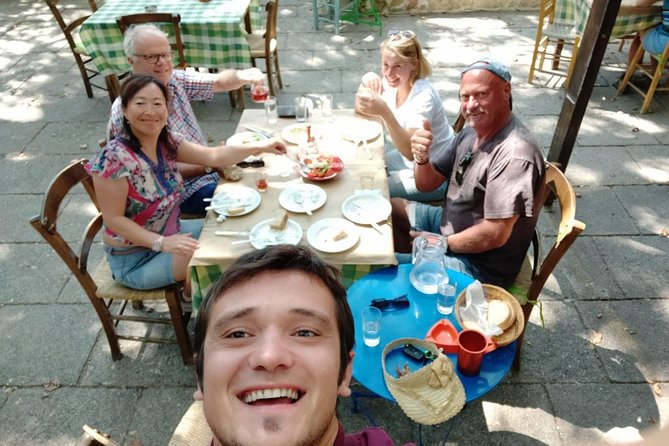
Lunch with a taste of the mountains
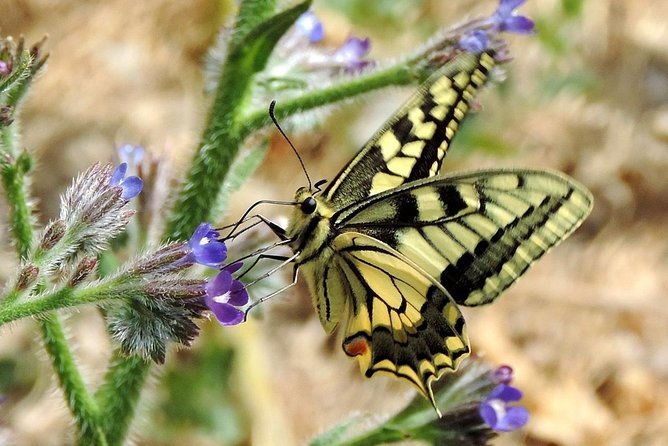
Lunch is included, along with bottled water. That is important because the route covers several mountain stops and may be warm, especially around the cave.
The meal adds real value to the price. A separate mountain excursion with transport and food can quickly cost more than expected, and you avoid having to search for a restaurant during a tightly timed route. One account specifically praised the meal and mentioned trying goat, a fitting local dish for a trip through Crete’s upland villages.
The exact menu is not specified, so you should not book expecting a particular dish. The useful point is that lunch is part of the planned experience rather than an afterthought. It gives you a break from the vehicle and keeps the day moving.
If you have dietary restrictions, the available information does not promise special menus. Ask about this before booking rather than assuming the meal can be changed.
Krasi and the enormous plane tree

The final stop is Krasi, a village visited during the descent. The stop lasts about 30 minutes, so this is a short photo and orientation break rather than a full village tour.
The main sight is an ancient plane tree associated with the Cretan writer Nikos Kazantzakis. Its trunk has a circumference of about 24 meters and is estimated to be around 2,400 years old. A local saying links each measure of its circumference with 100 years of age.
The tree gives the stop an immediate visual focus. After a day of mountain roads, villages, mythology, and old farming technology, you finish with a living reminder of time. Thirty minutes should be enough for photographs and a quick look around, but not for a long exploration of Krasi.
The vehicle, group size, and daily rhythm
The tour uses an air-conditioned vehicle and accepts a maximum of 10 people. For this route, both details matter.
Mountain roads can make a crowded vehicle uncomfortable. One account complained that the van felt too tight, with seven people sharing the vehicle at one point. That is a fair concern to keep in mind. The stated maximum of 10 does not guarantee a spacious ride, and vehicle size can affect comfort.
The schedule also includes a practical meeting window on Wednesday mornings, between 9:00 and 10:00. Your exact pickup details should be confirmed when you book. Pickup is offered, and confirmation is received at the time of booking.
The day has a planned structure: village, plateau, windmills and cave area, lunch, then Krasi on the descent. One person found the driving and explanations less satisfying when stops were not fully explained in advance. I would listen carefully at each arrival so you know how long you have, where to meet again, and what is optional.
This is a guided group excursion, not a private custom tour. You should expect the guide to keep the route moving so everyone stays on schedule.
Is $106.65 a fair price?
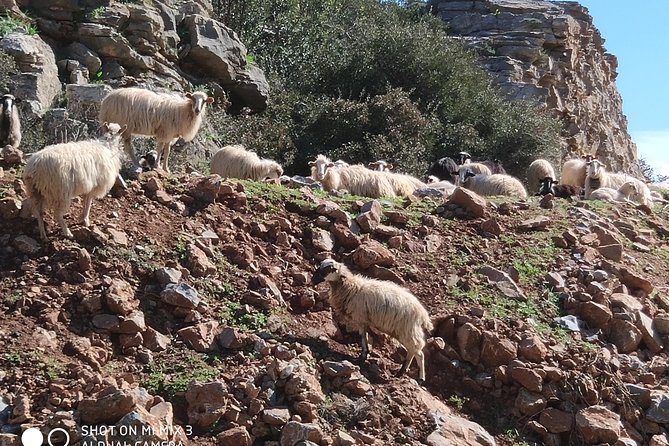
At $106.65 per person, this is not a bargain-priced local outing. It is a fairer deal if you plan to use the included transport, lunch, bottled water, and guiding.
You are paying for access to several inland locations in one half-day. Reaching Kritsa, Katharo, Lasithi, Psychro, and Krasi independently would require your own vehicle, route planning, fuel, and confidence on mountain roads. The tour also gives you historical and mythological context that you might miss on a self-drive day.
The value drops if you want lots of free time. Each stop has a set duration, and the cave entrance fee costs extra. You also need to be comfortable sharing the vehicle with a small group.
For someone staying in Agios Nikolaos who wants to see the interior without renting a car, I think the price is reasonable. For a couple seeking a private, slow-paced day, a small-group format may feel less flexible.
Who should book this tour?
I would recommend it to you if you want a mix of culture, mountain scenery, mythology, and local food. It suits curious visitors who enjoy hearing why a place matters, not just stopping for a photograph.
It is also a good choice for families with older children or teenagers who like Greek mythology. The Zeus connection gives the cave a clear story, and the windmills and fossils add variety.
You should think twice if you dislike uphill walking, warm conditions, or a fixed schedule. The cave is not an easy roadside attraction, and the vehicle may feel confined if you prefer plenty of personal space.
The tour is rated 4.8 from 40 ratings, with 95 percent recommending it. Those numbers suggest a strong level of satisfaction, but the practical reservations are useful: clarify the meeting arrangements, ask about the vehicle, and decide in advance how you feel about the cave climb.
Free cancellation is available up to 24 hours before the start time for a full refund. Changes or cancellations made inside that period are not accepted, and the tour requires a minimum number of participants.
Should you book the Lasithi villages tour?
Book it if you want a compact introduction to Crete’s inland culture and do not want to drive mountain roads yourself. The best parts are the high plateaus, the story of Lasithi’s windmills, the traditional village stops, and the included lunch.
Skip it if your ideal holiday day means staying near the coast, avoiding climbs, or moving at your own pace. If you do book, wear firm shoes, protect yourself from the sun, and treat Zeus’s Cave as an optional challenge rather than an obligation. For the right visitor, this is a thoughtful way to see the Crete beyond the beaches.
FAQ
Where does the Lasithi traditional villages tour take place?
The tour is based in Agios Nikolaos, Greece, and visits Kritsa, Katharo Plateau, Lasithi Plateau, the windmills near Lasithi, the Zeus cave area near Psychro, and Krasi.
How long does the tour last?
The experience lasts approximately six hours.
What day and time is the tour offered?
The stated opening schedule is Wednesday from 9:00 AM to 10:00 AM, during the listed operating period from February 15, 2022, through December 8, 2026.
Is hotel pickup available?
Pickup is offered. The exact meeting or pickup details are provided when you book and receive confirmation.
How many people can join the tour?
The tour has a maximum of 10 travelers.
Is lunch included?
Yes. Lunch and bottled water are included in the tour price.
Is transportation included?
Yes. Transportation is provided in an air-conditioned vehicle.
Is the entrance fee for Zeus’s Cave included?
No. Sightseeing entrance fees are not included, so the entrance fee for the cave must be paid separately.
Can I cancel for a full refund?
Yes, if you cancel at least 24 hours before the experience begins. Cancellations made less than 24 hours before the start time are not refunded, and changes inside that period are not accepted.
Recently reviewed around Crete
- Troy Dinner-Show★ 5.0 · 103 reviews
- Heraklion : Spinalonga, Agios Nikolaos , Elounda Boat Tour & BBQ★ 3.5 · 32 reviews
- Quad Safari Off-Road Evening Tour★ 5.0 · 69 reviews
- Knossos & Lasithi Plateau: Zeus Cave,Villages, Olive Oil Tour★ 5.0 · 328 reviews
- Knossos & lasithi plateau villages,Zeus’s cave,&olive oil Mill★ 5.0 · 90 reviews
- Cretan Wines & Olive oil tour – The treasures of Crete★ 5.0 · 147 reviews
- PRIVATE-Knossos Palace-Zeus Cave-Olive Oil Tasting-Old Villages★ 5.0 · 81 reviews
- Sailing trip to the Top Coasts of Crete, Daily/Multi-day★ 5.0 · 221 reviews
Crete Tours, compared.
From Kissamos Port: Boat Cruise to Balos Lagoon & Gramvousa
Read our review →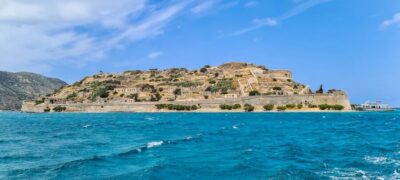
Day Trip to Agios Nikolaos and Spinalonga Island
Read our review →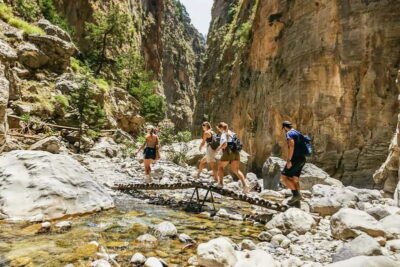
Full-Day Samaria Gorge Trek Excursion & Guide
Read our review →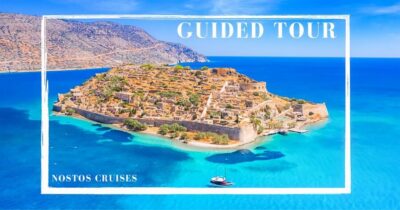

Dia Island Sailboat Cruise with Swimming and Meal
Read our review →
Knossos Palace Entry Ticket with Optional Audio Guide
Read our review →