
Reviewed · ACROPOLIS & ACROPOLIS MUSEUM TOURS
Acropolis monuments & Parthenon Walking Tour with Optional Acropolis Museum
The best part of this Athens tour is the way it turns a hilltop full of broken marble into a place you can understand. You walk from the Theatre of Dionysus to the Parthenon with a guide explaining the people, myths, building plans, and political ideas behind the ruins. I especially like the small groups of fewer than 20 and the audio system that keeps the guide audible when the site gets busy.
I also like the choice of booking only the Acropolis or adding both entry tickets and the Acropolis Museum. Guides such as Lisa, Anna, Aphrodite, and John D have received praise for making the material clear and lively. The main drawback is physical: expect steep paths, plenty of standing, strong sun, and roughly four hours on your feet.
In This Review
- Key points to know before booking
- Why a guided Acropolis visit helps
- Meeting at Porinou 5 and setting out
- The Theatre of Dionysus begins the story
- Herod Atticus Odeon and the south slope
- Propylaea, the grand entrance to the Acropolis
- Temple of Athena Nike, the small temple with a big role
- The Parthenon gets the longest look
- The Erechtheion and its caryatids
- One hour on the Acropolis hill
- Why add the Acropolis Museum
- Guide quality, group size, and listening
- Who should book this Acropolis tour
- Price, tickets, and cancellation details
- Should you book it?
- FAQ
- How long does the Acropolis and Parthenon tour last?
- Is the Acropolis Museum included?
- Are Acropolis entrance tickets included?
- How much is Acropolis admission?
- How much is the Acropolis Museum ticket?
- Where does the tour begin?
- Where does the tour end?
- What should I wear?
- Can visitors under 25 receive reduced admission?
Key points to know before booking
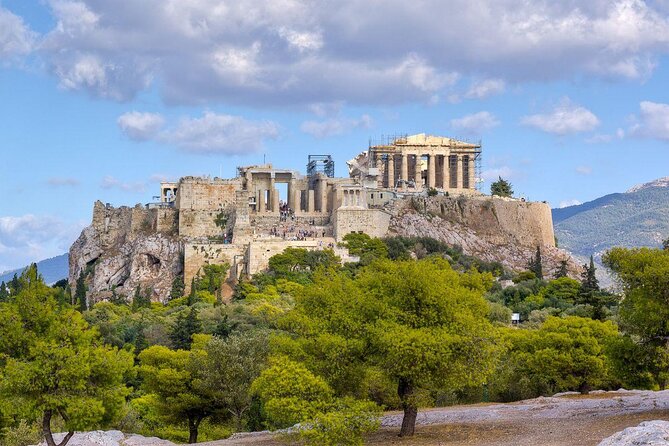
- The Parthenon is only part of the story: The route also covers the Theatre of Dionysus, Herod Atticus Odeon, Propylaea, Temple of Athena Nike, and Erechtheion.
- The museum option adds real value: You see sculptures, artifacts, and Parthenon material that make more sense after visiting the hill.
- You can choose the ticket package: Entry tickets may be included, or you can book a guiding option without them and arrange admission yourself.
- Headsets help on the Acropolis: Groups larger than five use a whisper system, so you can keep looking while hearing the guide.
- The walk is not flat: Comfortable shoes, a hat, and sun cream are practical necessities, not packing suggestions.
- The meeting office is close by: Check in at Porinou 5, near the Acropolis and public transportation.
Why a guided Acropolis visit helps
You can visit the Acropolis alone. The paths, monuments, and views are still impressive without a guide. But the site is easier to read when someone points out what you are seeing and explains why the buildings were put there.
A guide can connect the ruins to the wider religious and civic life of ancient Athens. The Parthenon was not simply a large temple on a hill. The Propylaea controlled the approach, the Temple of Athena Nike marked victory, and the Erechtheion had an unusual plan shaped by several cults and stories.
That context is the main reason to pay for this tour. Many ancient sites give you a view and a plaque. Here, you get a running explanation as you move from one monument to the next. Guides including Lisa, Anna, Aidli, Helen, Dionysus, and John D have been praised for clear explanations, good pacing, humor, and strong backgrounds in archaeology or classical art.
The tour is offered in English and runs for about four hours, depending on the option selected and the group’s pace. It is a good fit for a first visit, especially if you want the major monuments explained in one organized half-day.
More Museum Tours in Athens
- Athens: Acropolis, Parthenon & Acropolis Museum Guided Tour
★ 4.8 · 9,316 reviews - Athens: Mythology of Delphi, Museum and Arachova Guided Tour
★ 4.6 · 4,008 reviews - Athens: Acropolis, Parthenon & Acropolis Museum Guided Tour
★ 4.8 · 3,579 reviews
Meeting at Porinou 5 and setting out
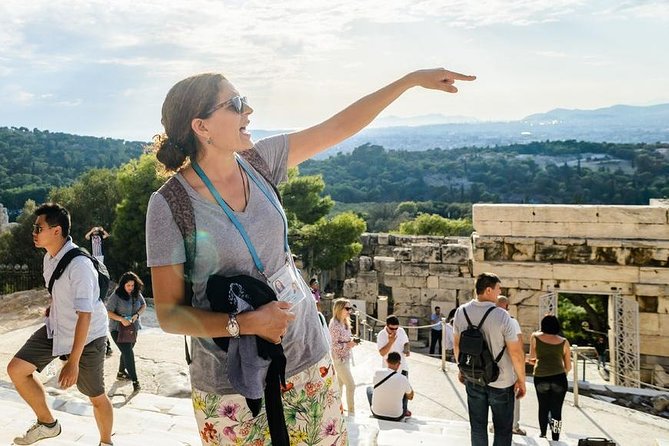
The tour begins at a professional check-in area at Porinou 5, Athens 117 42. The office is close to the Acropolis, has Wi-Fi, and is near public transportation. You do not receive hotel pickup, so allow enough time to find the meeting point.
From the check-in area, the group walks a short distance toward the Acropolis. Depending on your booking, the company supplies the entry tickets or you handle admission yourself. This distinction matters. If you choose an option without tickets, you must arrange the required entrance in advance through the official website.
The advertised base price is $42.33 per person, but the final value depends on what you add. An Acropolis ticket is listed at €30 per adult from April 2025, or €10 from November through March. The Acropolis Museum ticket is listed at €20 per adult. Add the guide, ticket convenience, and museum visit together, and the package can be a sensible buy for a first-time visit. If you already have admission arranged, the guiding-only option may suit you better.
The group limit is 20 people per guide. That is not a private tour, but it is small enough to keep the group together on the paths. Groups larger than five use a whisper guide system, which is especially useful when you are standing near a popular monument and do not want to miss the explanation.
The Theatre of Dionysus begins the story
The first major stop is the Theatre of Dionysus Eleuthereus, on the south slope of the Acropolis. The tour allows about 15 minutes here.
This is an excellent place to begin because it shows that the Acropolis was not just a temple complex. The theater formed part of the sanctuary of Dionysus and hosted the City Dionysia, a major festival tied to drama and worship. The first orchestra terrace was built around the middle to late sixth century BC.
You will not spend a long time here, and that is sensible. The theater deserves more study than a quick look, but the tour has a large amount of ground to cover. Listen for the guide’s explanation, look across the seating and stage area, and save a longer return visit for another day if ancient theater is a special interest.
Herod Atticus Odeon and the south slope
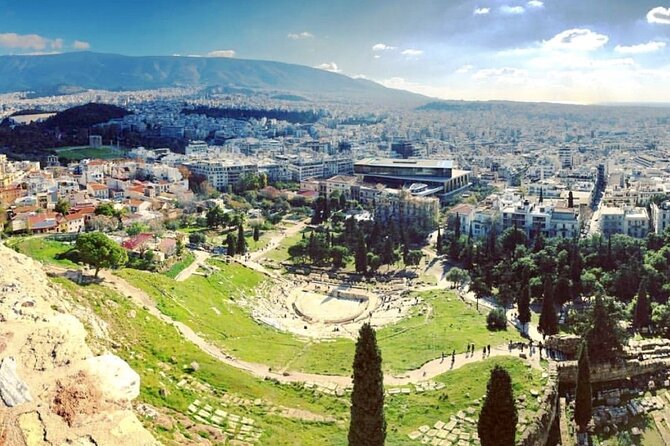
The route continues to the Odeon of Herodes Atticus, usually called the Herod Atticus Odeon. This stone Roman theater sits on the southwest slope and was completed in AD 161. It was renovated in 1950 and remains one of the most striking structures you can see before climbing higher.
The stop lasts about 15 minutes. You get time to admire the scale and take photographs, while the guide places the building in the Roman period rather than treating every Acropolis monument as purely classical Greek.
This is also where the physical nature of the visit becomes clear. You are walking uphill on archaeological paths, and some sections are steep. The guide generally sets a manageable pace, but you should not expect a leisurely stroll. The tour suits anyone with moderate physical fitness, provided you are comfortable with climbing and standing.
More Walking Tours in Athens
- Athens: Acropolis and Parthenon Guided Walking Tour
★ 4.6 · 5,882 reviews - Greek Food Walking Tour in Athens
★ 5.0 · 4,740 reviews - Acropolis: Acropolis and Parthenon Guided Walking Tour
★ 4.7 · 3,442 reviews - Athens Acropolis and Parthenon Walking Tour
★ 4.5 · 1,355 reviews
Propylaea, the grand entrance to the Acropolis
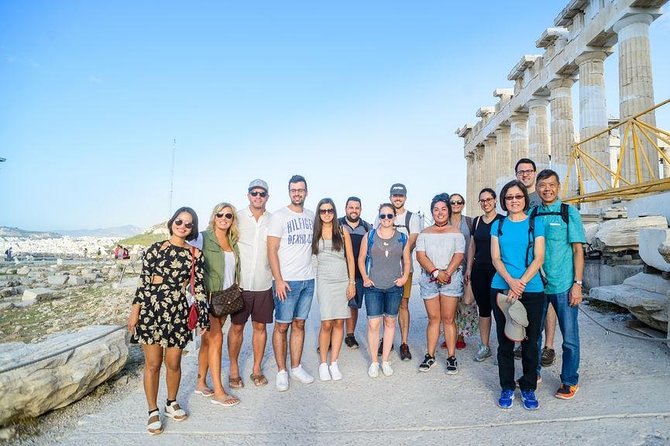
The Propylaea is the monumental gateway to the Acropolis. It was designed about 2,500 years ago, and its role is easy to grasp: this was the formal entrance into the sacred hilltop precinct.
The approach gives you an immediate sense of ceremony. Instead of wandering into the site from an ordinary doorway, you pass through a structure built to frame arrival. The guide can also help you distinguish the gateway from the nearby Temple of Athena Nike, which can blur together when you first see the Acropolis in person.
Plan for another 15-minute explanation here. The Propylaea is a short stop, but it gives the rest of the route a clear order. You are not just looking at isolated ruins. You are moving through an ancient entry sequence.
Temple of Athena Nike, the small temple with a big role
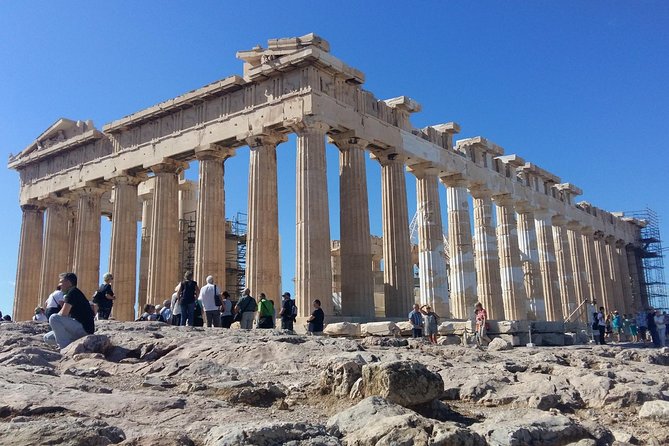
The tour includes the Temple of Athena Nike, with about 10 minutes listed for the first stop and another 15 minutes for the detailed visit. The repetition in the schedule reflects the route’s movement through the entrance area rather than two separate temples.
Athena Nike means Athena of Victory. Built around 420 BC, this is the earliest fully Ionic temple on the Acropolis. Its compact size makes it easy to overlook beside the Parthenon, but its position near the entrance was deliberate. It greeted those arriving at the summit with a message about protection and success.
The site’s ticket rules matter here. The attraction entry fee is not included unless you choose an option with Acropolis tickets. The itinerary also lists some monument stops as free, but you still need the overall Acropolis admission to enter the archaeological area.
The Parthenon gets the longest look
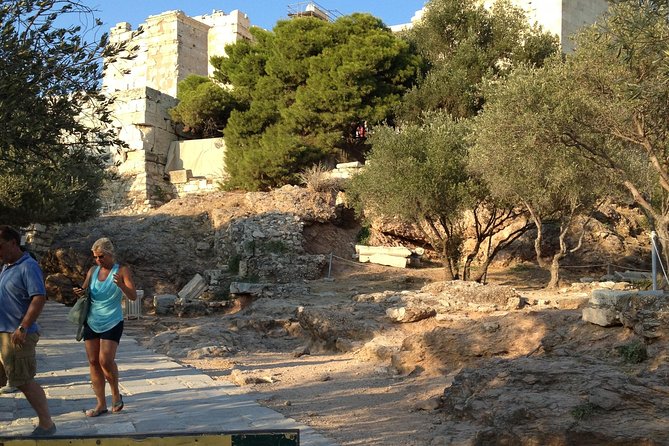
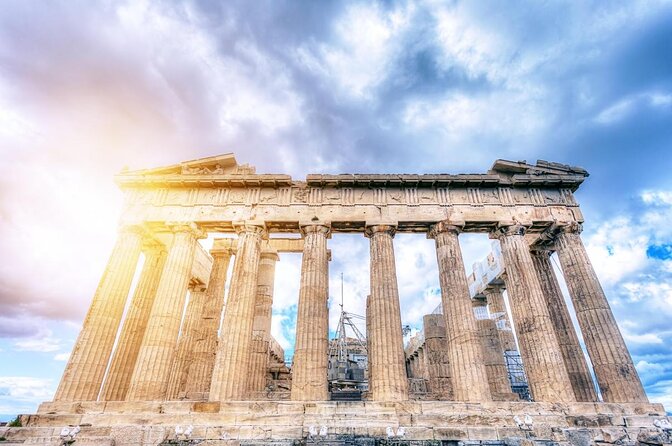
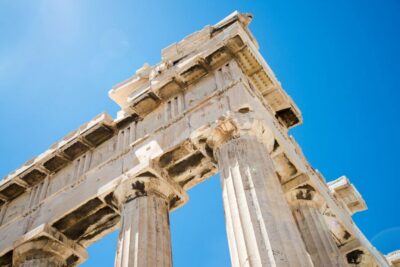
The Parthenon receives about 30 minutes, though the full Acropolis visit lasts around an hour. That is enough time for a structured explanation and photographs, but not enough for every architectural detail.
The temple was dedicated to Athena, the city’s patron goddess, and dates mainly to the fifth century BC. Your guide will likely focus on the building’s purpose, design, sculpture, and place in Athenian society. This is where a guide earns the fee. Without context, you see columns and scaffolding. With context, you can begin to understand the choices behind the building and the long sequence of damage, change, and preservation.
Crowds and weather can affect the experience. The open hilltop offers superb views, but little shade. Wear shoes with a firm grip, bring water, and use sun cream. A hat helps, especially during warmer months.
Do not expect to walk inside the Parthenon. The experience is about viewing the exterior, the surrounding ruins, and the setting. Leave room for photographs, but keep listening too. The guide’s explanation is what separates this from a quick photo stop.
The Erechtheion and its caryatids

The Erechtheion is one of the most distinctive buildings on the Acropolis. The stop lasts about 10 minutes, and the caryatid statues on the porch are usually the visual focus.
The building has an uneven plan because it served more than one religious purpose. That irregular shape can seem puzzling at first, so this is another place where an explanation adds value. The caryatids are not simply decorative figures. They form part of the structure’s visual language and are among the most recognizable images from ancient Athens.
You will see the monument from the protected visitor route rather than treating it as a place to wander freely. The guide can point out details you might miss while managing the group and the flow of people around the porch.
One hour on the Acropolis hill
The itinerary allows about an hour for the Acropolis itself, in addition to the individual monument stops. In practice, the exact rhythm depends on crowds, ticket checks, weather, and how much discussion your guide gives each site.
This portion combines walking, listening, viewing, and waiting. Some people find the amount of standing tiring, especially after a morning of sightseeing. A few comments about the tour describe the climb as vigorous even for reasonably fit people in their 60s. That is useful warning, not a reason to avoid the experience if you plan sensibly.
The views are a major reward. You can see across Athens from the summit, and the elevated setting helps explain why the Acropolis held such importance. Give yourself permission to pause. You do not need to photograph every angle or keep your eyes fixed on the guide every second.
If you arrive late, contact the company as soon as possible. The company has sometimes helped late arrivals join a later departure or catch up, but this is not something to count on. The safest plan is to reach Porinou 5 early.
Why add the Acropolis Museum
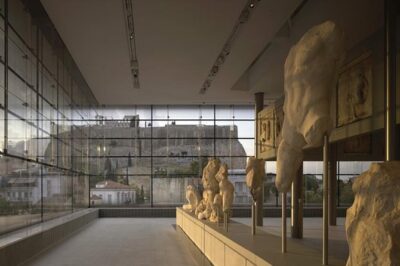
The museum option is the strongest upgrade for most first-time visitors. After the hilltop, you walk to the New Acropolis Museum and spend about an hour with artifacts and galleries connected to the monuments you have just seen.
The sequence matters. On the hill, you look at the buildings from outside. In the museum, you can examine sculpture and architectural pieces at close range. The Parthenon friezes receive particular attention, and the museum helps you understand how the decorative program related to the temple.
Guides such as Lisa, Anna, Aphrodite, and John D have been praised for their museum explanations, particularly their ability to make classical art and architecture easier to follow. A guide may focus on the most important objects rather than stopping at every case. That keeps the visit within the four-hour schedule, but it also means the museum portion can feel brisk.
The tour ends at the Acropolis Museum if you book the combined option. This is convenient because you can remain inside afterward and continue at your own pace. The museum ticket is not included unless you select the relevant package, and its listed adult price is €20 from April 2025.
One useful detail: the archaeological remains beneath the museum can be viewed from outside without buying a museum ticket. That does not replace the galleries, but it gives you another option if your time or budget is tight.
Guide quality, group size, and listening
The guide is the main reason to choose this experience instead of walking in alone. The strongest guide comments describe clear English, strong knowledge of archaeology, lively storytelling, patience, and a willingness to answer questions.
Names attached to especially positive experiences include Lisa, Aidli, Anna, Aphrodite, Helen, Annie, Dorina, Lydia, Dionysus, and Dionisios. You cannot assume which guide will lead your departure, but the company uses licensed professionals, and the guide quality appears to be a central part of the product.
The whisper system is a practical benefit. On a site where groups gather around the same few monuments, it lets you stand at a sensible viewing distance and still hear the explanation. It also reduces the need for the guide to shout.
The group limit of 20 is a fair compromise between cost and personal attention. You will not receive the same flexibility as on a private tour, but the size is manageable. If you want to ask many questions or move at your own pace, a private guide may fit better.
Who should book this Acropolis tour
I would choose this tour if you are visiting Athens for the first time, enjoy history, or want the major monuments explained in a set order. It is also useful for a solo visitor who wants an organized half-day without arranging every ticket and route alone.
The combined Acropolis and museum option suits you best if ancient sculpture, mythology, and architecture interest you. The museum adds an important second viewpoint and lets you see artifacts that cannot be appreciated fully from the hill.
You might skip the guide if you have already visited the Acropolis, have a strong background in classical archaeology, or prefer quiet independent sightseeing. You also need to think about the physical demands. Steep climbs, uneven paths, sun, and long periods of standing are part of the deal.
The 4.9 rating from 2,678 reviews and 97 percent recommendation figure point to a reliably strong experience, but they do not remove the practical drawbacks. The tour is only as enjoyable as your shoes, timing, weather preparation, and ability to keep moving with a group.
Price, tickets, and cancellation details
At $42.33 per person before optional additions, the tour is priced as a guiding service rather than a bare entry ticket. Its value improves if you want help understanding the monuments, need the ticket process simplified, and plan to visit the museum.
Check the exact package before paying. Acropolis entry is included only with options that say tickets are included. The listed adult Acropolis price is €30 from April 2025 and €10 from November through March. The museum entry is listed at €20 per adult from April 2025.
EU citizens under 25 enter the Acropolis free, while other visitors under 25 receive a 50 percent discount. People under 18 should bring a passport or identification, and anyone under 25 should carry a passport or a copy showing the birth date.
You can cancel for a full refund up to 24 hours before the local start time. Cancellations or changes inside 24 hours are not refunded or accepted. Poor weather or failure to reach the minimum group size can lead to a new date, another experience, or a full refund.
Should you book it?
Book this tour if you want the Acropolis to make sense, not just look impressive. The guide, organized route, small group, audio equipment, and optional museum visit give you a useful framework for Athens’ most important ancient site.
My preferred choice is the Acropolis and Museum package with tickets included, especially on a first visit. Choose the shorter option only if you have limited time, a tight budget, or a strong wish to explore the museum alone. Arrive early, bring identification if you qualify for a reduced ticket, and prepare for a steep, sunny walk.
FAQ
How long does the Acropolis and Parthenon tour last?
The experience lasts approximately four hours. The Acropolis Museum visit is included in that schedule only when you book the option with the museum.
Is the Acropolis Museum included?
The museum is included only when you select the Acropolis and Acropolis Museum option. The tour ends at the museum with that booking choice.
Are Acropolis entrance tickets included?
Tickets are included only with the options that specifically include entrance tickets. If you choose an option without tickets, you must arrange the Acropolis admission yourself.
How much is Acropolis admission?
The listed adult price is €30 from April 2025 and €10 from November through March. The price applies unless you book an option with the entrance ticket included.
How much is the Acropolis Museum ticket?
The listed adult Acropolis Museum price is €20 from April 2025. The ticket is included only if you choose the package that includes museum admission.
Where does the tour begin?
The meeting point is Porinou 5, Athens 117 42, Greece. The check-in area is close to the Acropolis, near public transportation, and has Wi-Fi.
Where does the tour end?
The Acropolis-only option ends at the Acropolis monuments. The option including the museum ends at the Acropolis Museum, Dionysiou Areopagitou 15.
What should I wear?
Wear comfortable shoes and bring a hat and sun cream. The tour includes steep climbs, walking on archaeological paths, and extended periods of standing.
Can visitors under 25 receive reduced admission?
EU citizens under 25 have free Acropolis admission. Other visitors under 25 receive a 50 percent discount. You must bring a passport or identification showing your birth date.
Recently reviewed around Athens
- Small-Group Women History in Ancient Greece Walking Tour★ 5.0 · 38 reviews
- Ceramic and Pottery Creative Workshop with Two Local Artists★ 4.0 · 57 reviews
- Athens: Wine Workshop Create your Own Wine under the Acropolis★ 5.0 · 77 reviews
- Athens: Greek Wines Tasting with Sommelier and Acropolis Views★ 5.0 · 88 reviews
- Small-Group Wine Tour in Athens with Tasting★ 5.0 · 33 reviews
- Wine Trails Private Tour/ Nemea visit 3 wineries from Athens or Nafplion (10 h)★ 5.0 · 44 reviews
- Hydra Private Day Trip by Ferry from Athens with Transfers★ 4.0 · 30 reviews
- Private Athens Transfer Airport/Port -Greek Tours-Hourly service★ 5.0 · 88 reviews
Acropolis & Acropolis Museum Tours, compared.
Acropolis & up to 5 Archaeological Sites Combo Pass
Read our review →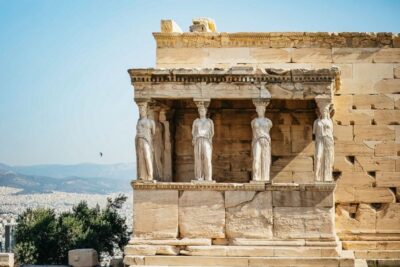
Acropolis, Parthenon & Acropolis Museum Guided Tour
Read our review →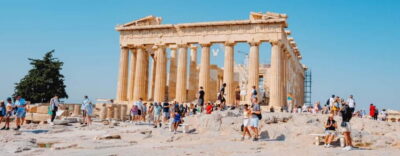
Acropolis, Parthenon & Acropolis Museum Guided Tour
Read our review →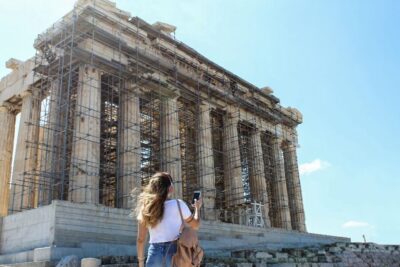

Athens All Included: Acropolis and Museum Guided Tour with Ticket
Read our review →Browse the lists this tour appears in