
Reviewed · GREEK COOKING CLASSES
Chania: Authentic Cooking Class
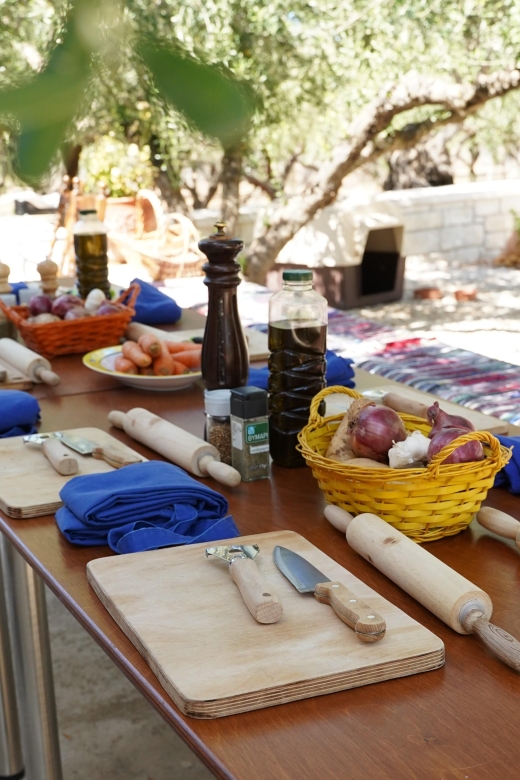
The best part of this Chania cooking class is that it takes you out of the old town and into a real family setting in Nerokourou, where lunch or dinner unfolds beneath olive and avocado trees. Veerna leads the cooking, with family members often joining in, greeting the group, sharing stories, and helping turn a class into a sociable Cretan meal.
I like the garden-to-table ingredients, and I like the way the food comes with context. You do not simply chop vegetables and follow a recipe. You hear why the wood-fired lamb is called the thieves dinner, learn the small skill behind rolling grape leaves, and make kalitsounia, traditional cheese and wild-green pies that Veerna has prepared and sold for years.
The main consideration is transport. The property is about 10 to 15 minutes from central Chania, but your class price does not include transportation. A taxi or rental car is simple, and an arranged transfer is available for an added fee. The four-hour class can also run closer to four and a half hours, so do not schedule a tight evening afterward.
In This Review
- Key points at a glance
- From Chania town to a family olive grove
- Greek coffee, homemade treats, and the menu
- The thieves dinner begins in the wood-fired oven
- Garden herbs, stuffed vegetables, and dolmades
- Rolling dough for Veerna’s kalitsounia
- Tzatziki and dakos come last, but eat first
- Sitting down to a Cretan meal
- What makes the $129 price worthwhile
- Practical details before you book
- Who will enjoy this class most
- Should you book the Chania Authentic Cooking Class?
- FAQ
- How far is the cooking class from Chania?
- Is transportation included?
- What dishes will I prepare?
- Are food and drinks included?
- Is the class suitable for beginners and families?
- Can I cancel or pay later?
Key points at a glance
- A family home in Nerokourou: Cook in a picturesque property near Chania rather than in a formal city kitchen.
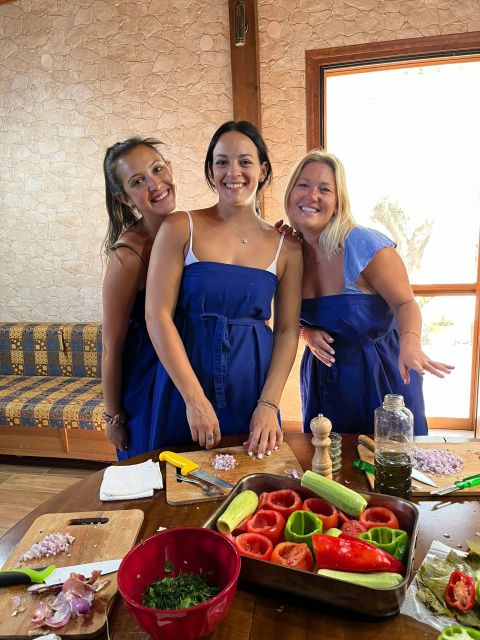
- Five central Cretan dishes: Prepare oven-roasted lamb, stuffed vegetables, dolmades, kalitsounia, tzatziki, and dakos.
- The thieves dinner story: Learn the history behind the lamb dish while it cooks slowly in a wood-fired stone oven.
- Produce from the garden: Pick herbs and vegetables for the stuffing, with other ingredients supplied by local farmers.
- A full meal with drinks: Your food, lunch or dinner, dessert, generous local wine, and raki are included.
- Easy for families and mixed abilities: English instruction, a wheelchair-accessible setting, and vegetarian alternatives are available.
From Chania town to a family olive grove
This class is held in Nerokourou, around 10 to 15 minutes from central Chania. The change of scene matters. Instead of spending another evening among restaurants around the Venetian harbor, you get a look at the green, rural side of the area without committing to a full day in the countryside.
If you drive, the property is easy to reach and you can park along the fence. A taxi is another practical choice. One recent booking from the cruise port cost about €20 by cab, though your own fare will depend on the pickup point and traffic.
Transfers can be arranged for an extra fee. The service uses a nine-seat van and a five-seat electric vehicle, and you might share the ride with other people attending the class. Ask about the cost and pickup when booking, since transport is not included in the $129 activity price.
The setting is one of the strongest reasons to choose this experience. The cooking area looks over the family olive farm, with garden space, farm animals, and puppies noted by one family group. You are invited into the family’s home, so the atmosphere is more personal than a standard cooking studio.
More Cooking Classes in Crete
- Chania: Authentic Cooking Class in the White Mountains
★ 4.9 · 529 reviews - Chania Cooking Class-The Authentic Enjoy traditional Cretan meal
★ 5.0 · 339 reviews - Full-Day Jeep Safari Tour with Cooking Lesson
★ 5.0 · 284 reviews
Greek coffee, homemade treats, and the menu
The class begins with a homemade refreshment or Greek coffee from Veerna. Cookies come with the drink, giving everyone time to settle in and meet the group before the work begins.
This opening is useful, not filler. Veerna introduces the Mediterranean-based menu and explains what you will make, how the dishes fit together, and which items need the longest cooking time. The pace is carefully arranged so you are usually preparing something, listening to an explanation, or enjoying a short break rather than waiting around.
The class is taught in English. Veerna is the main host and instructor, while family members such as Kostas and Nikos have helped with teaching, conversation, and transport. The mood appears to be lively and informal, but the instruction remains clear enough for first-time cooks.
You should expect a social group activity rather than a private lesson. That can be a plus if you enjoy meeting people from different countries at the table. It may be less appealing if you want one-to-one coaching or a quiet, highly polished demonstration.
The thieves dinner begins in the wood-fired oven

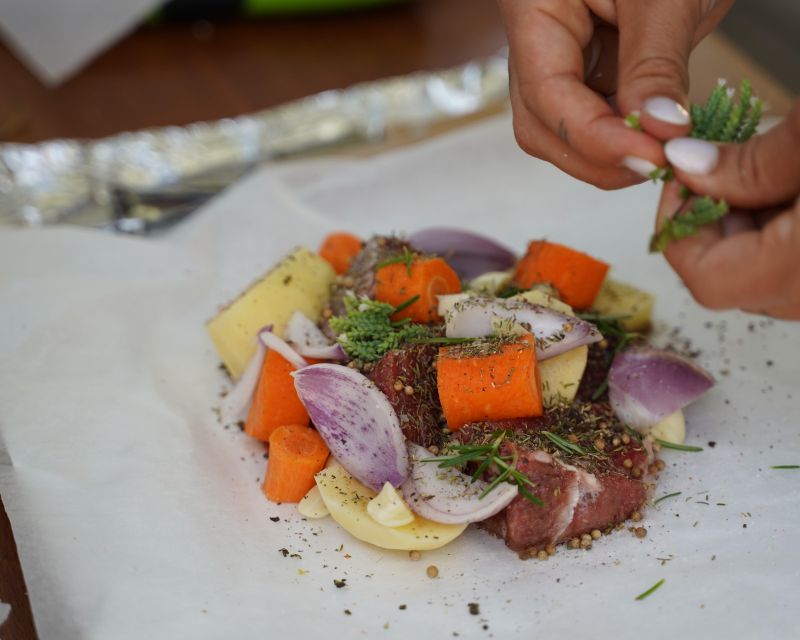
The first major dish is oven-roasted lamb. It goes into the wood-fired stone oven early, giving it more than two hours to cook while you work on the other recipes.
The dish is called the thieves dinner because of its historic connection to cooking lamb discreetly in a covered oven or pit. The story gives the recipe a sense of place. You are not just learning how to roast meat; you are hearing how food, local custom, and difficult periods in Cretan life meet in one dish.
The timing is smart. The lamb cooks in the background while the group prepares the rest of the meal. If you are not a meat eater, a vegetarian alternative can be provided, as one booking specifically noted. Mention dietary needs in advance so the kitchen can plan properly.
Do not expect a quick recipe you can reproduce in 30 minutes. The lamb is part of a larger meal and depends on the long oven time. That makes it satisfying at the table, but the class is more about understanding the dish and enjoying it in its proper setting than learning a fast weekday version.
Garden herbs, stuffed vegetables, and dolmades
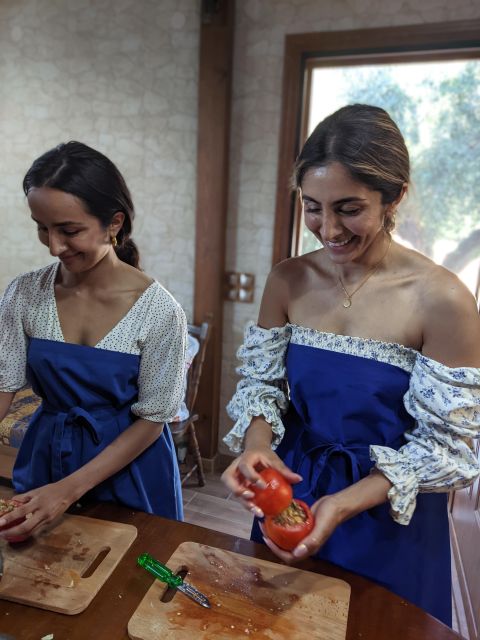
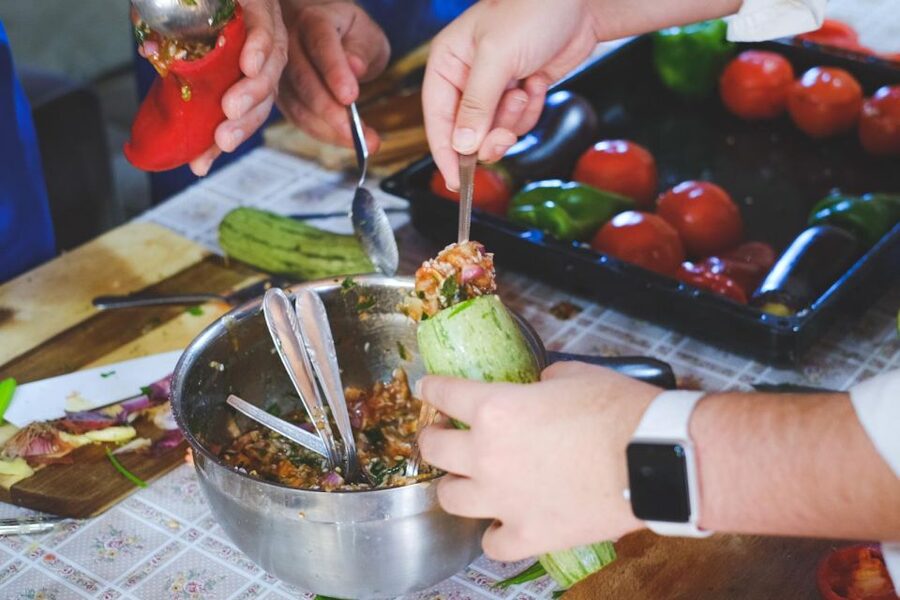
Next, you gather herbs and vegetables from the garden for the stuffing. This is where the setting earns its keep. Fresh produce is not simply described as local, you can see where some of it comes from and handle it before cooking.
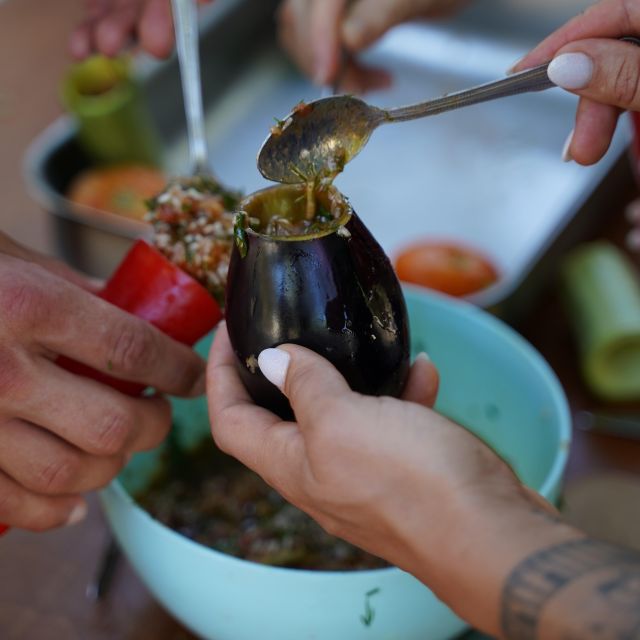
You prepare stuffed vegetables along with dolmades, grape leaves filled with a seasoned mixture. Rolling the leaves takes a light touch. Roll too loosely and the filling escapes. Roll too tightly and the parcels have no room to expand.
Veerna demonstrates the technique, then lets you practice. This is the sort of small kitchen skill that stays with you because you learn it through your hands. You may not produce uniform dolmades on the first try, but you will leave knowing how to fold and roll them.
The stuffed vegetables and grape leaves go into the oven. While they cook, the class can shift outdoors to the olive orchard, herb garden, or surrounding property. The ability to move between food preparation and the grounds helps the four-hour schedule feel varied.
More Chania trips worth a second look
- Athens: Classic Cooking Class with Market Visit and Wine
★ 5.0 · 1,101 reviews - Athens: Food Market Visit and Cooking Class with Wine
★ 4.9 · 1,087 reviews - Greek Cuisine Cooking Class in Santorini with Recipes and Wine
★ 5.0 · 969 reviews - Naxos: Half-Day Cooking Class at Basiliko Family Tavern
★ 5.0 · 887 reviews
Rolling dough for Veerna’s kalitsounia
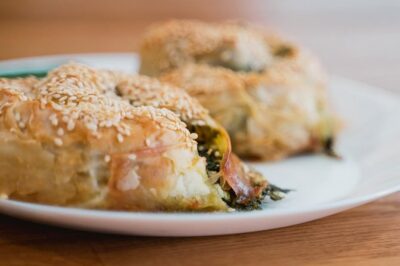
The kalitsounia are likely to be one of the class highlights. These traditional Cretan pies use dough filled with cheese and wild greens, and Veerna is especially associated with making them.
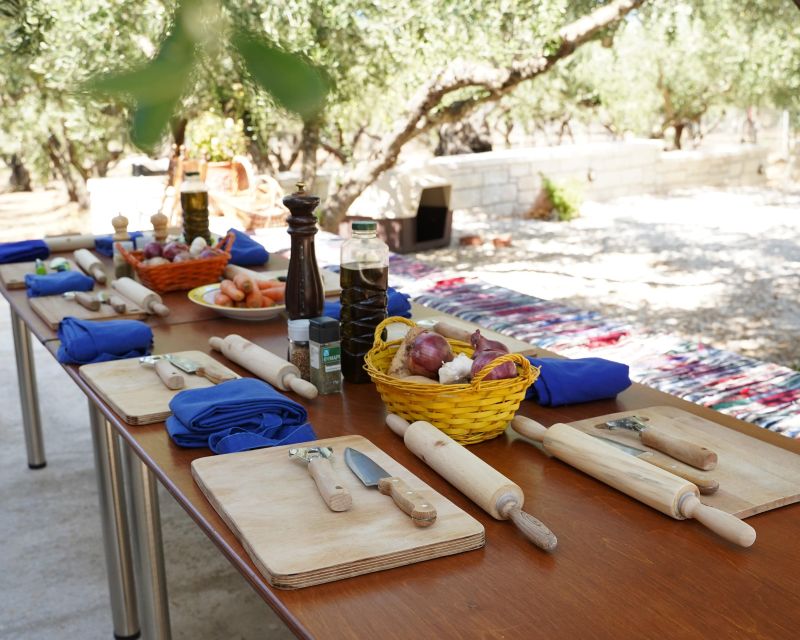
You roll out the dough with rolling pins, add the filling, and shape the pies before they cook. Several people who had never made phyllo or similar dough found the process approachable, though you should still expect a little practice. The point is not perfect pastry. It is learning a useful method and understanding how a simple filling becomes a distinctive Cretan snack.
This recipe also gives the class a strong connection to local food traditions. Wild greens and fresh cheese are not decorative extras. They show how Cretan cooking often relies on modest ingredients, careful seasoning, and good technique rather than complicated sauces.
If you want recipes to use at home, this is an important detail: the recipes are sent afterward. That makes the $129 price more useful than a meal alone, since you receive practical material for repeating the dishes once you are back in your own kitchen.
Tzatziki and dakos come last, but eat first
The appetizers are made toward the end, after the baked dishes are underway. You prepare tzatziki and dakos, two simple foods that are ideal for snacking while the main dishes finish.
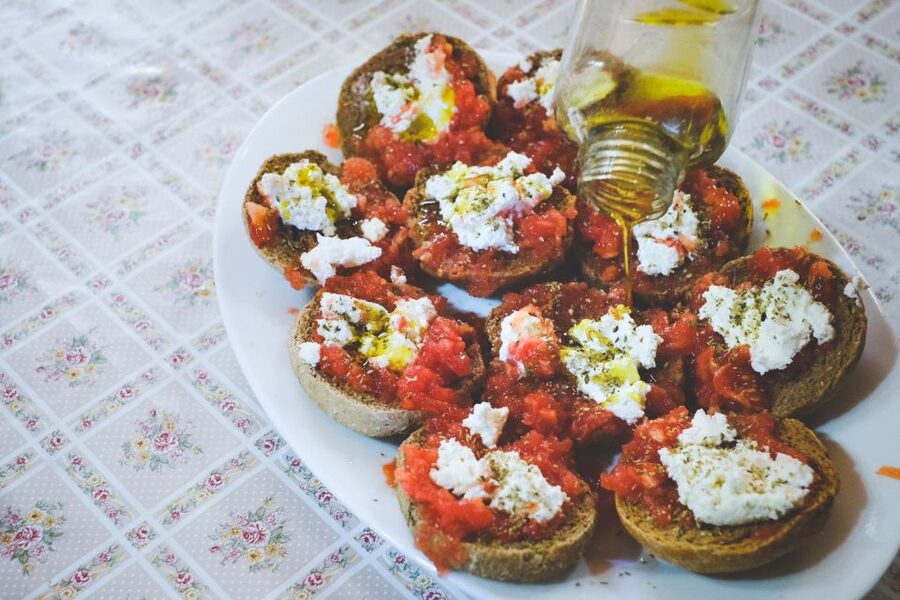
Tzatziki needs little introduction, but making it in this setting helps you pay attention to the balance of yogurt, cucumber, garlic, and herbs. Dakos is a Cretan staple built around barley rusk, tomato, cheese, olive oil, and seasoning. It is sturdy, fresh, and easy to recreate.
The order is practical. You can taste these appetizers first, then continue chatting as the lamb and stuffed dishes finish. The meal builds in stages instead of arriving all at once, which keeps the class active and gives you time to ask questions.
The menu also works well for a family group. One booking included children aged 11 and 14, who took part and even ate the vegetables. That does not guarantee every child will enjoy four hours of cooking, but the friendly pace and hands-on tasks make this a reasonable choice for families with older children.
Sitting down to a Cretan meal
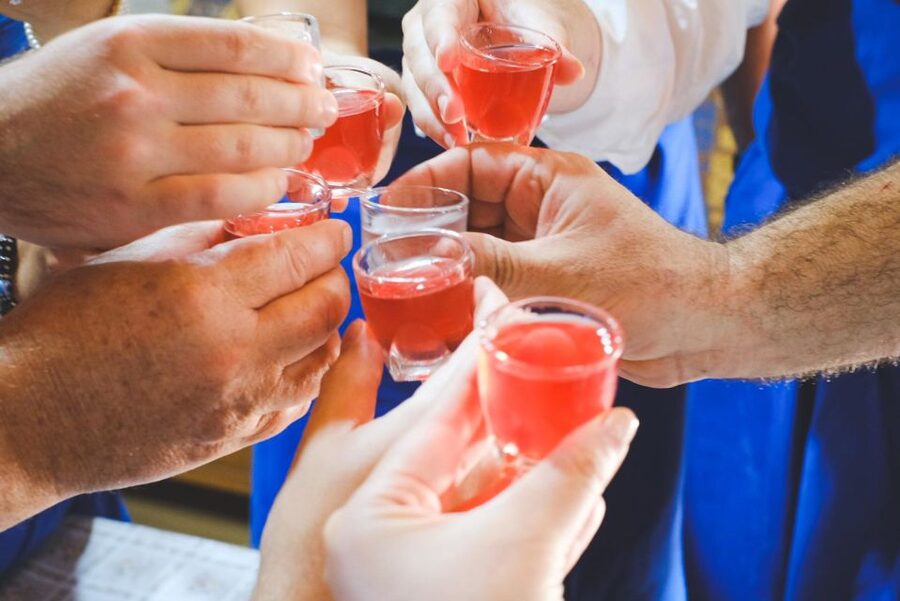
At the end, you sit together and eat the food you prepared. Lunch or dinner is included, along with generous amounts of local wine and raki. Dessert is also served, so plan to arrive hungry and avoid booking a large restaurant meal immediately afterward.
The final meal is the emotional center of the activity. You have worked with the same people for several hours, watched the food develop, and shared drinks during the process. Eating together at the family property feels more personal than receiving a plate prepared entirely by someone else.
The wine and raki are generous, so pace yourself. Raki is often offered as a friendly finish in Crete, but it can be strong. If you do not drink alcohol, the cooking class still has plenty to offer, though the supplied information does not specify an alternative drinks menu.
Leftovers may be available. One booking received takeaway boxes for the following night, but this should not be treated as a guaranteed part of every class. Ask Veerna or the staff at the meal if you would like to take anything home.
What makes the $129 price worthwhile
At $129 per person, this is not the cheapest way to eat in Chania. You can have a good Cretan meal in town for less, and you can buy many of the same ingredients at a market or grocery store.
The value is in the four-hour combination of instruction, food, setting, drinks, and personal contact. You receive a full meal rather than a tasting plate, and you help prepare several substantial dishes. Ingredients, cooking equipment, dessert, local wine, and raki are included.
I would consider the price fair if you want an activity as well as dinner. It is especially good value for people who care about food, enjoy meeting others, or want recipes and techniques they can use at home. It is less compelling if your only goal is a low-cost meal or a short demonstration.
The class has received a perfect 5.0 rating from 74 bookings, with repeated praise for the food, welcoming family atmosphere, clear instruction, and beautiful grounds. One booking called it a four-and-a-half-hour experience, so the actual value may include more time than the advertised four hours, though you should allow for that extra half hour in your plans.
Practical details before you book
The class is wheelchair accessible. Since the experience includes movement between the kitchen, garden, orchard, and dining area, confirm any specific access needs when you reserve.
English is the listed teaching language. The class is suitable for beginners, and the recipes are explained step by step. You do not need advanced cooking skills, though you should be ready to participate rather than simply watch.
Cancellation is free up to 24 hours before the activity for a full refund. You can also reserve now and pay later, which helps if you are still arranging your Chania schedule.
For transport, the exact meeting point is available at:
https://maps.app.goo.gl/wpZmnMxncUJFNKZc9?g_st=ic
If you are arriving by cruise ship, allow time for the taxi ride from the port and for the return. A past booking found the cab trip straightforward, but it is wise to confirm the return plan before the class starts.
Bring a relaxed attitude and clothes suitable for cooking. The available information does not specify an apron or a formal dress code, so ask if you want to know what is supplied. Also tell the host about dietary restrictions, allergies, or mobility concerns in advance.
Who will enjoy this class most
I would choose this for you if you want to connect food with family life and local tradition. The strongest parts are the personal welcome, the garden produce, the stories behind the dishes, and the long shared meal.
It is a good match for couples, families with older children, solo visitors who enjoy meeting new people, and cruise passengers seeking something beyond the usual port excursion. Several people joined alone or with family groups and found the group easy to connect with.
It may not suit you if you want a quick, private, or highly technical cooking lesson. The mood is social, the class can run longer than four hours, and the experience depends on sharing attention with other people.
The class also works well for repeat visitors to Crete. You get a view of Chania beyond the harbor, and the recipes give you a way to carry part of the island home. For a first visit, it adds a human side to Cretan food that a restaurant meal cannot provide.
Should you book the Chania Authentic Cooking Class?
Yes, if you want a substantial food experience with real participation, not just a demonstration. Veerna and her family provide the central appeal: you cook in their home setting, use garden and local ingredients, hear the stories behind the dishes, and finish around a table with wine, raki, dessert, and new cooking skills.
Book it with two conditions in mind. Arrange transport early because it costs extra, and leave your evening open for at least four and a half hours. If those details work for you, this is one of the stronger ways to spend an afternoon or evening near Chania, especially if you want food, family warmth, and a taste of rural Crete in the same experience.
FAQ
How far is the cooking class from Chania?
The class is located in Nerokourou, about 10 to 15 minutes from central Chania. It is accessible by car or taxi.
Is transportation included?
Transportation is not included in the activity price. A transfer service is available for an extra fee, using a nine-seat van or a five-seat electric vehicle. You may share the vehicle with other people attending the class.
What dishes will I prepare?
The class covers oven-roasted lamb, stuffed vegetables, stuffed grape leaves called dolmades, kalitsounia filled with cheese and wild greens, tzatziki, and dakos.
Are food and drinks included?
Yes. Ingredients, cooking equipment, lunch or dinner, dessert, generous amounts of local wine, and raki are included.
Is the class suitable for beginners and families?
Yes. The instruction is in English and the recipes are explained step by step. Families with children have taken part, including children aged 11 and 14.
Can I cancel or pay later?
You can cancel up to 24 hours in advance for a full refund. Reserve now and pay later is also available.
More Workshops in Chania
- Greek Cooking Class in Athens Including Rooftop Dinner with Acropolis View
★ 5.0 · 826 reviews - Greek Small-Group Athens Cooking Class & Dinner
★ 5.0 · 574 reviews - Naxos:Half-day cooking class at Basiliko
★ 5.0 · 457 reviews - Athens: Greek Cooking Class & Dinner on a Rooftop
★ 5.0 · 383 reviews
Recently reviewed around Chania
- Crete Wine and Olive Oil Tour★ 5.0 · 272 reviews
- From Chania Private half day Winery-Olive factory-Kournas lake★ 5.0 · 50 reviews
- Wine & Olive Oil Tour with lunch at the White Mountains★ 5.0 · 71 reviews
- Private Boat Trip Chania – Balos (price is per group-up to 9 people)★ 5.0 · 60 reviews
- Sea Kayak Tour of Chania’s Old Venetian Port★ 5.0 · 37 reviews
- Samaria Gorge Trek: Full-Day Excursion from Chania with Guide★ 4.5 · 51 reviews
- Cruise Ship Guest Beer & Food Tour – Chania Old Port★ 5.0 · 26 reviews
- The Delicious Chania Street Food Tour★ 5.0 · 138 reviews
Greek Cooking Classes, compared.
Classic Cooking Class with Market Visit and Wine
Read our review →
Food Market Visit and Cooking Class with Wine
Read our review →
Greek Cuisine Cooking Class in Santorini with Recipes and Wine
Read our review →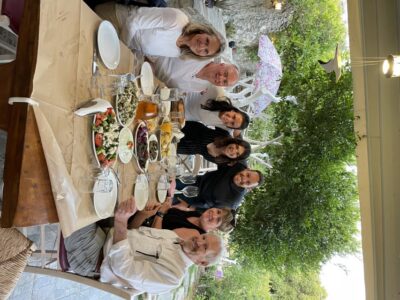
Half-Day Cooking Class at Basiliko Family Tavern
Read our review →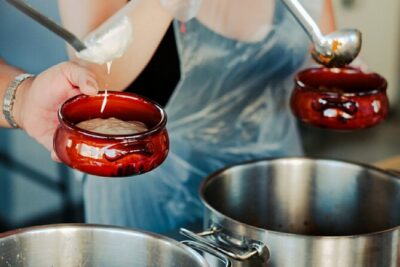
Greek Cooking Class in Athens Including Rooftop Dinner with Acropolis View
Read our review →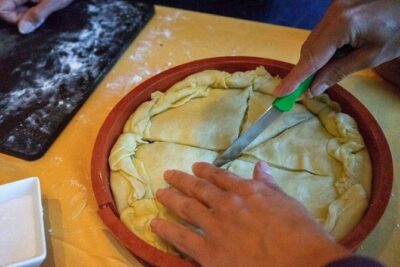
Greek Small-Group Athens Cooking Class & Dinner
Read our review →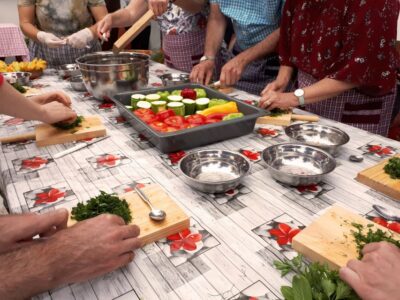
Authentic Cooking Class in the White Mountains
Read our review →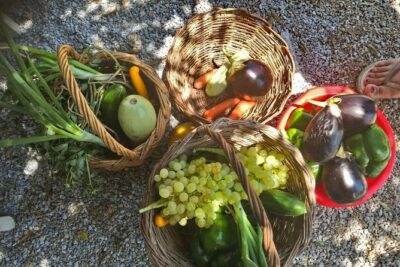
Browse the lists this tour appears in