
Reviewed · GREEK COOKING CLASSES
Chania: Authentic Cooking Class in the White Mountains
The best part of this Chania cooking class is that it takes you into a real Cretan family home, not a polished school kitchen. You’ll walk through the vegetable garden, hear stories about olive farming and family life, help prepare traditional dishes, and sit down to eat with the people who welcomed you in.
I especially like the fresh herbs and vegetables picked from the garden, plus the easy mix of food, local wine, animals, history, and scenery. Guides including Alex, Yannis, Costas, and Giannis are praised for making the drive and the class lively. The main consideration is timing: this is a full six-hour outing, and some departures return to Chania after 11 p.m.
In This Review
- Key points to know
- From Chania to the White Mountains
- A garden lesson before the cooking begins
- Olive trees, shepherds, and stories of village life
- Cheese, wine, and the Cretan table
- Making ntakos, tzatziki, and dinner
- What the six-hour length really means
- Is $129 a fair price?
- Who will enjoy this most?
- A few practical points before booking
- Should you book the White Mountains cooking class?
- FAQ
- How long does the cooking class last?
- What is included in the price?
- Where does pickup take place?
- Is transportation provided?
- What food will I prepare?
- Is the class taught in English?
- What should I bring?
- Can I cancel the booking?
- Can I reserve now and pay later?
Key points to know
- Family setting: Cook and eat at a welcoming home and farm below the White Mountains.
- Garden-to-table cooking: Use freshly harvested vegetables, herbs, olive oil, and other local ingredients.
- More than a cooking class: Expect stories about Cretan culture, olive harvesting, family history, and village life.
- Mountain views and animals: Walk to a shepherd’s area and, depending on the day, feed sheep or goats.
- A full shared meal: Prepare appetizers such as ntakos and tzatziki, then enjoy dinner with local wine and traditional jar desserts.
- Strong value at $129: Pickup, transport, instruction, ingredients, tastings, dinner, recipes, photos, and small gifts are included.
From Chania to the White Mountains
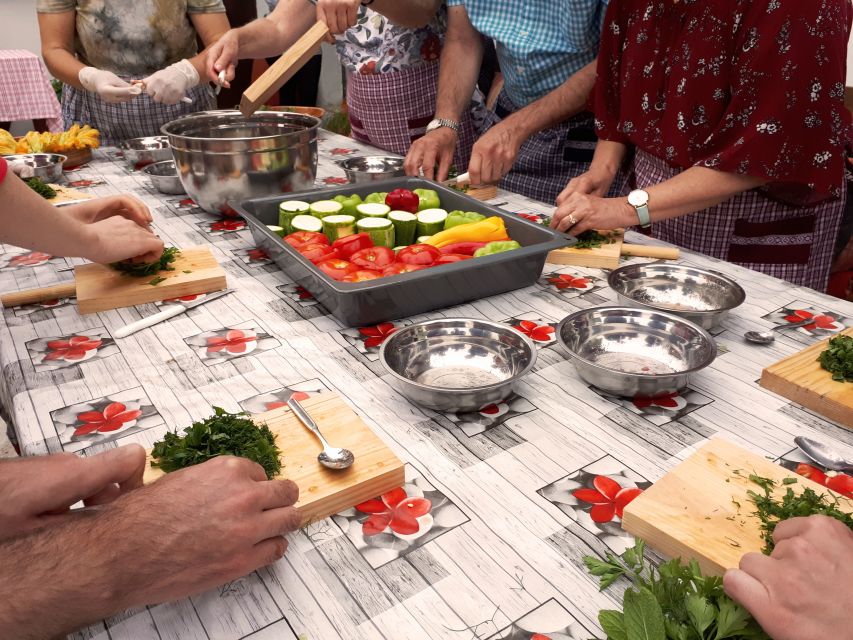
Your afternoon or evening begins with pickup at a specified location in the Chania region. Check the pickup points carefully when booking, since transportation is included only from listed locations. If your hotel is outside the pickup area, you may need to reach one of the meeting spots yourself.
The ride takes place in an air-conditioned minivan with a local driver and guide. This part matters more than it might seem. The drive is not just a transfer to a cooking venue. Guides such as Alex, Yannis, Costas, and Giannis have filled the trip with information about Cretan food, local customs, history, and the countryside.
The exact guide depends on the date, but the pattern is clear: the guide acts as driver, translator, storyteller, and host. Alex is often singled out for his humor and warm manner, while Yannis and Costas are praised for keeping the journey interesting and well organized. That gives the outing a friendly feel from the start, especially if you are traveling alone.
The setting is at the base of the White Mountains, with views across the surrounding countryside and, in some descriptions, down toward the bay. This is a marked change from Chania’s old town and busy waterfront. You trade polished streets for a working rural setting, family land, fruit trees, animals, and open views.
More Cooking Classes in Crete
- Chania Cooking Class-The Authentic Enjoy traditional Cretan meal
★ 5.0 · 339 reviews - Full-Day Jeep Safari Tour with Cooking Lesson
★ 5.0 · 284 reviews - Cretan Cooking Class and Olive Oil Tasting
★ 5.0 · 178 reviews
A garden lesson before the cooking begins
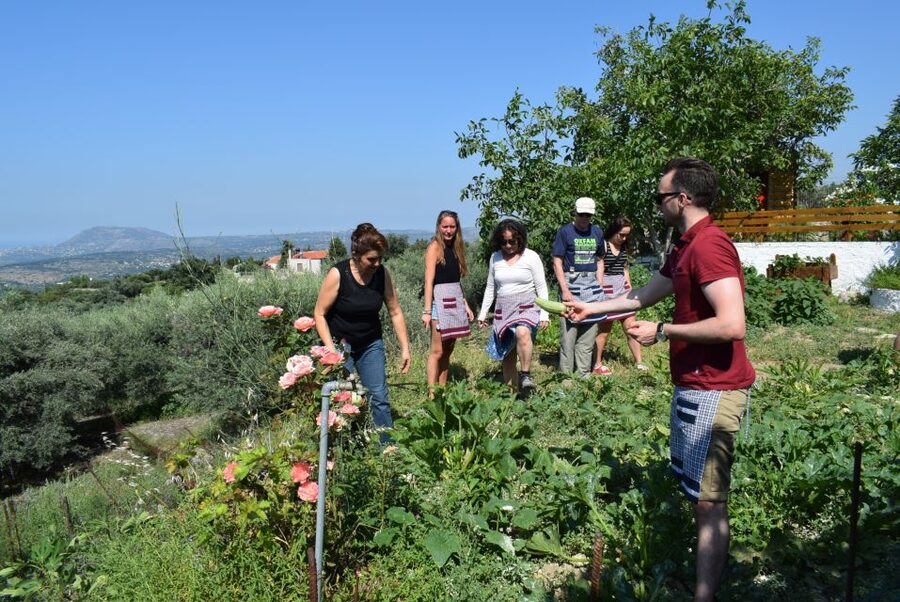
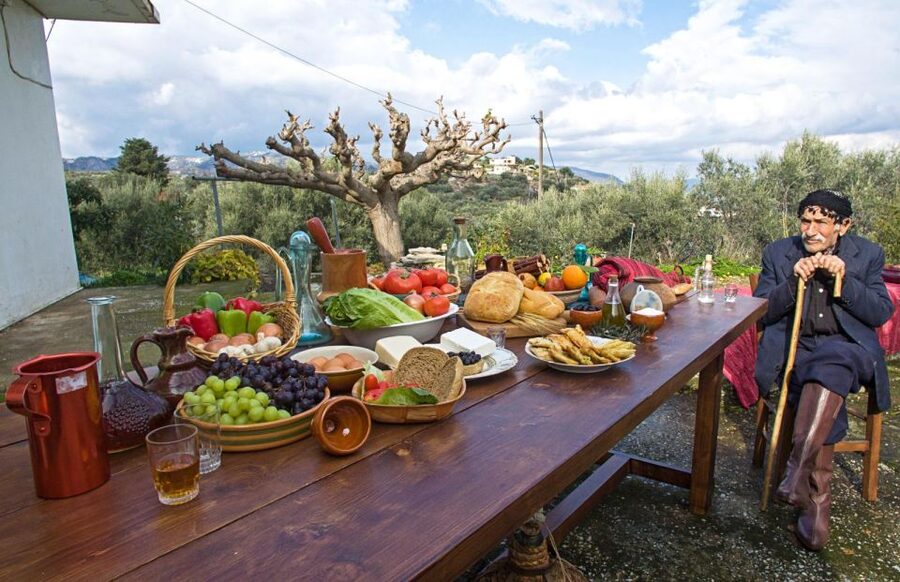
The class starts with a stroll through the vegetable garden. You get to see the ingredients before they reach the table, including freshly picked vegetables and aromatic herbs used in Cretan cooking.
I like this simple beginning because it explains the food better than a lecture alone. You see that the meal is built around produce, herbs, extra virgin olive oil, locally sourced meat, and a few carefully used staples. The emphasis is on the kind of home cooking associated with the Mediterranean diet, with fresh ingredients doing most of the work.
The garden also gives you a chance to ask questions about the plants and how they fit into local recipes. This is not a formal botany lesson, but it connects the finished dishes to the land around you.
The pace is generally relaxed. You are not expected to race through a long list of restaurant-style preparations. Instead, the cooking is presented as something shared, practical, and social. You may work alongside other members of the group, which makes this a good choice if you like meeting people while traveling.
Olive trees, shepherds, and stories of village life
A short mountain walk takes you toward a shepherd’s enclave. The exact walking conditions are not described in detail, so wear comfortable shoes and expect an outdoor section rather than a strenuous hike.
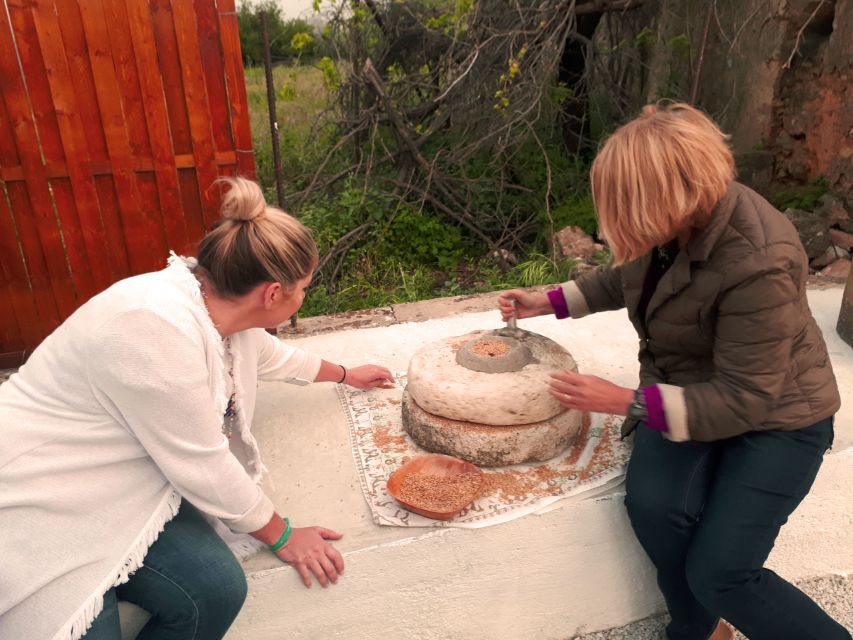
This stop adds useful context to the meal. Cretan food is closely tied to farming, grazing, olive trees, and seasonal produce. Hearing how olive harvesting works, then seeing the rural setting where these traditions still matter, gives the cooking more meaning.
Several accounts also describe opportunities to feed sheep or goats. This is one of the small pleasures that makes the day feel different from a standard cooking workshop. You are not simply shown a recipe and sent home with a certificate. You get a look at the animals, gardens, home, and land that shape the local way of eating.
The family property itself is part of the experience. The old house has been restored, with family photographs and personal touches that help explain the connection between the home and the surrounding land. One particularly memorable detail is a beautifully restored bathroom, showing that this is a lived-in family place rather than a staged cooking venue.
Some guides add wider historical stories, including information about Cretan customs and, on certain outings, World War II history. The amount of history depends on your guide and the questions in your group, but the tour is designed to give you more than recipes.
Cheese, wine, and the Cretan table
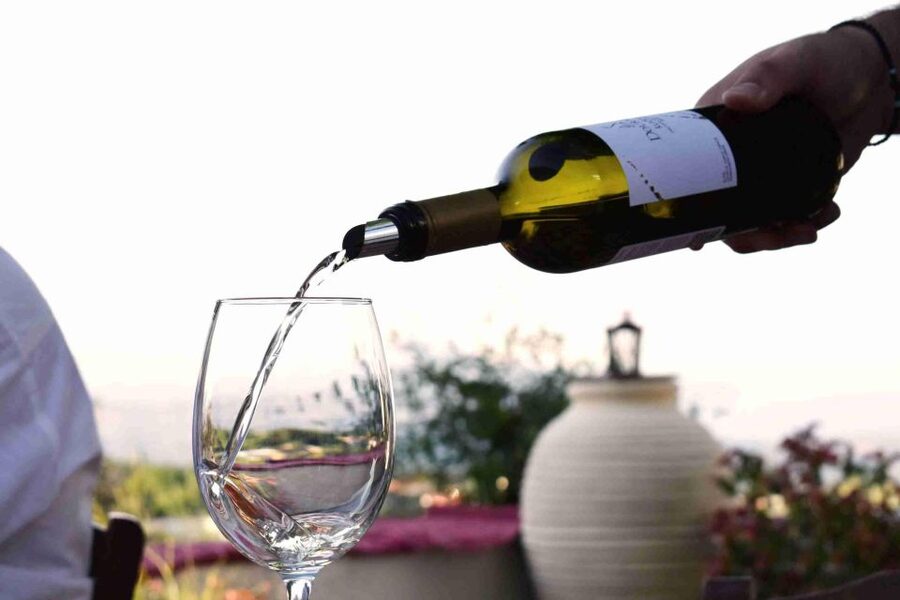
Back at the house, the food portion begins with local cheese and wine tasting. You may also be welcomed with raki, a traditional Cretan spirit, as described in several accounts. Drink at your own pace, especially if you are taking part in an afternoon-to-late-evening outing.
The wine tasting is not presented as a formal winery visit. Instead, it works as part of a family meal and a conversation about local food. You may hear stories about the wine, olive oil, and produce on the property. A small on-site shop has also been described, with olive oil, wine, herbs, and beauty products available for purchase.
The cheese and wine provide a pleasant introduction to the flavors you will use later. They also give the group time to settle in before cooking. This social pause is valuable because the class is as much about sharing a table as it is about learning a technique.
If you prefer a tightly structured culinary lesson with precise measurements and professional kitchen equipment, this may feel informal. If you want to understand how food fits into everyday Cretan hospitality, the relaxed approach is the point.
More Crete trips worth a second look
- The Real Cretan Cooking Experience
★ 5.0 · 528 reviews - Moires: Cooking Class and Olive Oil Tasting at a Family Farm
★ 5.0 · 93 reviews - Crete: Sightseeing Day Trip with Cooking Lesson and Lunch
★ 4.8 · 77 reviews - Chania: Authentic Cooking Class
★ 5.0 · 74 reviews
Making ntakos, tzatziki, and dinner
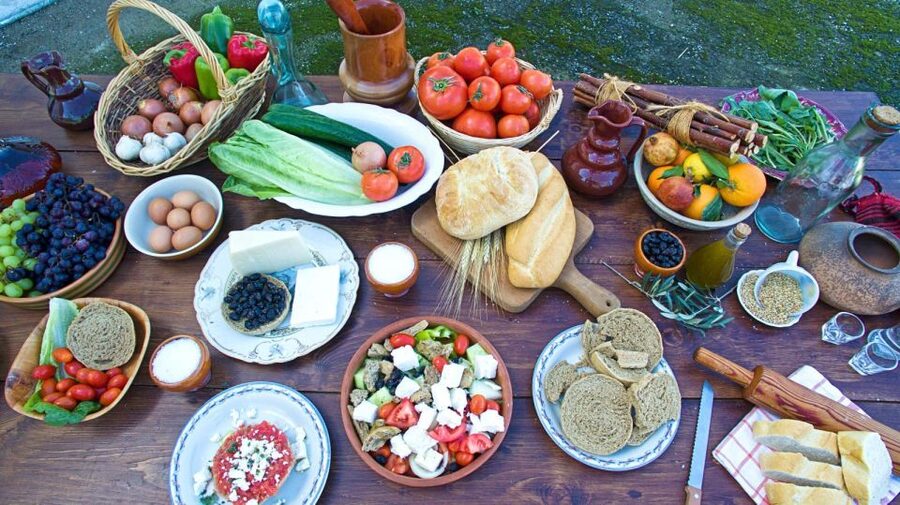
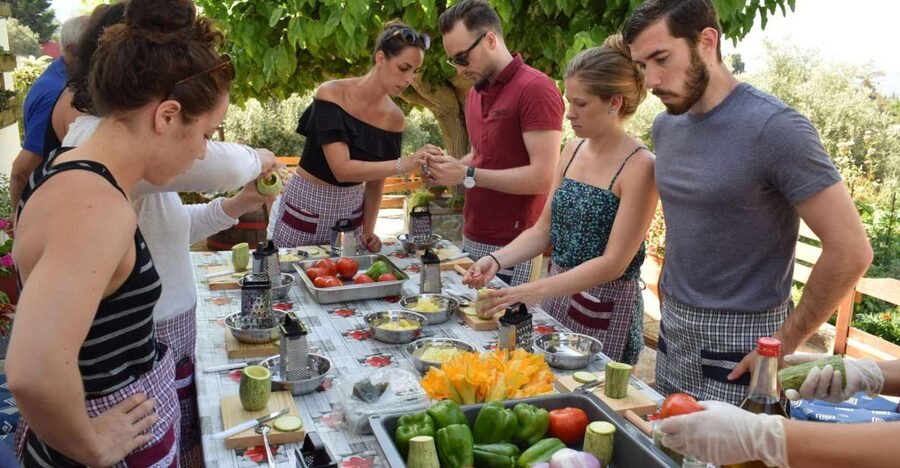
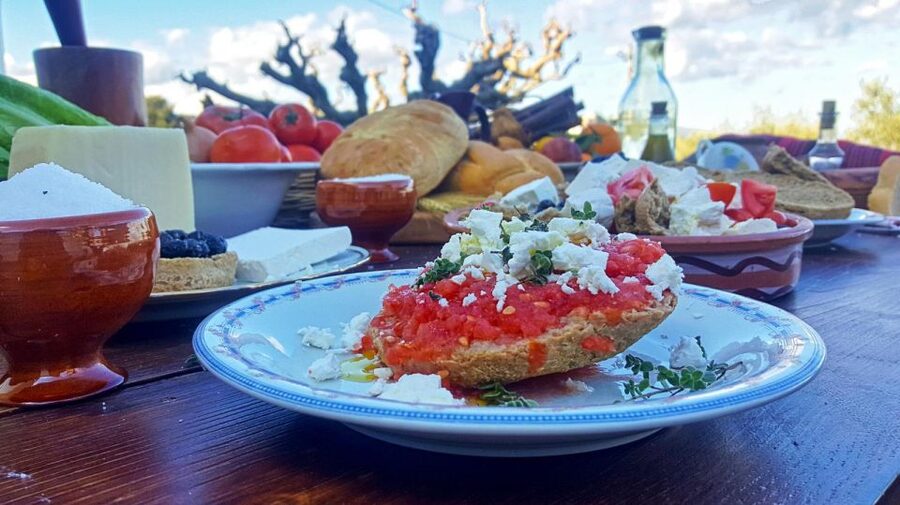
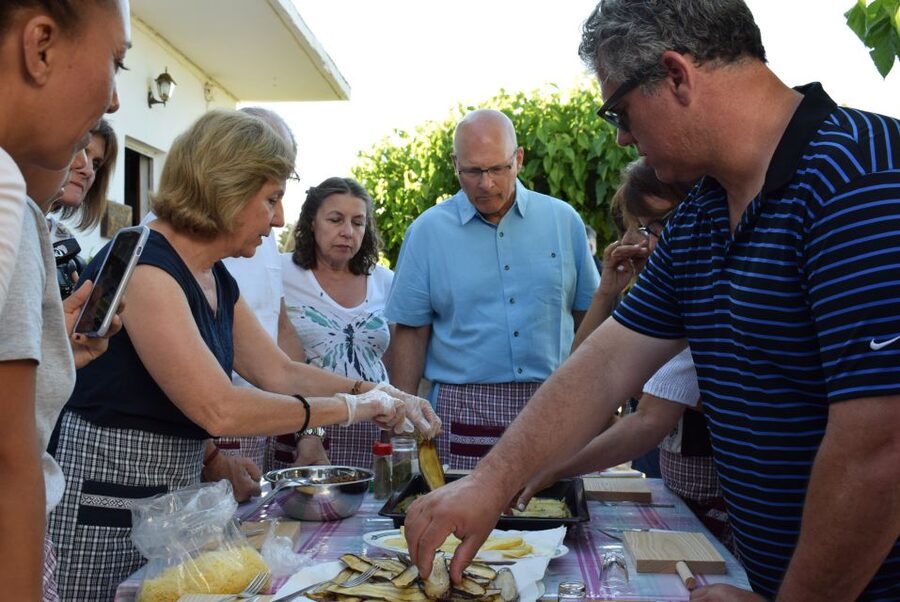
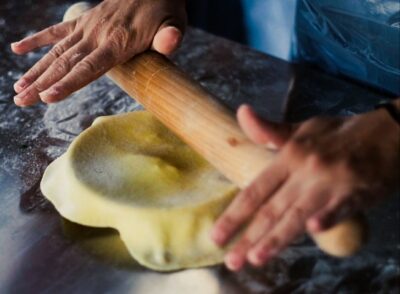
The cooking lesson includes classic Cretan preparations such as ntakos and tzatziki, along with other traditional dishes selected for the meal. Ntakos is a useful introduction to Cretan flavors, combining crisp bread or barley rusk with fresh toppings, while tzatziki shows how yogurt, herbs, and garlic can become a simple but satisfying accompaniment.
Maria is frequently identified as the chef leading the hands-on lesson. She demonstrates the dishes and works with the group as you prepare them. English-speaking guides translate and explain the instructions when needed, since not every host or cook speaks English.
You will use the supplied ingredients, cooking utensils, and apron. The practical value is that you can recreate the dishes later, since recipes and photos are sent by email after the experience. This is more useful than a souvenir trinket alone. You leave with a record of what you prepared and a visual reminder of the setting.
The cooking is designed for participation, but the exact amount of hands-on work can depend on group size and the dish being prepared. The group is described as small, although one account noted about 15 people. If you want every person to have a long turn at every task, ask about the group size before booking.
Dinner follows the preparation. Dishes described include the appetizers you helped make, a main meal featuring slow-cooked pork, local cheese, vegetables, and other Cretan recipes, followed by traditional jar desserts. The meal is paired with regional wine and served as a shared dinner.
This is where the class pays off. You get to taste the finished food in the same place where you prepared it, often while talking with the family and the other people in your group. Some meals have been served outdoors, including under a walnut tree or beneath the evening sky, with the mountains and distant views around you.
The meal is substantial enough that you should not plan another dinner afterward. Also bring a water bottle. One useful practical note is that water may not be readily available during the first part of the outing, so it is better to arrive prepared.
What the six-hour length really means
Six hours gives the experience room to breathe. You have time for the minivan ride, the property, the garden, the mountain walk, tastings, cooking, and dinner without turning every stop into a quick photo break.
The tradeoff is that this is not a short activity you can fit between lunch and an evening show. Some outings have returned to Chania after 11 p.m., particularly when the class begins later or the meal runs at a relaxed pace.
I would plan it as the main event for the day. Avoid scheduling a demanding excursion immediately before it, since you may be on your feet outdoors and then sitting down for a long meal. Comfortable shoes, sunglasses, a jacket, and water are sensible choices.
The jacket matters even in warm weather. The White Mountains setting can feel cooler later in the day, and the outing may include time outdoors after sunset.
Is $129 a fair price?
At $129 per person, this is not the cheapest way to eat in Crete. But the price covers much more than dinner.
You receive pickup and drop-off from designated Chania locations, transportation in an air-conditioned minivan, a local driver-guide, the cooking lesson, ingredients, apron and utensils, food and wine tastings, the full meal, commemorative gifts, recipes, photos, insurance, and local taxes.
The strongest value comes from combining several experiences in one outing. A separate meal, rural excursion, cultural tour, and private transfer could cost more than the class, even before adding a guide. You also get access to a family home and farm setting that would be difficult to arrange independently.
I would not book it only because you want the lowest-cost cooking lesson. I would book it if you value the personal setting, transport, cultural explanations, and shared dinner. The price is easier to justify for solo visitors, couples, and anyone without a rental car.
The included pickup also helps if you do not want to drive unfamiliar mountain roads after drinking wine. Just confirm the pickup location before paying.
Who will enjoy this most?
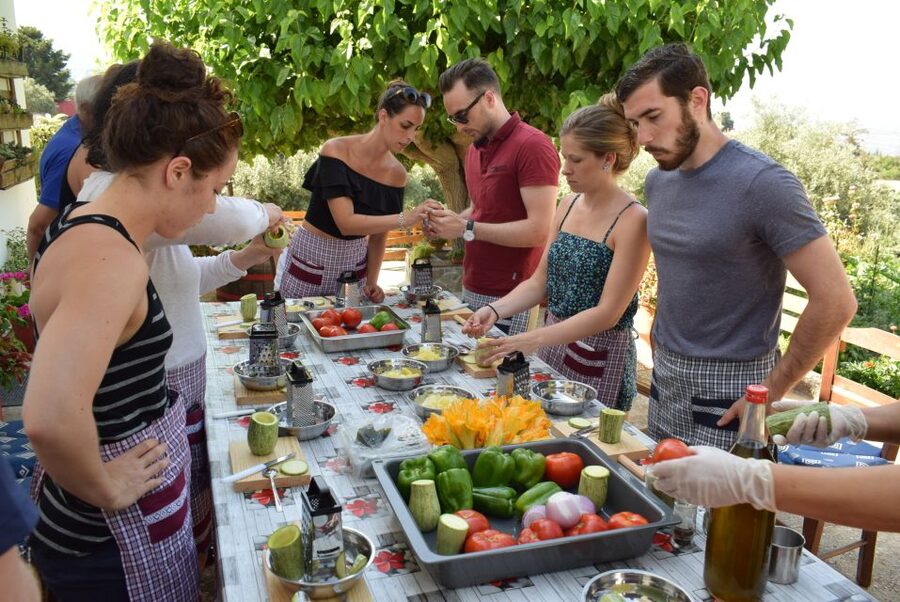
I think this class suits you if food is one of the main ways you like to understand a place. You will learn how Cretan ingredients are used, but you will also see the garden, meet the family, hear local stories, and share a meal with people from several countries.
Solo visitors are particularly well suited. The guide and group format make it easy to take part without feeling like an outsider. Several solo participants were made to feel included, and the shared table gives the evening a natural social rhythm.
Couples and families can also enjoy it, especially if you want a quieter change from Chania’s restaurants. The animal feeding and garden walk add variety for people who might not want six straight hours of kitchen work.
It is less suited to anyone with very limited time, a strict dietary plan that has not been confirmed in advance, or a strong dislike of group activities. The food is traditional and the class is communal. You should also be comfortable with an informal family setting rather than expecting a professional culinary school.
The activity is conducted in English, including the guiding and instruction. If you need another language, this experience may not be the right fit.
A few practical points before booking
The tour has a 4.9 rating from 529 bookings, and transportation receives especially strong marks, with 95 percent of ratings giving it a perfect score. That matches the practical design of the outing: pickup, a comfortable minivan, and a guide who stays with you through the day.
Book ahead if your Chania dates are fixed, but keep the free cancellation policy in mind. You can cancel up to 24 hours before the activity for a full refund, and the reserve-now-pay-later option lets you hold a place without paying immediately.
Pickup is available from specific locations within the Chania region, not automatically from every address. Confirm this detail early, since reaching the wrong meeting point can complicate the start of the day.
Bring comfortable shoes, sunglasses, a jacket, and a water bottle. An apron and cooking tools are provided, so you do not need to pack kitchen equipment.
Should you book the White Mountains cooking class?
I would book this experience if you want personal contact with Cretan life, not just a meal and a recipe card. The garden produce, family home, mountain setting, sheep and goats, local wine, and long shared dinner give the day a strong sense of place.
The main drawback is the time commitment. Six hours can stretch into a late return, and the group size and exact guide may vary. But if you can give the afternoon and evening to it, the $129 price covers a generous amount of transport, food, instruction, and local context.
For a first visit to Chania, this is one of the better ways to move beyond the old town and see how food, family, land, and hospitality connect in Crete.
FAQ
How long does the cooking class last?
The activity lasts six hours. Some outings return to Chania after 11 p.m., depending on the start time and pace of the evening.
What is included in the price?
The $129 price includes pickup and drop-off, an English-speaking local driver-guide, air-conditioned minivan transport, the small-group cooking class, dinner, ingredients, an apron, cooking utensils, wine and food tastings, commemorative gifts, recipes and photos sent by email, liability insurance, and local taxes.
Where does pickup take place?
Pickup is included from specific locations within the Chania region. Check the available pickup points before booking.
Is transportation provided?
Yes. Transportation is provided in an air-conditioned minivan, with pickup and drop-off included from the designated locations.
What food will I prepare?
The class includes traditional Cretan recipes and appetizers such as ntakos and tzatziki. The final meal may also include dishes such as slow-cooked pork, local vegetables, cheese, wine, and traditional jar desserts.
Is the class taught in English?
Yes. The listed instruction language is English, and the driver-guide provides explanations and translation during the class when needed.
What should I bring?
Bring comfortable shoes, sunglasses, a jacket, and a water bottle. The jacket is useful for time outdoors in the White Mountains, especially later in the day.
Can I cancel the booking?
Yes. You can cancel up to 24 hours in advance for a full refund.
Can I reserve now and pay later?
Yes. The reserve-now-pay-later option allows you to book your place and keep your plans flexible without paying immediately.
More Workshops in Crete
- Heraklion: Beginner Scuba Diving Lesson with PADI Instructor
★ 4.9 · 355 reviews - Rethymno: Traditional Cooking Class in a Cretan Village
★ 5.0 · 58 reviews - Heraklion: Cretan Cooking Lesson with Lunch in Arolithos
★ 4.9 · 54 reviews - Cooking Lesson in Heraclion
★ 5.0 · 32 reviews
Recently reviewed around Crete
- Troy Dinner-Show★ 5.0 · 103 reviews
- Heraklion : Spinalonga, Agios Nikolaos , Elounda Boat Tour & BBQ★ 3.5 · 32 reviews
- Quad Safari Off-Road Evening Tour★ 5.0 · 69 reviews
- Knossos & Lasithi Plateau: Zeus Cave,Villages, Olive Oil Tour★ 5.0 · 328 reviews
- Knossos & lasithi plateau villages,Zeus’s cave,&olive oil Mill★ 5.0 · 90 reviews
- Cretan Wines & Olive oil tour – The treasures of Crete★ 5.0 · 147 reviews
- PRIVATE-Knossos Palace-Zeus Cave-Olive Oil Tasting-Old Villages★ 5.0 · 81 reviews
- Sailing trip to the Top Coasts of Crete, Daily/Multi-day★ 5.0 · 221 reviews
Greek Cooking Classes, compared.
Classic Cooking Class with Market Visit and Wine
Read our review →
Food Market Visit and Cooking Class with Wine
Read our review →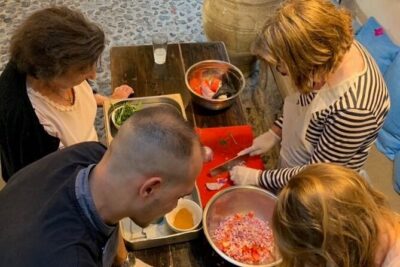
Greek Cuisine Cooking Class in Santorini with Recipes and Wine
Read our review →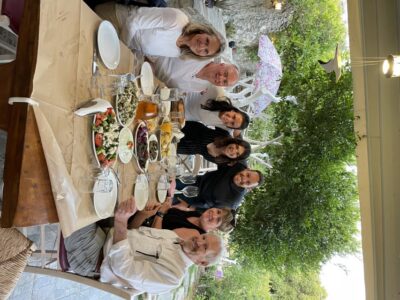
Half-Day Cooking Class at Basiliko Family Tavern
Read our review →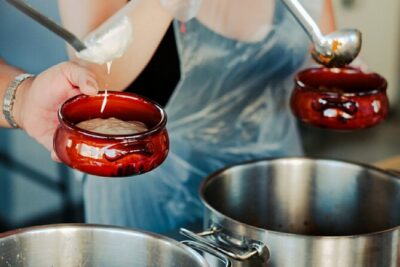
Greek Cooking Class in Athens Including Rooftop Dinner with Acropolis View
Read our review →
Greek Small-Group Athens Cooking Class & Dinner
Read our review →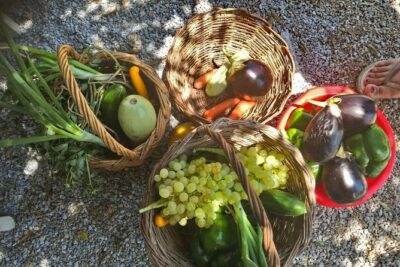
Browse the lists this tour appears in