
Reviewed · GREEK COOKING CLASSES
Rethymno: Traditional Cooking Class in a Cretan Village
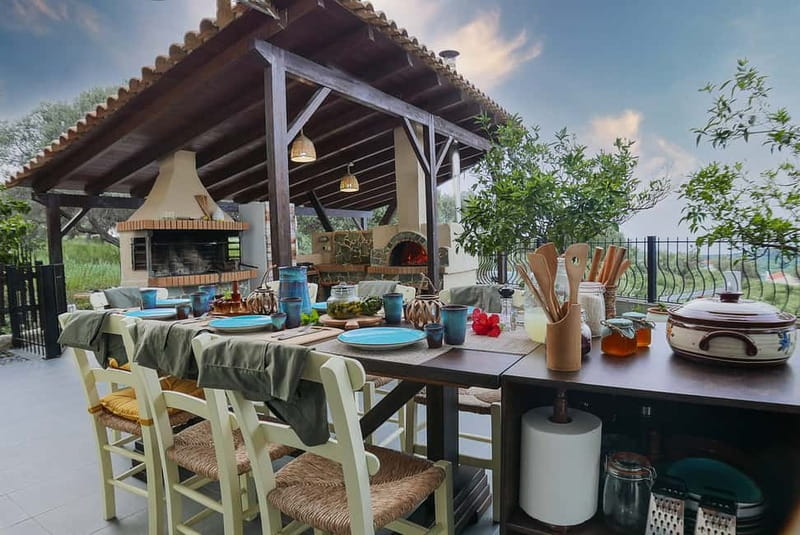
The best part of this Rethymno cooking class is that you enter Chrysoula’s family home, not a polished demonstration kitchen. You help prepare Cretan dishes with produce from the family farm or nearby village farmers, then cook them in a traditional wood oven while looking out over the countryside.
I especially like the generous menu, which can include dakos, tzatziki, Greek salad, gemista, moussaka, homemade pies, ice cream, and fruit. I also like the warm welcome: Greek coffee, herbal tea, lemonade, olive-oil rolls, wine, and raki turn the lesson into a long family-style meal.
The main thing to consider is the length and amount of food. At 3.5 hours, this is not a quick stop between sights, and you should arrive hungry. The wood oven and outdoor setting are appealing, but weather can affect the experience, even though the class has continued during storms.
In This Review
- Key things to know before booking
- A Cretan kitchen instead of a cooking studio
- What you prepare first: dakos, dips, and salads
- The wood oven and the main course
- Dessert, coffee, and the long table
- How authentic is the experience?
- Food choices and dietary needs
- Price, duration, and overall value
- Who will enjoy this class most?
- Practical advice for your afternoon or evening
- Should you book this Cretan cooking class?
- FAQ
- How long does the Cretan cooking class last?
- How much does the experience cost?
- What food is included?
- Can the menu accommodate vegetarians or allergies?
- Is the class taught in English?
- Is the experience wheelchair accessible?
- Can I cancel or pay later?
Key things to know before booking
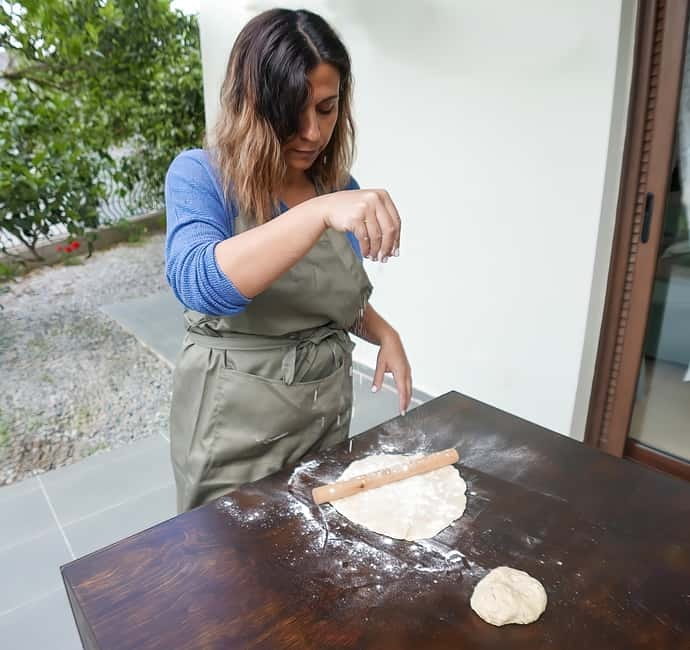
- Farm produce shapes the menu: Most ingredients come from Chrysoula’s family farm or local village farmers.
- You cook in a traditional wood oven: This adds old-fashioned flavor and a hands-on part of the class that modern kitchens cannot copy.
- Chrysoula leads the class: She teaches in English and shares both recipes and pieces of Cretan life.
- The meal is substantial: Expect a starter, main dish, dessert, local wine, and raki, plus the welcome drinks.
- Vegetarian and allergy-friendly options are available: Tell the host about your needs when booking.
- The setting is part of the experience: You cook and eat at a family home with views, rather than in a restaurant classroom.
A Cretan kitchen instead of a cooking studio
This experience begins with a change of pace. You leave the formal sightseeing routine and spend part of your day at a local home in a Cretan village near Rethymno. The setting matters because Cretan food is closely tied to household habits, garden produce, shared meals, and practical cooking methods.
Chrysoula welcomes you with Greek coffee or herbal tea, homemade lemonade, ladokouloura, olive-oil rolls, and loukoumakia. That opening spread is more than a snack. It gives you time to settle in, meet the people around the table, and start talking before the chopping begins.
You also meet the cooking space itself. The class takes place around a home and garden, with the wood oven as a central feature. The views add to the pleasure, but the real value is the chance to see how food is prepared in a family setting rather than watching a chef perform for an audience.
The English-language instruction is useful for cooks of different levels. You do not need to arrive with advanced kitchen skills. The focus is on traditional methods, recognizable ingredients, and the pleasure of making food together.
More Cooking Classes in Crete
- Chania: Authentic Cooking Class in the White Mountains
★ 4.9 · 529 reviews - Chania Cooking Class-The Authentic Enjoy traditional Cretan meal
★ 5.0 · 339 reviews - Full-Day Jeep Safari Tour with Cooking Lesson
★ 5.0 · 284 reviews
What you prepare first: dakos, dips, and salads
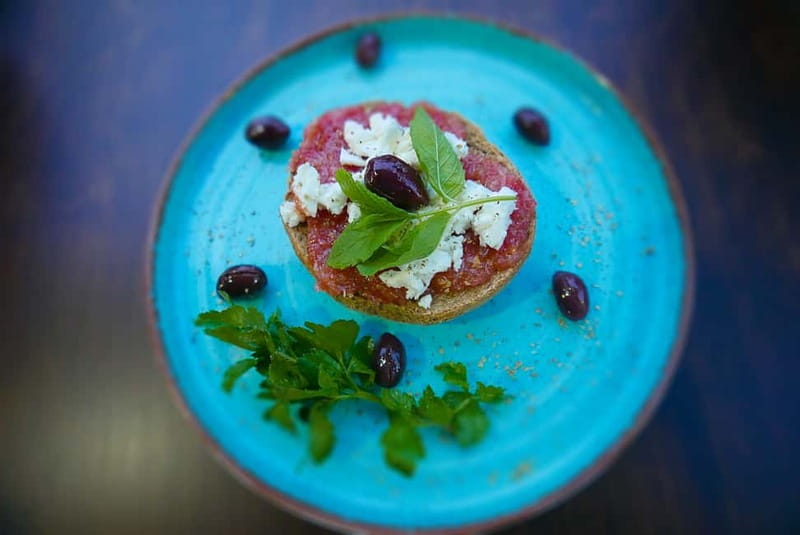
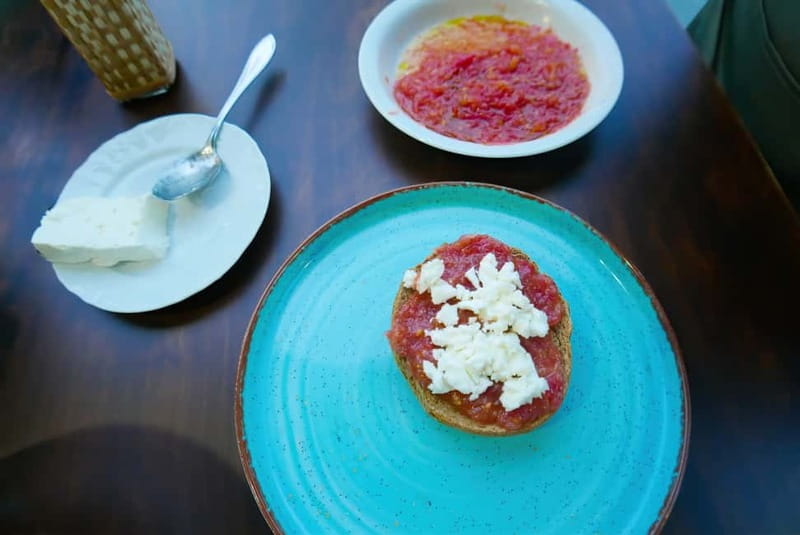
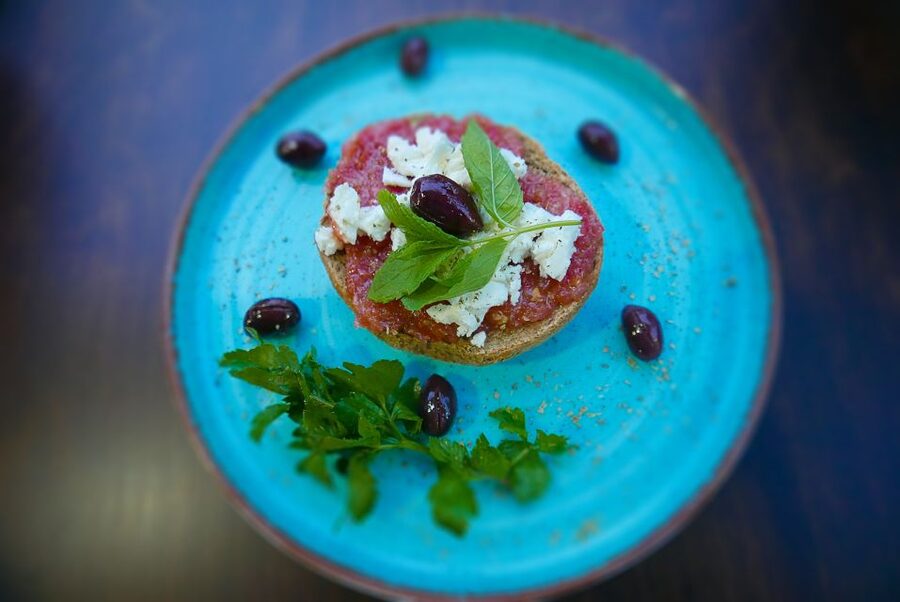
The opening dishes introduce you to the bright, simple side of Cretan cooking. Dakos is a natural starting point: crisp barley rusk topped with tomato, cheese, olive oil, and herbs. It uses a short list of ingredients, but the quality of the tomato and olive oil makes a difference.
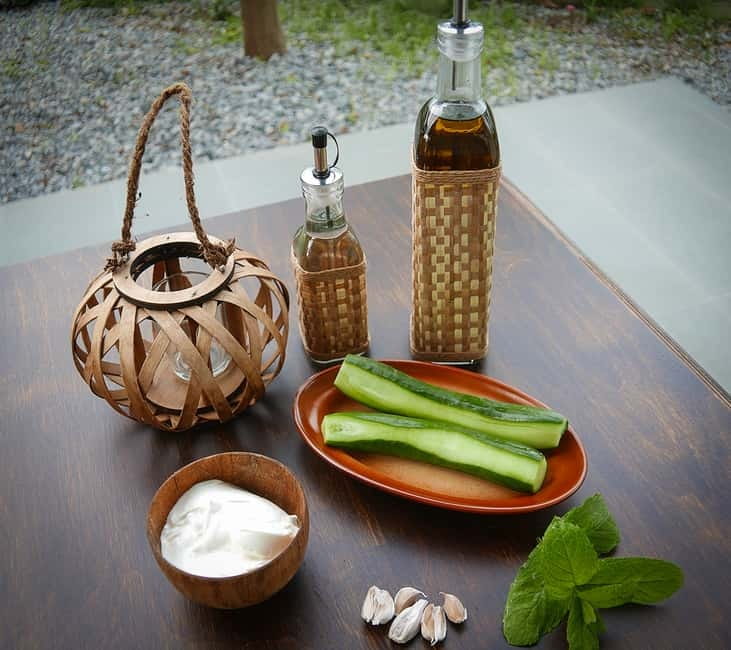
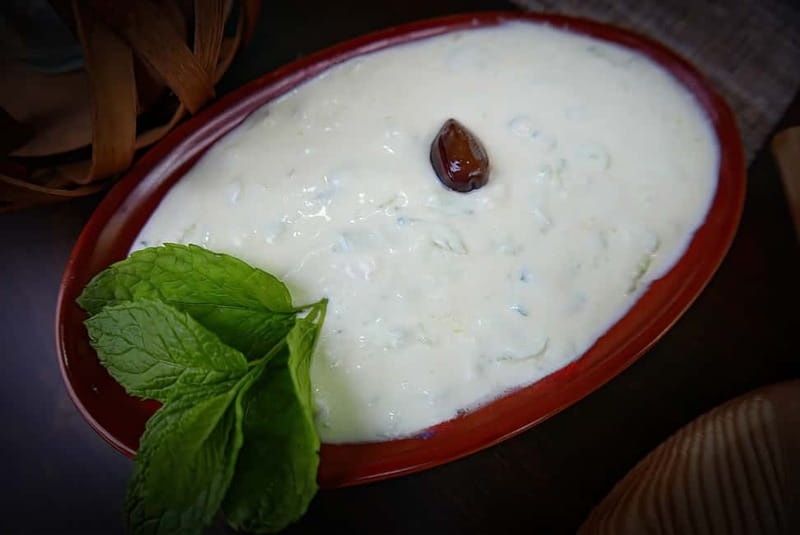
Tzatziki brings a familiar Greek flavor, with yogurt, cucumber, and seasoning. You may also prepare Greek salad, another dish that looks simple but depends on fresh produce and good olive oil. These are useful recipes to learn because they are easy to repeat at home after your holiday.
This part of the class is also a chance to ask questions. Chrysoula explains the recipes through older household practices, not just measured steps from a printed card. You get a feel for how Cretan cooks judge texture, balance, and doneness.
I like this start because it gives you quick wins. You can take part even if you are not comfortable with complicated cooking, and the finished dishes go directly onto the table for everyone to share.
The wood oven and the main course
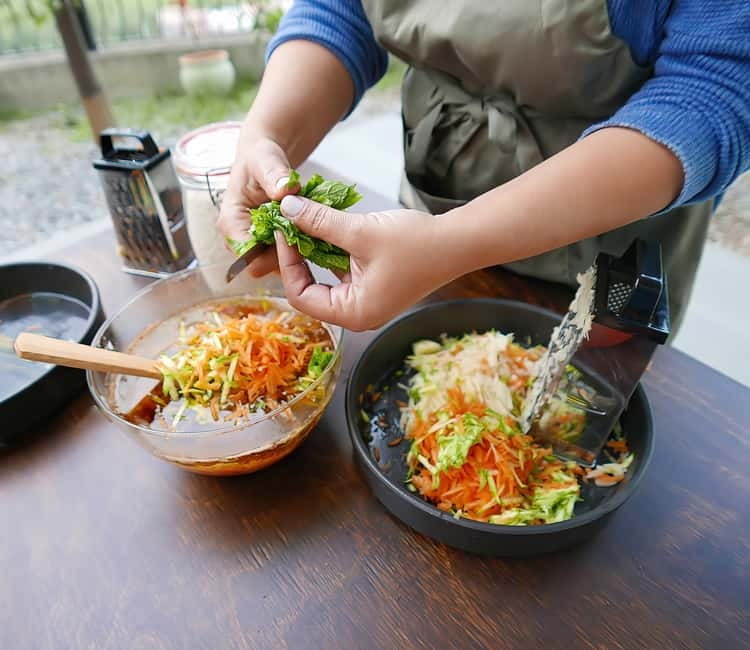
The main dishes bring more work and more character. One possible menu includes gemista, vegetables such as tomatoes, zucchini, peppers, zucchini flowers, or vine leaves filled with a seasoned mixture. Moussaka may also be part of the lesson, giving you a chance to prepare one of Greece’s most familiar baked dishes.
The exact menu can vary, so you should not book with the expectation that every listed dish will appear on your particular day. That flexibility is part of the home-cooking format. The host works with seasonal produce and the needs of the group.
The traditional wood oven is the heart of this stage. You do not simply watch a tray disappear into an appliance. You learn how food is cooked with an old method that depends on heat, timing, and experience. The oven also gives the meal a sense of place. These are not dishes prepared in isolation from the setting.
The practical drawback is that wood-oven cooking is less predictable than cooking on a modern stovetop. Timing may feel relaxed, and the class is not designed for someone who wants a tightly scheduled professional lesson. You are here to cook, talk, eat, and let the meal take its proper time.
The food is served after the cooking, with local wine and raki. Raki is a strong Cretan spirit, so take the host’s warning seriously and pace yourself. It is part of the welcome, not a test of endurance.
Dessert, coffee, and the long table
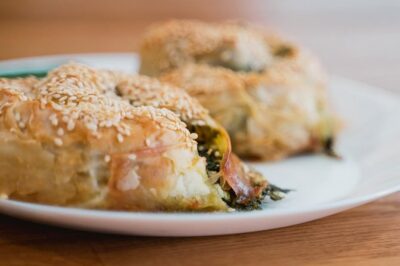
The final course keeps the focus on home cooking. You might help prepare tyropitakia, small traditional cheese pies finished with local honey and cinnamon. Homemade ice cream and seasonal fruit may also be served.
This is one of the class’s strongest features because dessert is not treated as an afterthought. Cheese, honey, cinnamon, fruit, and homemade sweets show how Cretan meals move from savory flavors to something simple and satisfying.
You should plan to spend time at the table after the food is ready. The experience is designed around conversation, laughter, and a shared meal. Chrysoula’s humor and personal style are a key part of the evening, and her family may also be involved in the welcome.
One especially appealing detail is the personal attention given to families. The class has been comfortable for parents with children, and Chrysoula has helped keep a young child entertained during the cooking. That does not mean every family arrangement will be identical, but it suggests a relaxed atmosphere rather than a strict adult-only lesson.
You may also leave with more than recipes. One participant received tomatoes from the family farm and a bottle of wine to finish later. Those extras are not listed as guaranteed inclusions, so treat them as a pleasant possibility rather than something promised.
More Rethymno trips worth a second look
- Athens: Classic Cooking Class with Market Visit and Wine
★ 5.0 · 1,101 reviews - Athens: Food Market Visit and Cooking Class with Wine
★ 4.9 · 1,087 reviews - Greek Cuisine Cooking Class in Santorini with Recipes and Wine
★ 5.0 · 969 reviews - Naxos: Half-Day Cooking Class at Basiliko Family Tavern
★ 5.0 · 887 reviews
How authentic is the experience?
No cooking class can reproduce an entire culture in a few hours. Still, this one gets closer than a standard restaurant meal because you see the ingredients, methods, and social habits together.
The food is linked to the family farm and local suppliers. The class uses old recipes and a wood oven. You sit in a home setting and share the finished meal with the people who prepared it. Those details give the experience a clear local connection.
I also value the fact that the host talks about Cretan culture while teaching. You are not only learning how to assemble a salad or fill a vegetable. You are learning why home cooking matters here, how hospitality works, and how meals can stretch into a social occasion.
At the same time, do not expect a formal culinary school certificate or a highly technical chef’s workshop. The emphasis is on traditional dishes, relaxed instruction, and eating well. If you want advanced knife skills, professional plating, or a precise recipe manual, another class may suit you better.
Food choices and dietary needs
The menu can be adapted for vegetarians and people with allergies. This is important because the class includes several dishes that can be adjusted without losing their Cretan character.
If you are vegan, the host has shown a willingness to prepare separate food so that everyone can eat well at the same table. You should still explain your restrictions in advance. The more detail you provide, the easier it will be for the host to plan the ingredients.
Do not assume that every dish is suitable for every diet. Cheese, yogurt, honey, and other dairy or animal products appear in possible starters and desserts. Clear communication before the class is the sensible approach.
The food quantity is another practical point. You may eat the dishes as they are completed, then sit down to the full meal. Several people have found the portions generous enough to leave them very full, and leftovers may sometimes be available.
Price, duration, and overall value
The price is $110 per person for 3.5 hours. That is more than paying for a single Cretan meal, but the comparison is not really between a class and a restaurant dinner.
Your price covers cooking lessons, a starter, a main dish, dessert, local wine, and raki. It also includes the setting, the host’s time, the use of the wood oven, and the social side of the meal. If you value food as a way to understand a place, I consider that a fair price for a half-day experience.
The value improves if you enjoy active participation. You are not paying only to eat. You help make the dishes, learn methods you can use at home, and share the result in a family setting.
It may feel expensive if you want a short tasting or a quick cooking demonstration. It is also not the best choice for someone planning a packed sightseeing day, since the experience takes 3.5 hours and the meal itself is unhurried.
Reserve now and pay later is available, which helps if you are still arranging your Crete schedule. You can cancel up to 24 hours in advance for a full refund. Starting times vary, so check availability before building the class into your day.
Who will enjoy this class most?
I would choose this experience for people who want a personal connection to Crete through food. It suits couples, families, food-focused visitors, and anyone who prefers a local home to a formal attraction.
It is also a strong choice for mixed cooking abilities. Beginners can help with straightforward dishes, while more experienced cooks can ask about the traditional methods and adapt the recipes later.
Families should find the relaxed atmosphere helpful, especially if children need a break from formal sightseeing. The class is wheelchair accessible, which makes it a practical option for many people, though you should still confirm the precise arrangements for your booking.
This may not suit you if you dislike long meals, strong spirits, group conversation, or hands-on kitchen work. It is also not ideal if you need an exact menu or a tightly controlled timetable.
The class can sometimes be private, but that is not guaranteed. A private session gives you more room to set the pace and ask questions. A shared class may bring a pleasant social element, but the booking details should make the format clear.
Practical advice for your afternoon or evening
Arrive hungry. That is the single most useful tip. The welcome snacks are followed by several prepared dishes, dessert, wine, and raki, so a large meal before the class would be a mistake.
Wear clothes that are comfortable for cooking. You will be working with food and spending time around a traditional oven. The setting is homey and informal, so practical clothing makes more sense than anything dressy.
Keep your schedule open around the class. Cooking times can change with the wood oven, and the meal encourages conversation. If you have a fixed dinner reservation soon afterward, you may feel rushed or simply too full to enjoy it.
If you are booking for children, vegetarians, vegans, or anyone with allergies, share that information early. The menu is flexible, but the host needs to know what to prepare.
Finally, take notes if you want to recreate the recipes at home. The value of this class continues after you leave, especially with dishes such as dakos, tzatziki, Greek salad, and gemista. These are practical reminders of Crete that do not require a restaurant kitchen.
Should you book this Cretan cooking class?
Book it if you want more than a meal and would enjoy spending several hours with a local cook in her own home. Chrysoula’s friendly teaching, the farm produce, the wood oven, and the generous table make this one of the more personal food experiences near Rethymno.
I would be especially keen to book if I were staying in the area for several days and wanted a break from monuments and beaches. The class gives you recipes, conversation, and a better sense of how Cretan hospitality works.
Skip it if your schedule is tight, you prefer restaurant dining, or you want a technical chef-led course. For everyone else, the $110 price is reasonable for 3.5 hours of instruction, food, drinks, and a meal that feels connected to the place.
FAQ
How long does the Cretan cooking class last?
The class lasts 3.5 hours. Starting times vary, so check availability when choosing your date.
How much does the experience cost?
The price is $110 per person.
What food is included?
The experience includes a starter, main dish, dessert, local wine, and raki. Possible dishes include dakos, tzatziki, Greek salad, gemista, moussaka, cheese pies, homemade ice cream, and seasonal fruit.
Can the menu accommodate vegetarians or allergies?
Yes. The menu can be adapted for vegetarian participants and people with allergies. Share your dietary needs when booking.
Is the class taught in English?
Yes. The host or greeter and the cooking instruction are available in English.
Is the experience wheelchair accessible?
Yes, the activity is listed as wheelchair accessible.
Can I cancel or pay later?
You can cancel up to 24 hours in advance for a full refund. Reserve now and pay later is also available, so you do not need to pay at the time of booking.
More Workshops in Rethymno
- Greek Cooking Class in Athens Including Rooftop Dinner with Acropolis View
★ 5.0 · 826 reviews - Greek Small-Group Athens Cooking Class & Dinner
★ 5.0 · 574 reviews - Naxos:Half-day cooking class at Basiliko
★ 5.0 · 457 reviews - Athens: Greek Cooking Class & Dinner on a Rooftop
★ 5.0 · 383 reviews
Recently reviewed around Rethymno
- From Rethymno: Samariá Gorge Full-Day Hike★ 4.3 · 129 reviews
- Rethymno: Melidoni Cave and Arkadi Monastery Half-Day Trip★ 4.3 · 120 reviews
- Rethymno Town: Sea Watersports Activities on the Beach★ 4.9 · 38 reviews
- From Rethymno: Arkadi, Melidoni, and Margarites Tour★ 4.9 · 211 reviews
- Crete Private Tour: The Secrets of Wine, Olives & Honey★ 4.5 · 59 reviews
- Rethymno Old Town: A Traditional Cretan Food Tour★ 4.9 · 103 reviews
- Rethymno: Mini Pirate Boat Cruise with Swimming Stop★ 3.8 · 110 reviews
- From Rethymno: Arkadi, Margarites, Melidoni Cave, and Axos★ 4.4 · 37 reviews
Greek Cooking Classes, compared.
Classic Cooking Class with Market Visit and Wine
Read our review →
Food Market Visit and Cooking Class with Wine
Read our review →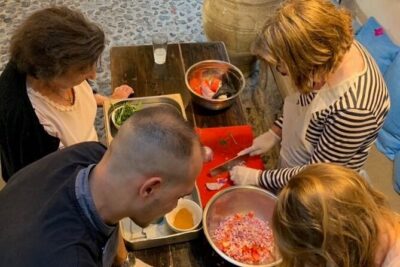
Greek Cuisine Cooking Class in Santorini with Recipes and Wine
Read our review →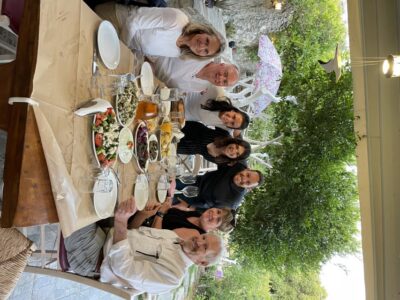
Half-Day Cooking Class at Basiliko Family Tavern
Read our review →
Greek Cooking Class in Athens Including Rooftop Dinner with Acropolis View
Read our review →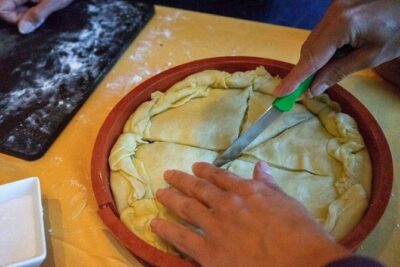
Greek Small-Group Athens Cooking Class & Dinner
Read our review →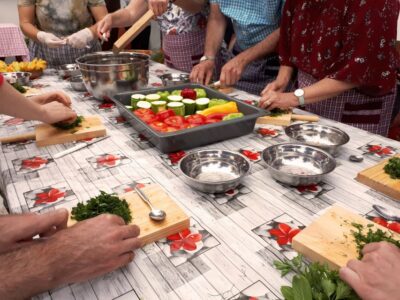
Authentic Cooking Class in the White Mountains
Read our review →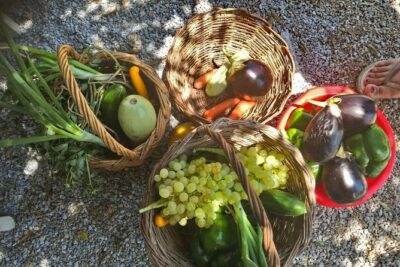
Browse the lists this tour appears in