
Reviewed · OLIVE OIL TASTINGS
Kalamata: The Olive Oil Routes Tour
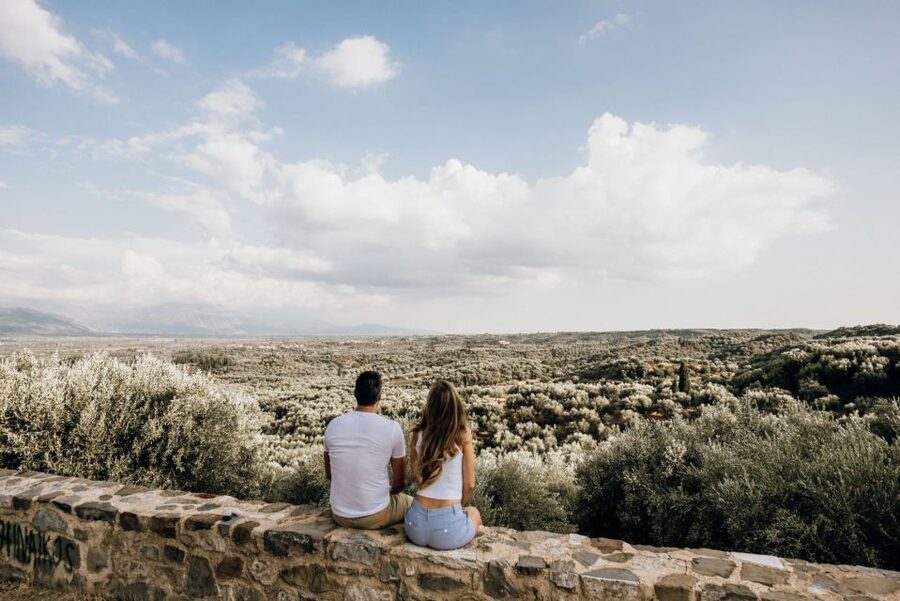
The best part of this tour is that olive oil is not treated as a supermarket condiment. In Androusa, it is family work, village history, farming, food, and identity all rolled into one. You walk among old olive trees, visit a mill run by a fifth-generation family, and then learn how to taste the oil properly.
I like the personal family connection and the way the tasting becomes a real food lesson. I also like the setting: Androusa Castle and the surrounding groves give the tour a strong sense of place. The main consideration is transport. You must reach the meeting point yourself, and the tour involves walking outdoors, so comfortable shoes, a hat, and sunscreen matter.
In This Review
- Key points at a glance
- Why this olive oil tour feels different
- Meeting at Androusa Castle
- Walking through Messinia’s old olive groves
- Inside the family olive oil mill
- Learning the blue-glass tasting method
- Pairing olive oil with Messinian food
- The guides and the personal touch
- Is $106 a fair price?
- Who should book this experience?
- Practical advice before you go
- Should you book the Olive Oil Routes Tour?
- FAQ
- Where does the Olive Oil Routes Tour begin?
- Is transportation from Kalamata included?
- How long does the experience last?
- Which languages are offered?
- What olive oils will I taste?
- What food is included?
- What should I bring?
Key points at a glance

- Start at a 13th-century castle: Meet outside Androusa Castle, about 20 minutes from Kalamata and 10 minutes from Ancient Messene.
- Walk among perennial olive trees: Hear local stories, farming traditions, and the meaning of the trees to Messinian families.
- See a 120-year-old olive mill: A fifth-generation owner explains extraction, storage, and bottling of extra virgin olive oil.
- Learn to taste like a professional: A certified taster leads a session using blue tasting glasses and several Greek olive varieties.
- Pair oil with local food: Try Kalamata olives, olive paste, lalaggia, sfela, smoked ham, fruit, tzatziki, and small dishes.
- Plan for more than a snack: The food portion can feel like a full local meal, making the $106 price easier to justify.
Why this olive oil tour feels different
Many food tours give you a bite, a short explanation, and a chance to buy something. This one gives you a story that begins in the soil and ends at the table. The olive tree is the link between every stop.
That matters in Messinia. Kalamata is famous for its olives, but the subject is bigger than the name on a jar. You learn about the groves, the varieties, the pressing process, the grades of oil, and the way Greek food uses oil with purpose.
The tour also benefits from its guides. Dimitra, who leads the experience at many departures, is a certified olive oil taster with a family connection to both olive farming and milling. Athanasia and other members of the team may also be involved. Their approach is friendly and interactive rather than a long lecture.
Expect questions, simple tasting exercises, and activities that help a mixed group get involved. That can feel a little playful at first, especially if you already know Greek history or olive oil. Give it a chance. The format works well for children, older adults, and people who know almost nothing about oil.
More olive oil tastings around Peloponnese:
- Organic Olive Grove tour & Olive oil tasting & lunch in Kalamata!
★ 5.0 · 61 reviews - Traditional Food tour, Olive oil Tasting with Lunch in Kalamata, Messinia!
★ 5.0 · 30 reviews - Knossos-Zeus Cave -Old Traditional Villages-Olive Oil Factory
★ 5.0 · 694 reviews
Meeting at Androusa Castle
The tour begins outside the 13th-century castle of Androusa, on the main road. This is not in central Kalamata, so you need a car or taxi. The drive takes about 20 minutes from Kalamata and roughly 10 minutes from Ancient Messene.
The castle gives the morning a useful sense of place. You are not meeting at a generic shop or tasting room. You begin in the middle of Messinia, surrounded by old stone, village roads, and olive country.
Pay close attention to the meeting instructions. One account specifically warns that the correct meeting point is outside the castle on the main road, even if a booking app displays something different. I would allow a little extra time to find the exact spot, particularly if you are driving.
Hotel pickup and drop-off are not included. That is the clearest logistical drawback. If you are staying in Kalamata without a rental car, budget for a taxi in both directions. The short drive is manageable, but it is still an added cost beyond the $106 tour price.
Walking through Messinia’s old olive groves
After meeting the guide, you begin with an olive walk near the castle and then continue through the groves. This is the part that turns a tasting into a proper regional experience.
Your guide explains different olive varieties found in the area and points out how the trees record the work and age of the land. The stems, shapes, and long years of cultivation become part of the story. You also hear about the traditions and mythical stories connected with the castle’s olive trees.
The walk is not described as a strenuous hike, but it is still an outdoor visit over uneven ground. Wear shoes you can walk in, and bring sun protection. In summer, the heat can make even a gentle grove walk tiring. A hat and sunscreen are specifically recommended.
The timing of your visit can change what you see. A November visit may coincide with harvest, and one group was able to watch the harvesting crew and take part briefly. That is a special seasonal bonus, but it should not be treated as guaranteed. The basic tour remains the grove visit and explanation of olive farming.
I especially like this opening because it gives you a way to read the countryside. Instead of seeing endless trees from a car window, you learn why the trees look different, how families relate to them, and why olive farming matters so much to Greek life.
Inside the family olive oil mill
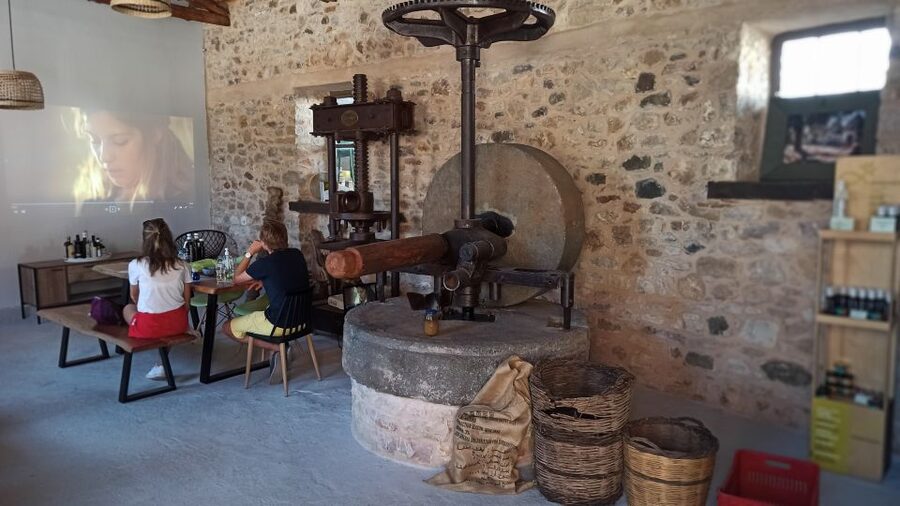
In central Androusa Village, you visit a distinctive olive press and mill that has operated for more than 120 years. A fifth-generation owner explains how olives become extra virgin olive oil, including extraction, storage, and standardization.
This is a valuable stop because olive oil production is often surrounded by vague language. Here, you get a practical account of the process and can ask questions as the guide walks you through it. You learn that the work does not end when the oil leaves the press. Storage and standardization also affect what reaches the bottle.
The family connection adds warmth without turning the visit into a staged show. You are seeing a working part of a family business and hearing about the role of olive farming across generations. Several guides speak with clear pride in the land and the work, but the best moments come when they draw you into the conversation and connect the process to your own food habits.
The mill visit also helps explain the difference between the olives you eat and the oil you pour. The tour covers both table olives and oil production, including different olive varieties. If you are used to choosing oil by country or price alone, this gives you better questions to ask when shopping.
More Peloponnese trips worth a second look
- Ancient Olympia: Archaeological Site and Museum Entry Ticket
★ 4.3 · 555 reviews - Sea Kayak in Kardamili
★ 5.0 · 438 reviews - Sailing Cruise in Nafplio | with Local Treats
★ 5.0 · 247 reviews - Epidaurus: Temple of Asclepius & Theatre with optional audio
★ 4.2 · 241 reviews
Learning the blue-glass tasting method
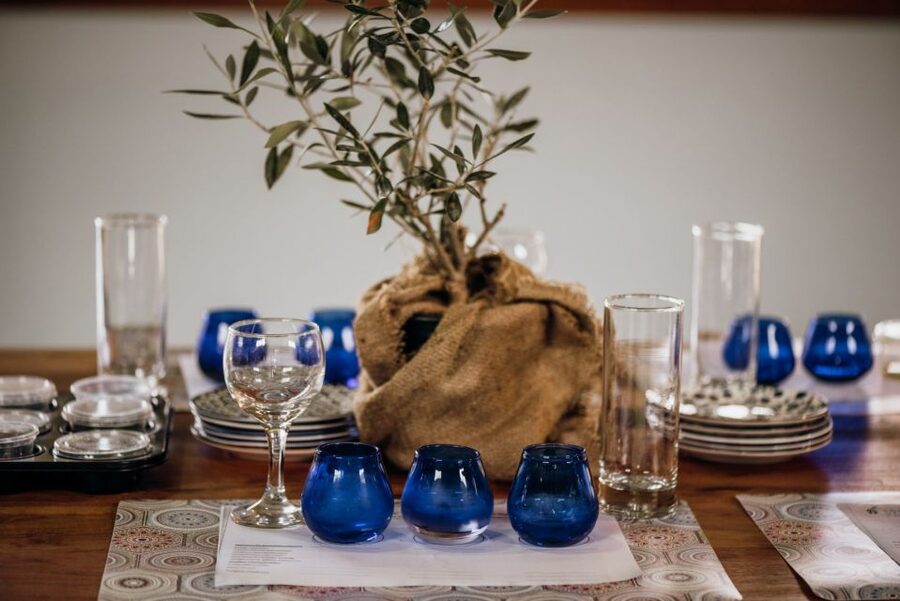
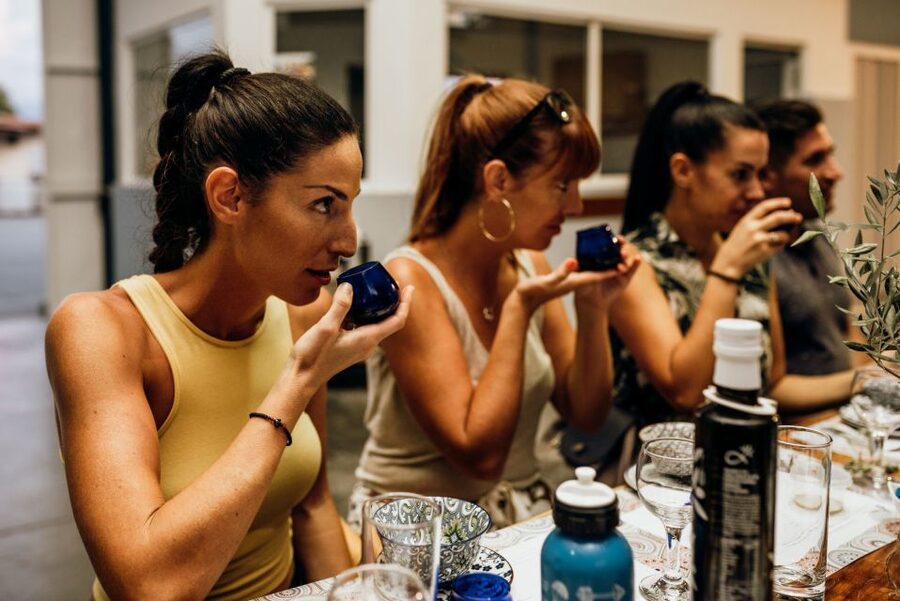
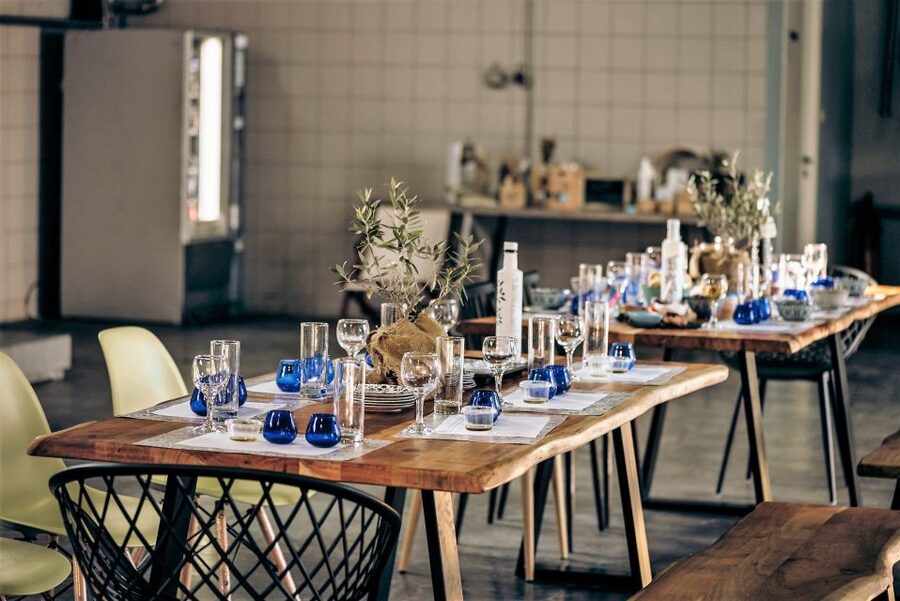
The tasting session takes place around a dining table with special blue olive oil tasting glasses. The blue color prevents you from judging the oil by appearance, which is important because color alone does not tell you whether an oil is good.
You begin with extra virgin olive oil made from the Koroneiki olive, a variety strongly associated with Greece. The certified taster explains its sensory qualities and teaches you how to notice the features that define extra virgin olive oil.
You then compare other Greek varieties, including Manaki, Xalkidikis, and Mavroelia. The point is not to declare one oil the winner. It is to notice differences in aroma and flavor, and to understand why one oil may work better with a particular dish.
This is the part where the $106 price begins to make sense. You are not simply sampling several pours. You are being taught a skill you can use later in Greece, at home, or in a food shop. You may start to notice bitterness, fruitiness, peppery sensations, and other qualities that were easy to miss before.
The tasting is guided, but you do not need special training. Dimitra’s style is to involve people by name and use questions and games to keep the group active. That makes the session accessible to families and mixed-age groups. It also means the tone may be more lively than formal. If you want a quiet, highly technical certification-style tasting, this is probably not the right format. If you want to learn while eating and talking, it fits well.
Pairing olive oil with Messinian food
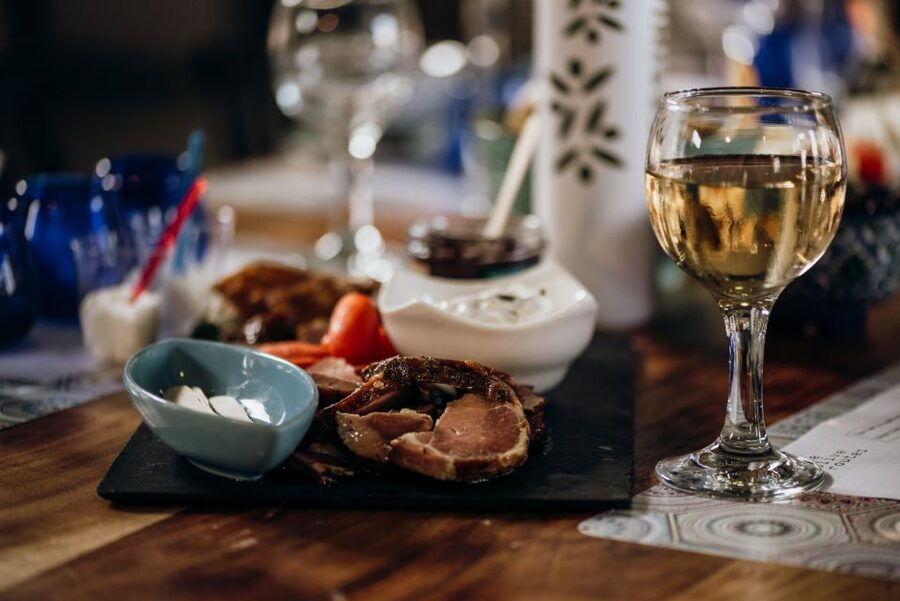
The tasting does not stop with bread and a small cup of oil. You combine the oils with at least four different plates and test your own flavor pairings.
The food can include:
- Kalamata olives
- Olive paste
- Lalaggia, a local fried dough
- Sfela, a regional cheese
- Pasto, or smoked ham
- Tzatziki
- Fruit
- Small gourmet dishes
- Other local cheeses and traditional recipes
This is one of the strongest parts of the experience because it shows how oil functions in Greek cooking. A peppery oil may change the effect of a simple dish. A softer oil may suit fruit or a mild cheese. You are encouraged to make your own combinations instead of receiving a fixed list of correct answers.
The food is described as tastings, but several versions of the experience have included a substantial local meal or lunch at a tavern. Plan accordingly. You should not arrive expecting only a token snack. The exact serving style may depend on the group and the day, but the food portion is clearly an important part of the tour.
The local products also give you a better sense of Messinia than a standard restaurant meal. Kalamata olives are familiar worldwide, but eating them alongside sfela, lalaggia, smoked ham, olive paste, and local oil connects them to the region’s wider food traditions.
Dietary needs may be manageable, but you should raise them when booking. One group with a gluten-free diet received suitable food, though a dessert was not included for that person. That is encouraging, but it is still best to ask in advance rather than assume every dish can be changed.
The guides and the personal touch
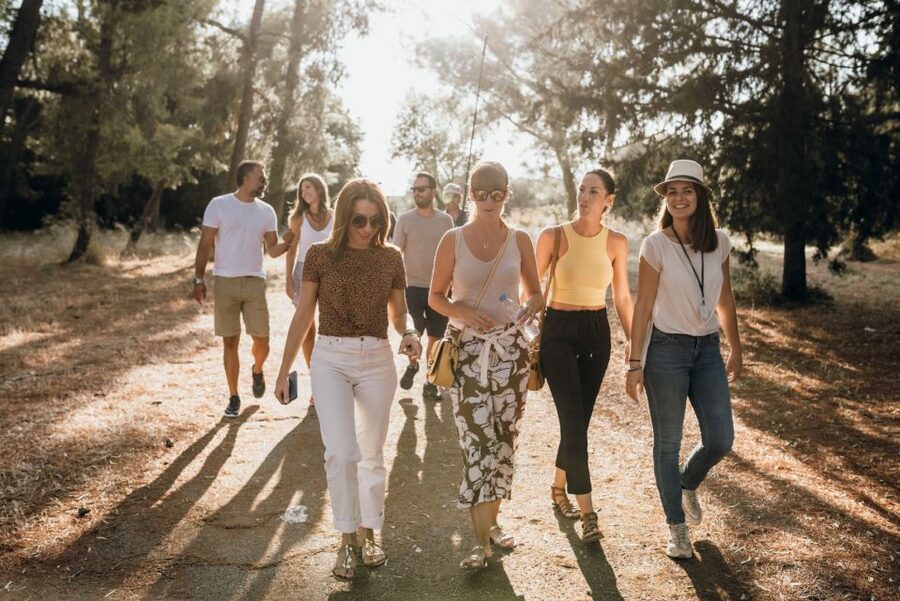
The people leading this experience are a major part of its appeal. Dimitra is repeatedly described as warm, involved, and passionate about olive oil and Greek culture. She shares her family’s history in olive farming and milling rather than presenting the subject as a set of detached facts.
Athanasia and the mill team add to that sense of welcome. The guides use names, ask questions, and make room for conversation. That helps a small group feel comfortable, especially when people arrive with different levels of interest.
The approach is not completely formal. One experienced visitor initially found the teaching style a little like an introductory school lesson, but later felt that the games helped the group learn more deeply. That is useful to know. You will probably enjoy the tour more if you accept the interactive style instead of expecting a silent lecture from an expert.
The result works for couples, families, and older relatives. A four-year-old joined one tour and was included in the conversation. Teenagers also enjoyed the activities. The subject may sound specialized, but the combination of walking, stories, tasting, and food keeps it varied.
Is $106 a fair price?
At $106 per person for three and a half hours, this is not the cheapest olive oil visit in Greece. You are paying for a guided experience rather than a quick mill stop.
The price includes entrance fees, olive oil tastings, food tastings with local products, a local tour leader, a certified taster, taxes, and photos from the tour. It does not include transportation from Kalamata or elsewhere.
I consider the cost fair if you value instruction and local contact. You receive several distinct parts: the castle setting, an olive grove walk, a family mill visit, a professional tasting, and a meal-like spread of regional food. If the meal is generous on your departure, the value improves further.
The tour is less compelling for someone who only wants to buy a bottle of oil or take a quick photograph among trees. You can find simpler tastings for less money. This experience earns its price through the people, the family story, and the chance to understand what you are tasting.
Photos from the tour are included, which is a pleasant extra. More important, you may be able to arrange shipment of olive oil home through the host. That possibility was useful to one group, but ask Dimitra directly for the current details and costs.
Who should book this experience?

I would recommend it to anyone staying in Kalamata who wants a food experience tied to the countryside. It also works well as a half-day outing from Ancient Messene, given the short drive from the meeting point.
Families should consider it seriously. Children can walk among the trees, see the mill, taste familiar foods, and take part in the interactive activities. Older family members can enjoy the cultural stories and meal, though anyone with limited mobility should ask about the walking surfaces before booking.
It suits first-time visitors who want an introduction to Greek olive oil, but it also has enough family and regional detail for repeat visitors to Greece. The tasting is especially useful if you buy olive oil at home and want to understand labels and flavor.
It may not suit you if you dislike group activities, outdoor walking, or food tastings. The program moves through several venues, so it is not a single seated presentation. You also need to arrange your own transport to Androusa.
Practical advice before you go
Wear comfortable shoes with a firm sole. The olive grove and castle area are outdoor settings, and the ground may not be as smooth as a city pavement.
Bring a sun hat and sunscreen, especially from late spring through summer. The three-and-a-half-hour duration includes time outdoors, and shade should not be assumed.
Keep some room in your appetite. The oil pairings and local products can add up to a full meal, particularly when a tavern lunch is part of the day’s arrangement.
Check the meeting point carefully. Go to the area outside Androusa Castle on the main road, not simply to an address that a booking app may display.
The tour is offered in Greek and English. Cancellation is free up to 24 hours in advance, and you can reserve while postponing payment, which helps if your Peloponnese schedule is still shifting.
Should you book the Olive Oil Routes Tour?
Book it if you want to understand why olive oil matters in Messinia, not just taste it. The combination of ancient trees, a fifth-generation mill, a certified tasting, and local food gives you a well-rounded half-day with real regional character.
The strongest reason to go is the personal teaching. Dimitra and the wider team connect farming, family, history, and food in a way that makes the subject stick. The main drawbacks are the need to arrange transport and the somewhat playful group format.
For a quick purchase or a short tasting, choose something simpler. For a friendly, food-centered outing that gives you a new way to taste Greek olive oil, this is a very good use of half a day in the Kalamata area.
FAQ
Where does the Olive Oil Routes Tour begin?
Meet your guide outside the 13th-century castle of Androusa, on the main road. The location is about a 20-minute drive from Kalamata and 10 minutes from Ancient Messene.
Is transportation from Kalamata included?
No. Hotel pickup and drop-off are not included. You can reach the meeting point by car or taxi.
How long does the experience last?
The tour lasts three and a half hours.
Which languages are offered?
The live tour is available in Greek and English.
What olive oils will I taste?
The tasting includes Koroneiki extra virgin olive oil and other Greek varieties such as Manaki, Xalkidikis, and Mavroelia.
What food is included?
Food tastings include local olive-based goods and small plates. These may include Kalamata olives, olive paste, lalaggia, sfela, smoked ham called pasto, tzatziki, fruit, local cheeses, and other traditional dishes.
What should I bring?
Bring comfortable shoes, a sun hat, and sunscreen. You should also check in advance about any dietary requirements you have.
Recently reviewed around Peloponnese
- Rafting Lousios river★ 5.0 · 36 reviews
- Explore Mani by boat – rent a boat in Kardamili (no licence)★ 5.0 · 27 reviews
- Traditional Food tour, Olive oil Tasting with Lunch in Kalamata, Messinia!★ 5.0 · 30 reviews
- Organic Olive Grove tour & Olive oil tasting & lunch in Kalamata!★ 5.0 · 61 reviews
- Rock Climbing at Kardamili- West Mani★ 5.0 · 192 reviews
- Boat Tour with Snorkeling in Kardamili – Mani★ 5.0 · 30 reviews
- Savor Nafplio Cooking Class★ 5.0 · 68 reviews
- Epidavros sea kayak at the Ancient sunken city tour, small ancient theater★ 5.0 · 96 reviews
Olive Oil Tastings, compared.
Knossos-Zeus Cave -Old Traditional Villages-Olive Oil Factory
Read our review →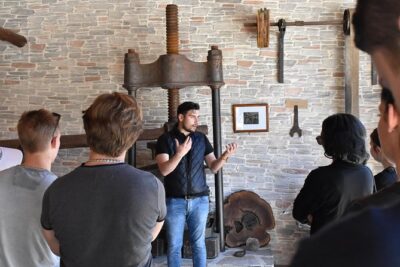
The Governor’s Olive Mill Tour with Olive Oil Tasting
Read our review →
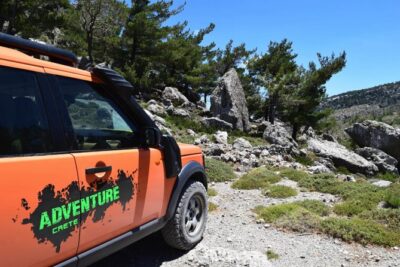
Zeus Cave, Lassithi Plateau, Olive Oil Factory, Kritza, Pottery
Read our review →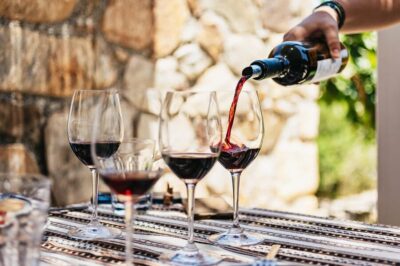
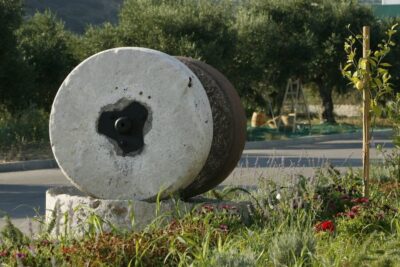
Knossos & Lasithi Plateau: Zeus Cave,Villages, Olive Oil Tour
Read our review →
Browse the lists this tour appears in