Reviewed · ATHENS TOURS
Athens: Family Mythology Treasure Hunt and Tour
Athens becomes a game board on this family treasure hunt. You help Athena defeat Poseidon and win the right to name the city, while a guide leads you through Plaka, past the Temple of Olympian Zeus, and up to fine Acropolis viewpoints. The phone-based riddles give children a job to do, not just monuments to look at.
I like the mix of mythology and real places, and I like that the reward system supports sustainability, women’s empowerment, and innovation. The lukumades, Greek donuts with honey and cinnamon, are a welcome treat. The main caution is simple: this is a walking tour with stairs and mild uphill stretches, and hot weather can make the two hours feel longer.
In This Review
- Key points at a glance
- Why this Athens treasure hunt works for families
- Starting at Hadrian’s Arch
- The Temple of Olympian Zeus, where scale does the talking
- Plaka turns ancient myths into a walking puzzle
- Anafiotika offers a quieter change of scene
- Areopagus brings stairs, effort, and wide views
- The tucked-away stop rewards curiosity
- Lukumades provide the right kind of history lesson
- What the gem system adds
- The final ceremony and Acropolis backdrop
- Is $59 per person good value?
- Who should book this activity?
- Practical tips for a smoother hunt
- Should you book the Athens mythology treasure hunt?
- FAQ
- Where does the Athens mythology treasure hunt begin?
- How long does the experience last?
- Which languages are available?
- What food is included?
- What should I bring?
- Is there much walking or climbing?
Key points at a glance
- Athena’s city-naming contest: Children solve clues tied to the myth of Athena and Poseidon.
- A smart route through central Athens: Hadrian’s Arch, the Temple of Olympian Zeus, Plaka, Anafiotika, Areopagus, and a tucked-away stop all fit into the quest.
- Guides keep the game moving: Guides such as Jo, Maria, Konstantinos, Aliki, and Orestis have been praised for patience, warmth, and clear explanations.
- Lukumades included: You get Greek donuts with honey and cinnamon, plus water.
- A useful phone activity: Bring a charged smartphone, but the guide supplies the digital materials.
- Good family photo finish: The hunt ends with a ceremony and Acropolis views.
Why this Athens treasure hunt works for families
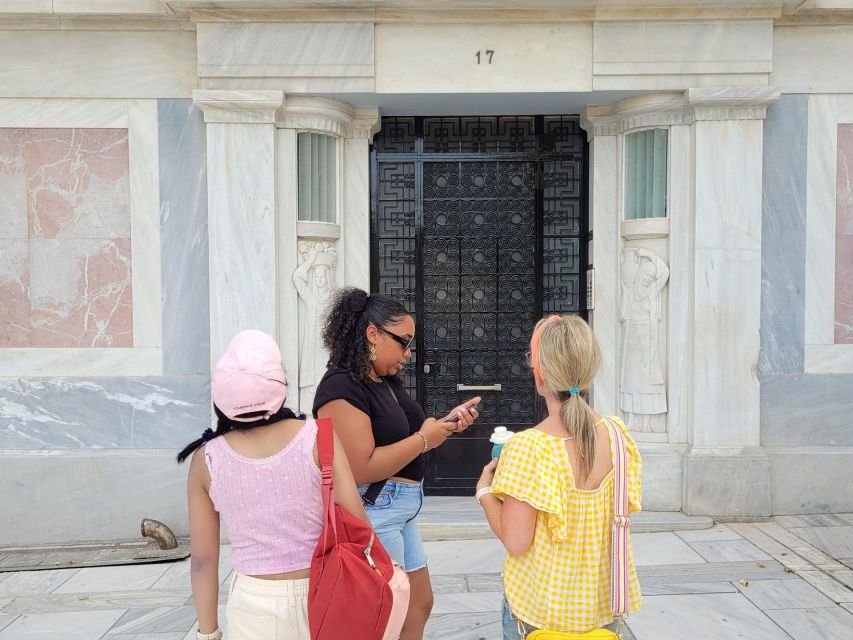
Many Athens tours ask children to listen quietly while an adult explains columns, gods, and ancient dates. This one gives the kids a mission. You are not simply walking from monument to monument. You are collecting clues, answering riddles, and gathering gems that help Athena in her contest with Poseidon.
That structure matters. A five-year-old may not follow every historical detail, but can still search for the next clue. An older child or teenager can read the app text and solve the answer. Adults get the sightseeing and the guide’s explanations without having to invent a game on the spot.
The activity has a 4.8 rating from 42 bookings, and the most consistent praise is for the guides. Jo has been singled out for taking good care of families and keeping a 13-year-old focused. Maria has guided families with children as young as five and ten. Aliki and Orestis have also been noted for making the hunt friendly and easy to follow. You may meet a different guide, but the experience clearly depends on having an upbeat person who can balance play with history.
The advertised length is two hours. One family found its outing lasted closer to three hours, with time for food, rest, a playground break, and the final climb. That is not a problem if your schedule is loose, but I would avoid booking it immediately before a timed museum entry or ferry departure.
More Athens trips worth a second look
- Athens: Acropolis & up to 5 Archaeological Sites Combo Pass
★ 4.4 · 12,619 reviews - Athens: Acropolis Ticket with Optional Audio or Live Guide
★ 4.2 · 11,055 reviews - Athens: Acropolis, Parthenon & Acropolis Museum Guided Tour
★ 4.8 · 9,316 reviews
Starting at Hadrian’s Arch

The meeting point is Hadrian’s Arch, at Leof. Vasilisis Amalias 50. This is a practical place to begin because it puts you beside one of central Athens’ most recognizable Roman-era monuments and close to the Temple of Olympian Zeus.
Your guide provides the digital materials needed for the hunt. You should still bring your own charged smartphone, since the riddles and written clues are central to the activity. Sunglasses and comfortable shoes are sensible choices, especially because the route later includes steps and mild uphill walking.
The exact meeting instructions arrive by email after booking, so check your spam folder. That small detail can save you from standing at the arch wondering which side of the road to use.
The Temple of Olympian Zeus, where scale does the talking
The next area is the Temple of Olympian Zeus. The planned visit is short, about ten minutes, and the stop is described as a visit and sightseeing pass-by rather than a long archaeological-site session.
That makes this a quick orientation stop, not a substitute for a full temple visit. The columns are the point: they help children grasp how ambitious ancient builders were, while the guide connects the place to the gods and stories behind the city. The game gives you a reason to pause and look, rather than racing past on the way to Plaka.
If your family wants detailed archaeological commentary, this tour will feel light. Its strength is movement and story. You get a clear taste of the monument, then continue toward the more intimate streets around the Acropolis.
Plaka turns ancient myths into a walking puzzle
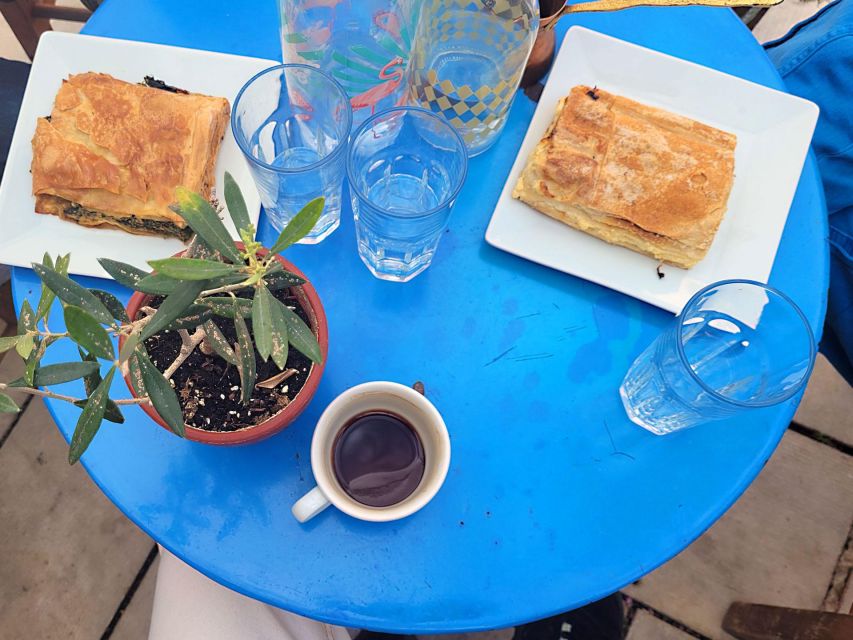
Plaka is the historic neighborhood surrounding the Acropolis, and it is the best setting for this kind of activity. The streets and lanes create natural changes of pace. You may be reading a clue in one spot, looking for a landmark in the next, then stopping while the guide explains how myth and city identity overlap.
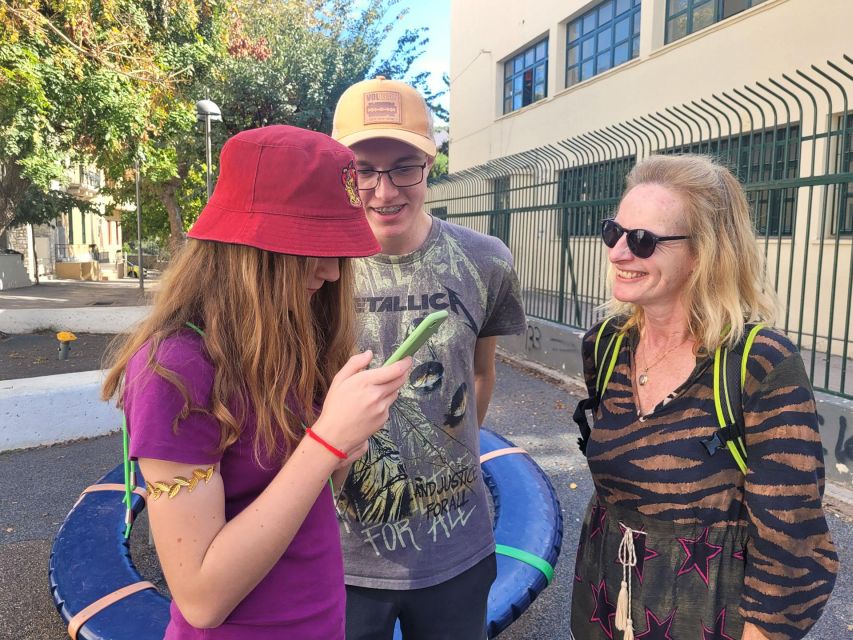
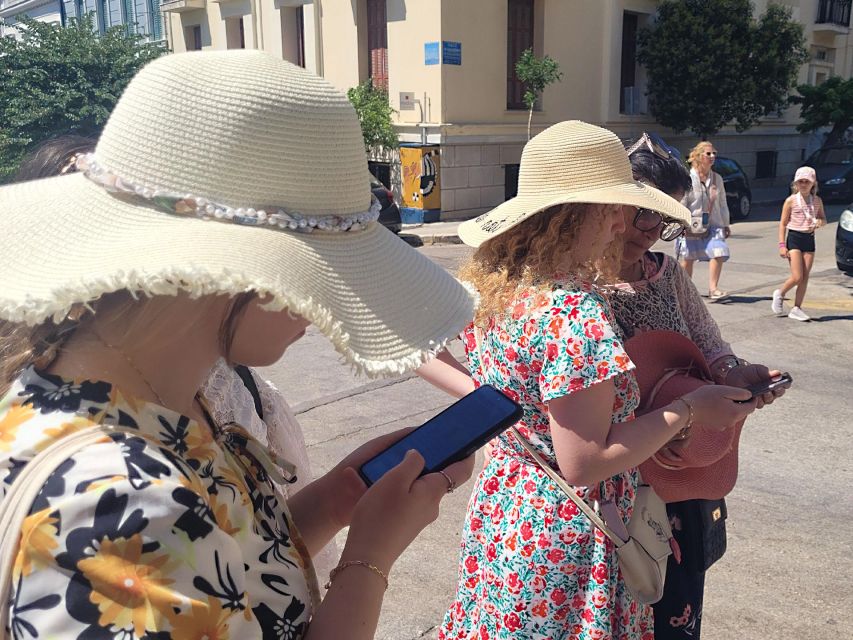
The app gives you written text to read and riddles to answer. When you solve one, it points you toward the next stop. That keeps the children involved, but it also gives adults a clear sense of progress. If your child gets stuck, the guide is there to help rather than letting the puzzle become frustrating.
This is also where the tour feels less like a lecture. The guide can answer questions as they arise, and children can ask about Greek history without waiting for a formal question period. One 10-year-old described the activity as the best part of a trip, which makes sense: the hunt turns Athens into something he can participate in.
A different kind of day out, same corner of Greece:
- Athens: Cape Sounion & Poseidon Temple Sunset Half-Day Trip
★ 4.8 · 8,241 reviews - Athens: Acropolis and Parthenon Guided Walking Tour
★ 4.6 · 5,882 reviews - All Day Cruise -3 Islands to Agistri,Moni, Aegina with lunch and drinks included
★ 5.0 · 4,958 reviews - Athens, Piraeus, and Coastline: Blue Hop-On Hop-Off Bus
★ 3.9 · 4,849 reviews
Anafiotika offers a quieter change of scene
Anafiotika is included as a visit and photo stop. Its narrow lanes and small-scale setting feel very different from the broad streets around the major monuments. The route uses this change in atmosphere well, giving your family a place to take photographs and search for the next clue.
The stop is planned for about ten minutes, so do not expect a long free period. You will be moving as part of the quest, with the guide keeping an eye on the clock and the next puzzle.
This is a good point for family photos because the route is already focused on unusual corners rather than only the grandest monuments. Keep your phone ready, but remember that it is also your game tool. A charged battery matters more here than it does on an ordinary guided walk.
Areopagus brings stairs, effort, and wide views
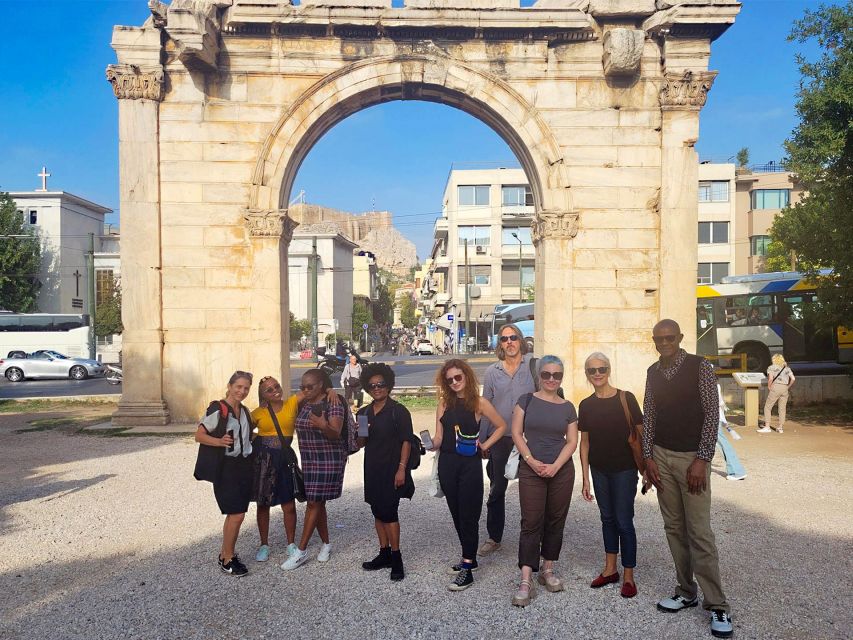
The route continues to Areopagus, one of the higher points near the Acropolis. It is listed as a photo stop and visit, and the final climb gives the tour its strongest reward for adults: broad views over Athens with the Acropolis close at hand.
This is also the section where you feel the walking most. There are staircases and mild uphill stretches, so comfortable shoes are not optional advice. A family with a young child found bringing a stroller useful, though the route’s steps and uneven sections may still require careful handling. If you use a stroller, expect to lift or manage it in places rather than rolling without interruption.
The view is worth the effort, but heat changes the calculation. A family completing the hunt during a heat wave found the conditions difficult. If you are visiting in hot weather, bring sunglasses, take the water provided, and tell the guide if you need a short pause.
The tucked-away stop rewards curiosity

The itinerary includes another stop described simply as a tucked-away place to visit and walk through. That vagueness is part of the hunt’s design. You are meant to follow the clues and discover the location with the guide, not treat the route as a standard checklist of famous sights.
One child was still searching for the olive tree connected to the hunt, which suggests that some clues may remain memorable after the tour ends. The point is not only to collect every answer quickly. It is to notice details in the streets and give children a reason to look closely.
Because the stop is not presented as a major monument, it may be less satisfying to someone who wants a long list of headline sights. For a family, though, a smaller discovery can be more engaging than another formal explanation of a column.
Lukumades provide the right kind of history lesson
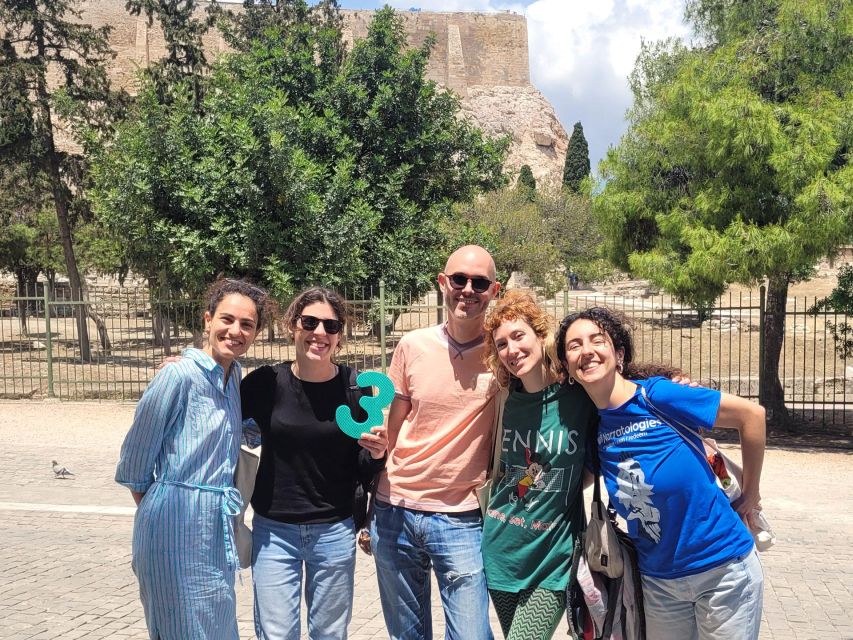
The included food stop features lukumades, Greek donuts served with honey and cinnamon, along with water. They are lighter than some familiar doughnuts, and they give children a clear reward in the middle of the walking.
Food helps the pacing. Small legs get a break, adults get a chance to regroup, and the guide can continue the conversation without asking everyone to walk and listen at the same time. One family also described a traditional tavern stop during its outing, but the standard inclusion specifically promises one lukumades food stop, so you should plan around that rather than expect a full meal.
Tell the guide about dietary restrictions before or at the start. Drinks besides water are not included, so bring extra money if your family wants soft drinks or other beverages.
What the gem system adds

As you solve riddles, you collect gems. These can be redeemed online for family-friendly gifts connected with sustainability, women’s empowerment, and innovation.
The prize is not the main reason to book, but it gives the children a satisfying finish. Instead of solving a clue and immediately moving on, they can see that their work builds toward something. It also adds a small social purpose to the game without turning the tour into a lecture about shopping or charity.
You should think of the gems as a bonus rather than a guaranteed major souvenir. The supplied information does not specify the exact gifts or how many gems you need for each reward.
The final ceremony and Acropolis backdrop
The quest ends with a celebratory ceremony led by the guide and family photos on Acropolis Hill. This gives the activity a proper ending, which is important for younger children. They complete the mission, help Athena, and receive a moment to celebrate the result.
The photo stop also gives you something beyond the game itself. You leave with a family picture showing the Acropolis behind you, rather than only screenshots of puzzle answers. Ask your guide to help with the group photo if needed.
The route does not describe entry into the Acropolis monuments, and the Temple of Olympian Zeus stop is brief. You should book this for the combination of outdoor sightseeing, mythology, and family participation, not as your main archaeological tour.
Is $59 per person good value?
At $59 per person, the cost is higher than a basic self-guided walk, but you are paying for more than an app. The price includes a live guide, digital riddles, the food stop, water, the gem reward system, a mythology-based route, and the guide’s help when children get stuck.
For a family of four, the total cost is significant. The value improves if your children are at the age where a normal sightseeing tour would lose them. You are buying two hours of structured activity that combines movement, learning, snacks, and photos. The guide also removes the work of finding the stops and turning the mythology into something children can follow.
The value is weaker if your family prefers slow museum visits, dislikes phone-based games, or wants detailed ancient history at each monument. In that case, a conventional guide or self-guided archaeological visit may suit you better.
Group size can affect the experience. One family happened to have the hunt to itself, which made it easy to move at its own pace and ask many questions. The supplied details do not set a maximum group size, so ask if that matters to you before booking.
Who should book this activity?
I would choose this for families with children roughly five to early-teen years old, especially kids who like puzzles, stories, and a clear goal. The activity has worked for a five-year-old with a stroller, a lively seven-year-old, a focused 10-year-old, and a 13-year-old who enjoyed the structure.
It also suits parents who want their children to learn without forcing a formal lesson. The guide adds context, while the app gives kids something active to do. Adults who enjoy mythology and neighborhood walks will have plenty to appreciate too.
I would be more cautious if anyone in your group struggles with stairs, heat, or extended walking. The route is not described as fully accessible, and the Areopagus section includes a climb. A stroller can help with a small child, but it will not remove the need to manage steps.
Practical tips for a smoother hunt
- Charge your smartphone fully before meeting the guide.
- Wear shoes suitable for stairs, uphill streets, and uneven walking.
- Bring sunglasses and consider extra drinks, since only water is included.
- Keep your schedule flexible. Two hours is the stated duration, but the outing may run longer when families stop for food, questions, photos, or breaks.
- Tell the guide about dietary restrictions.
- Check your email and spam folder for the exact meeting instructions.
- If your children tire easily, bring a stroller for younger ones and allow time for pauses.
- Treat the phone as a tool, not the whole activity. Encourage children to look up from the screen at the monuments and streets around them.
Should you book the Athens mythology treasure hunt?
Book it if you want Athens sightseeing with a built-in game, a friendly guide, and a sweet snack. The strongest part is the combination of real landmarks and child-sized challenges. Children solve clues while adults enjoy Plaka, Anafiotika, the Temple of Olympian Zeus, and the Acropolis views.
Skip it if you want a quiet, highly detailed archaeological tour or if your group cannot manage stairs and uphill walking. For most active families, though, $59 per person is a fair price for a guided two-hour experience that keeps children involved and gives you a memorable way to see central Athens.
FAQ
Where does the Athens mythology treasure hunt begin?
It begins at Hadrian’s Arch, at Leof. Vasilisis Amalias 50, Athina 105 58, Greece. Exact meeting instructions arrive by email after booking.
How long does the experience last?
The stated duration is two hours. Some outings may take longer when families allow extra time for food, questions, rest breaks, photos, or the final climb.
Which languages are available?
The live guide service is available in English and Greek.
What food is included?
The activity includes Greek donuts called lukumades, served with honey and cinnamon, plus water. Drinks besides water are not included.
What should I bring?
Bring sunglasses, comfortable shoes, and a charged smartphone. The guide provides the digital materials needed for the hunt.
Is there much walking or climbing?
Yes. The route includes walking through Plaka and nearby areas, along with staircases and mild uphill sections. The Areopagus portion includes a climb, so comfortable footwear is important.
Recently reviewed around Athens
- Small-Group Women History in Ancient Greece Walking Tour★ 5.0 · 38 reviews
- Ceramic and Pottery Creative Workshop with Two Local Artists★ 4.0 · 57 reviews
- Athens: Wine Workshop Create your Own Wine under the Acropolis★ 5.0 · 77 reviews
- Athens: Greek Wines Tasting with Sommelier and Acropolis Views★ 5.0 · 88 reviews
- Wine Trails Private Tour/ Nemea visit 3 wineries from Athens or Nafplion (10 h)★ 5.0 · 44 reviews
- Hydra Private Day Trip by Ferry from Athens with Transfers★ 4.0 · 30 reviews
- Small-Group Wine Tour in Athens with Tasting★ 5.0 · 33 reviews
- Private Athens Transfer Airport/Port -Greek Tours-Hourly service★ 5.0 · 88 reviews
Athens Tours, compared.

Acropolis & up to 5 Archaeological Sites Combo Pass
Read our review →

Acropolis, Parthenon & Acropolis Museum Guided Tour
Read our review →
Cape Sounion & Poseidon Temple Sunset Half-Day Trip
Read our review →

All Day Cruise -3 Islands to Agistri,Moni, Aegina with lunch and drinks included
Read our review →