
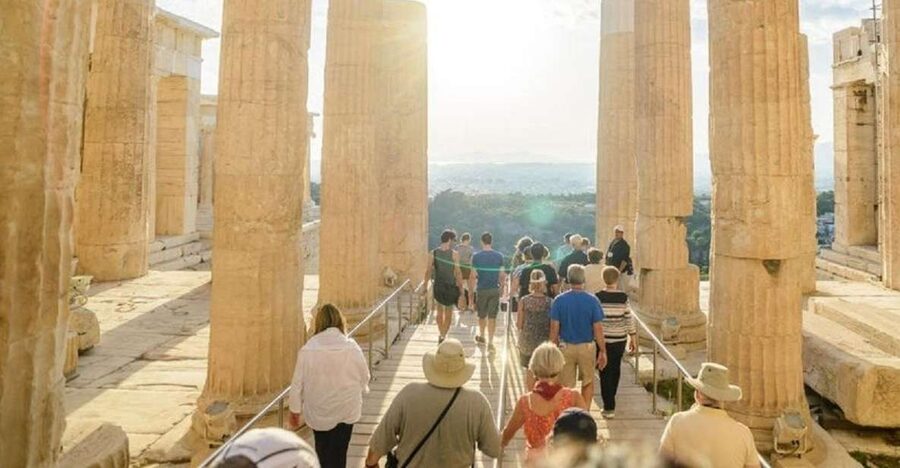
Reviewed · ACROPOLIS & ACROPOLIS MUSEUM TOURS
Athens: The Acropolis Walking Group Tour with a French Guide
The best part of this French-language Acropolis tour is its timing. Afternoon and evening visits can bring softer light, less heat, and, on a lucky day, a sunset over Athens. You climb through more than 2,500 years of history, from the Theater of Dionysus to the Parthenon.
I like the clear chronological route and the guide’s use of stories and modern anecdotes, which help turn broken stones into a readable human story. I also like the express security check and the chance to see the Acropolis with a licensed archaeologist such as Myrto. The main drawback is the short 1.5-hour schedule, which can feel slow for some people and brisk for others.
In This Review
- Key points to know before you book
- Why the late afternoon is the smart choice
- Meeting your guide near Porinou Street
- The first climb and the Theater of Dionysus
- Asclepius and the Odeon of Herodes Atticus
- The Propylaea and Temple of Athena Nike
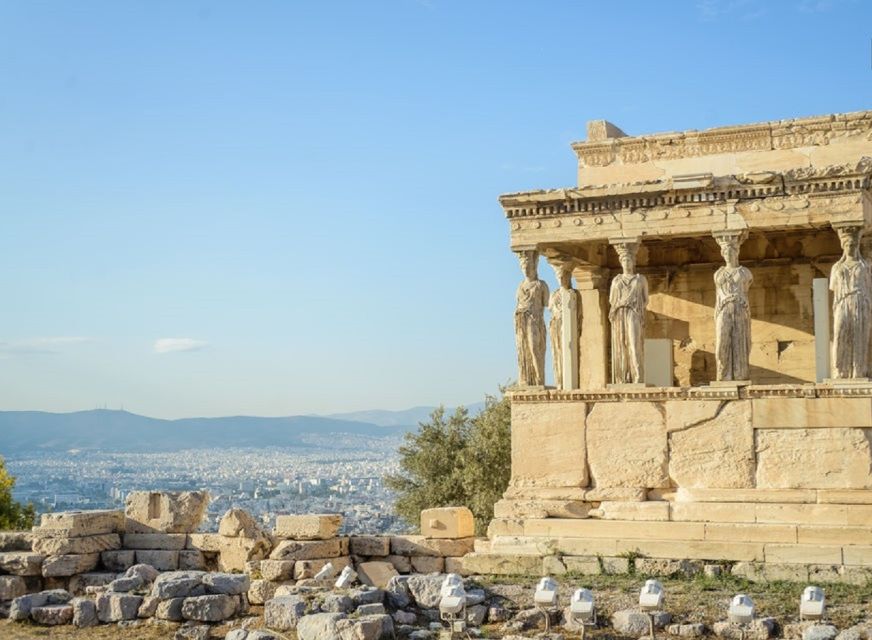
- The Erechtheum and its Caryatids
- The Parthenon and Athens from above
- How good is the French guiding?
- What to wear and what not to carry
- Is $80 a fair price?
- Who should book this Acropolis tour?
- Should you book it?
- FAQ
- How long does the Acropolis walking tour last?
- What language is the tour conducted in?
- Is the Acropolis entrance ticket included?
- Where is the meeting point?
- What should I bring?
- Can I bring food, a stroller, or a large bag?
Key points to know before you book
- French-speaking archaeologist guide: Expect live explanations in French from a licensed guide, with Myrto among the guides named in visitor feedback.
- Late-day atmosphere: The 3:30 p.m. departure mentioned in feedback offered warm light and a possible sunset before the 6 p.m. closing time.
- Classic Acropolis route: The visit includes the Theater of Dionysus, Asclepius sanctuary, Odeon of Herodes Atticus, Propylaea, Temple of Athena Nike, Erechtheum, and Parthenon.
- Panoramic Athens views: The hilltop position gives you broad views across modern Athens and the ancient site.
- Real walking required: Expect an uphill route over uneven and sometimes slippery stone, with no strollers, large bags, or food allowed.
- Check the ticket option carefully: The booking information says admission is included, but also says the entrance fee may need to be bought online unless you select the option with tickets.
Why the late afternoon is the smart choice
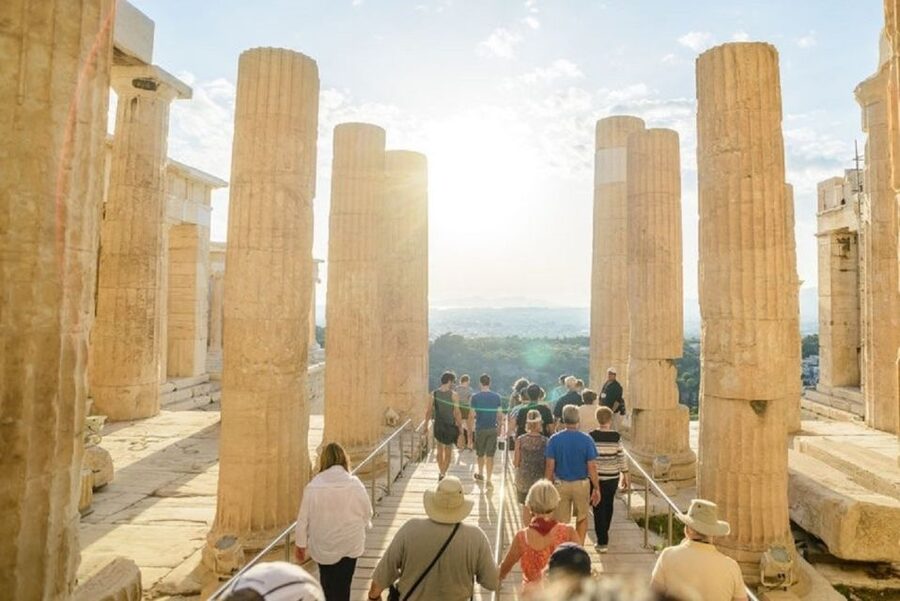
The Acropolis is exposed, paved with ancient stone, and reached by an uphill walk. In summer, the sun can make even a short visit feel demanding. A late-afternoon start gives you a better chance of cooler air and gentler light, though you should still bring a hat, sunscreen, sunglasses, and light clothing.
The available start times vary, so check the schedule before booking. One 3:30 p.m. visit finished with the sun beginning to drop and the site closing at 6 p.m. That timing can be especially attractive if you want photographs without the hardest midday glare.
You should not assume the site will be quiet. The Acropolis is Athens’ main ancient attraction, and crowds can change from one hour to the next. Still, an afternoon slot may be calmer than the morning, and the later light gives the marble a warmer appearance.
The trade-off is time. At 1.5 hours, this is a focused introduction rather than a long archaeological study. If you want to linger at every monument, sketch, take many photos, or spend extra time at the museum, plan a separate visit.
More Walking Tours in Athens
- Athens: Acropolis and Parthenon Guided Walking Tour
★ 4.6 · 5,882 reviews - Greek Food Walking Tour in Athens
★ 5.0 · 4,740 reviews - Acropolis: Acropolis and Parthenon Guided Walking Tour
★ 4.7 · 3,442 reviews
Meeting your guide near Porinou Street
You check in at the Athens Walks Tour Company office at Porinou 5, postal code 11742, near the Acropolis. This location is intended to be easy to find, and you should allow enough time to locate the office before the group sets off.
The tour does not include hotel pickup or drop-off. You make your own way to the meeting point, which works well if you are already staying in central Athens or visiting the Plaka and Acropolis neighborhoods that day.
The guide leads the group into the archaeological area after the express security check. The wording about admission needs careful attention when you reserve: the inclusions list says an Acropolis entry ticket is included, while the important information says the entrance fee is not included unless you choose the ticket option and may need to be purchased online in advance.
I would check the exact option shown at checkout rather than assume the $80 price covers admission. That small bit of care can prevent an awkward surprise at the entrance.
The first climb and the Theater of Dionysus
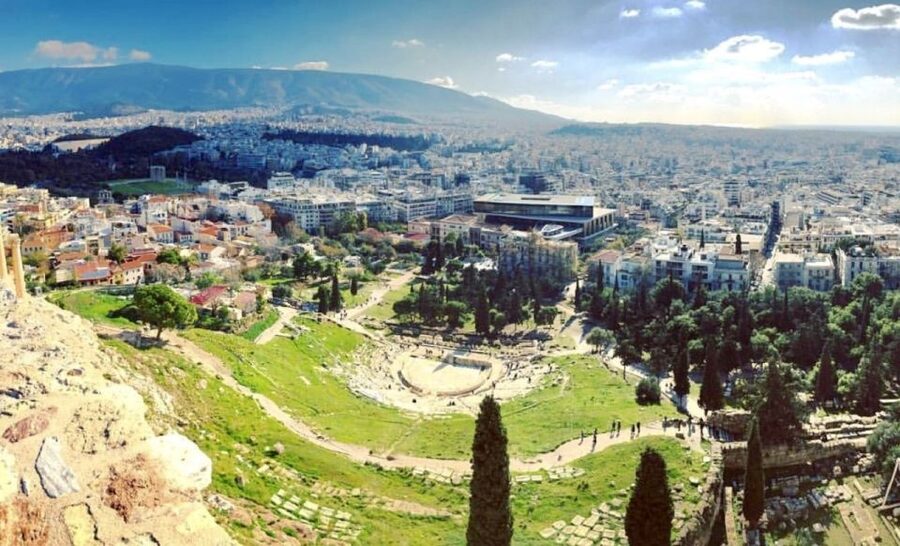
The route begins with the climb toward the Acropolis. You walk uphill over uneven surfaces, and some stones can be slippery. Comfortable shoes are not optional here. This is not a flat city stroll, and the site is not suitable for wheelchair users, people with back problems, or pregnant women.
One of the first major stops is the Theater of Dionysus. The theater is important not just because it is ancient, but because it connects the Acropolis to the early development of dramatic performance. Your guide places the stones in a human setting, explaining how this space functioned as a place for public performance and shared civic life.
A French-speaking guide makes a real difference if French is your strongest language. You can follow the chronology and archaeological terms without constantly translating in your head. The best part of this tour is not simply seeing the monuments, but understanding how the places relate to one another.
The uphill route also begins to open views toward Athens. You get an early sense of the contrast that defines the Acropolis: ancient foundations under your feet, a modern capital stretching out around you.
Asclepius and the Odeon of Herodes Atticus
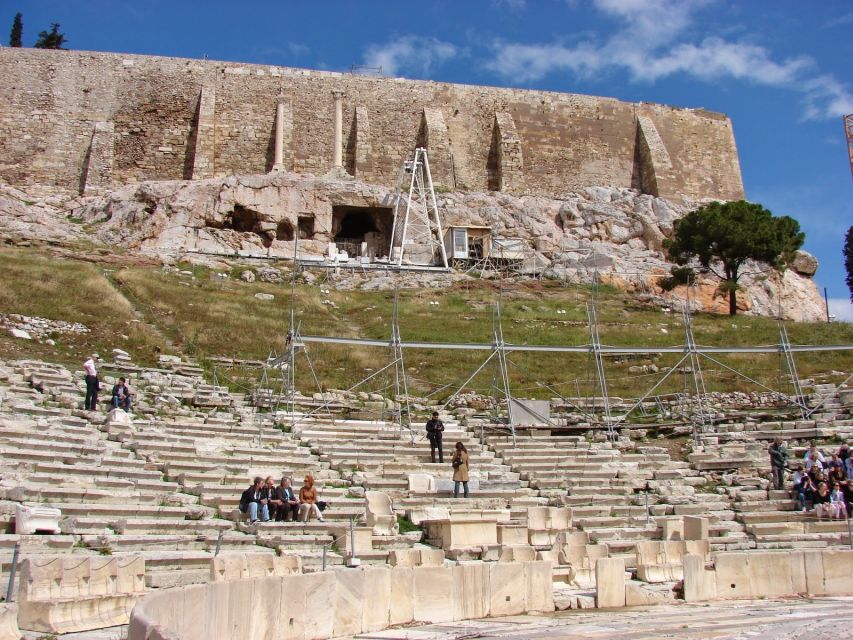
The tour continues to the remains associated with Asclepius, the ancient Greek god of healing. The sanctuary helps broaden the story beyond temples and political power. The Acropolis was also connected with worship, care, and rituals linked to health.
Your guide’s job here is to explain what you are seeing without pretending that every missing wall can be reconstructed perfectly. A good explanation helps you read the surviving foundations and understand why the site mattered, even when the remains are less instantly recognizable than the Parthenon.
Next comes the Odeon of Herodes Atticus. This Roman-era theater sits below the Acropolis and adds another layer to the site’s long story. The route covers more than the high point of classical Athens, showing how the hill remained important across different periods.
The itinerary is arranged in chronological order, which helps you keep track of the changes. You are not simply moving from one famous photo stop to another. You are following the site from early performance and worship through later building projects and the monuments above.
More Athens walks with a guide:
- Acropolis monuments & Parthenon Walking Tour with Optional Acropolis Museum
★ 5.0 · 2,678 reviews - Athens Acropolis and Parthenon Walking Tour
★ 4.5 · 1,355 reviews - Athens Authentic Greek Food Walking Tour (Small Group)
★ 5.0 · 809 reviews - Early Morning Acropolis & Old Athens Guided Walking Tour
★ 4.4 · 748 reviews
The Propylaea and Temple of Athena Nike
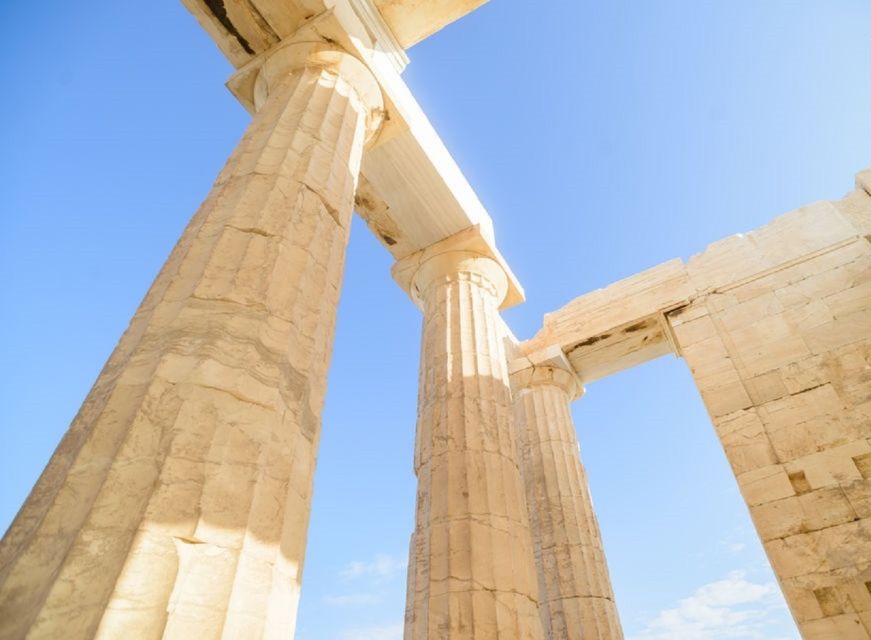
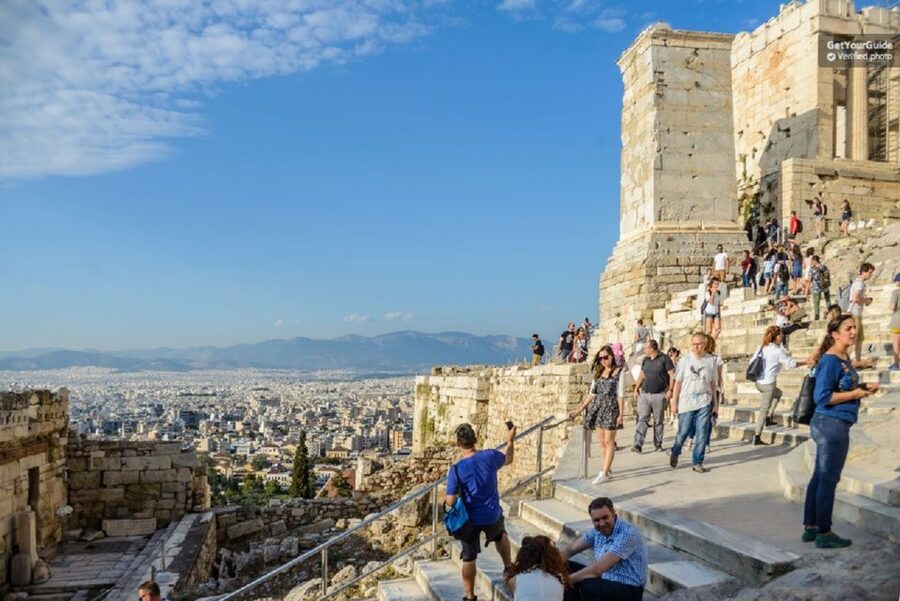
The Propylaea is the monumental gateway to the Acropolis. Even in its ruined form, it gives you a sense that reaching the summit was meant to feel significant. This was not an ordinary entrance. It prepared people for the sacred buildings beyond.
The gateway can also be one of the trickier parts of the visit for anyone who dislikes uneven ground or crowded movement. Keep your attention on your footing, especially when looking upward at the architecture.
Near the entrance is the Temple of Athena Nike, often described as the Temple of Wingless Victory. Its compact size makes it easy to overlook beside the Parthenon, but the guide can explain why it mattered and how its name relates to the goddess Athena.
This is where a licensed archaeologist guide adds value. Instead of treating every monument as a quick label, the guide can connect its design, purpose, and place within the Acropolis complex. The explanations are delivered in French, and the tour’s small-group format should make it easier to hear than on a large coach excursion.
Still, the group format means the pace is not entirely yours. One person found the visit too slow, so if you already know ancient Greek architecture well, you may want more independent time after the tour.
The Erechtheum and its Caryatids
The Erechtheum is one of the most visually distinctive buildings on the hill. Its uneven plan reflects the complicated sacred traditions of the Acropolis, where several important cults and stories came together.
The best-known feature is the Porch of the Caryatids, where sculpted female figures serve as architectural supports. What you see on site is a combination of the original setting and preserved sculpture, so listen closely as the guide explains what is present and what has been protected elsewhere.
This stop rewards patience. The Caryatids are easy to recognize, but the deeper interest lies in how sculpture and architecture work together. Your guide can help you look beyond the familiar image and notice the relationship between the porch, the building, and the hilltop setting.
The Erechtheum also gives you another chance to study the quality of ancient craftsmanship. Even among damaged buildings, the remaining details show how much attention went into proportion, carving, and presentation.
The Parthenon and Athens from above
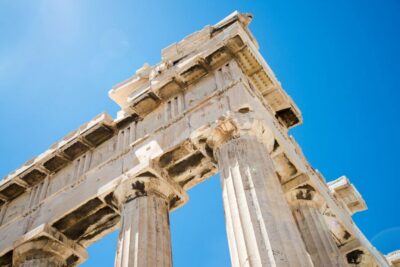
The Parthenon is the final major highlight and the crowning point of the visit. You see the temple from the outside, among the columns and surviving architectural remains, while the guide explains its role as a sanctuary dedicated to Athena and its place in classical Athens.
Do not expect a complete ancient building. Much of what makes the Parthenon moving is the combination of what survives and what has been lost. Your guide helps you understand the original design, the sculptures connected with the temple, and the long sequence of changes that shaped the monument.
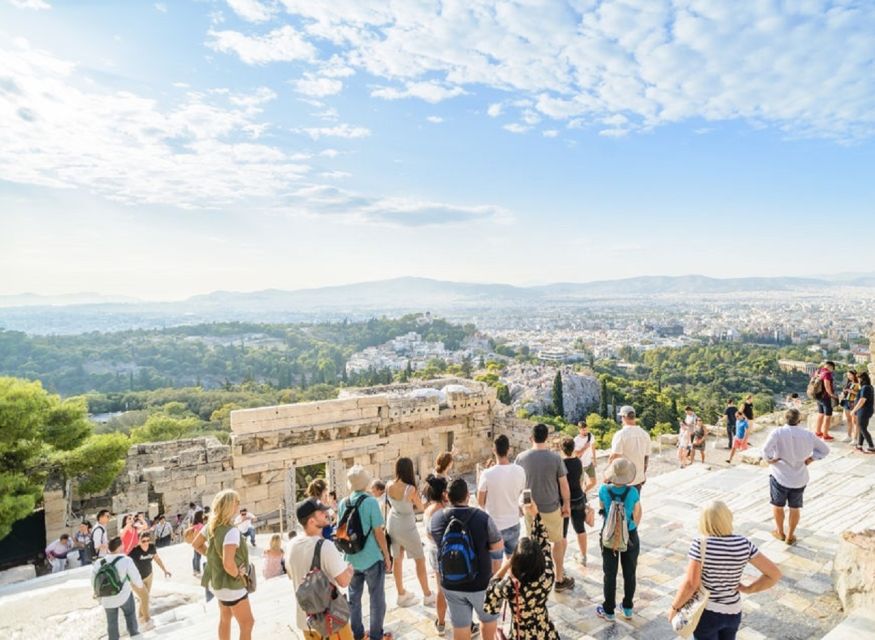
From this height, you can see much of Athens. The view is one of the tour’s strongest rewards. The city spreads in every direction, and the modern streets make the ancient hill easier to understand as a central point rather than an isolated ruin.
Late in the day, the light can be excellent. The sun may begin to set while you are still on the hill, depending on the season and closing time. One practical warning: sunset timing is not guaranteed, and the site may close before the sky reaches its best color.
The Parthenon area can also be crowded and exposed. Listen closely to the guide, keep your belongings close, and do not bring a large bag that could slow you down or be refused at entry.
How good is the French guiding?
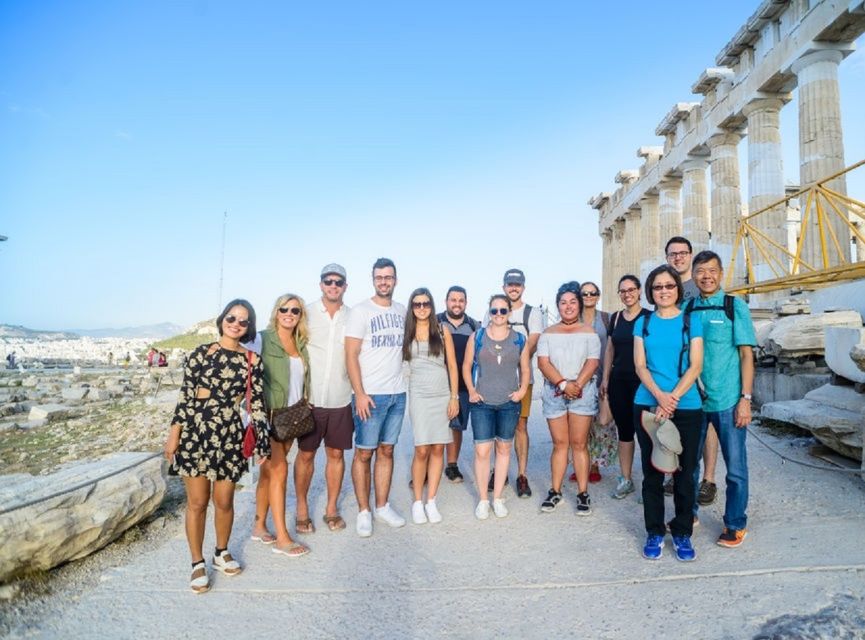
The strongest praise for this experience focuses on the guides’ explanations, historical knowledge, clear chronology, and friendly manner. Myrto is specifically named in feedback for lively anecdotes and for connecting ancient events with present-day Athens.
That modern connection matters. Ancient sites can feel remote when presented as a string of dates and names. A story about how the Acropolis is seen today, or how a ceremony nearby relates to contemporary Greek life, gives you a bridge between the ruins and the city you are visiting now.
The guide’s French is the central reason to choose this version of the tour. If you understand French comfortably, you get a more natural flow than you might with an audio guide or a language you only partly follow.
There was also a technical microphone problem on one visit. The explanations were still considered useful, but this is a reminder that sound can be difficult on an open hilltop. Stay near the guide when possible, especially if the group is spread out or wind picks up.
The tour is not designed for complete solitude. You are part of a small group, and the guide controls the route and timing. That is a fair exchange for context and easy navigation, but it will not suit you if you want to wander independently from the start.
What to wear and what not to carry
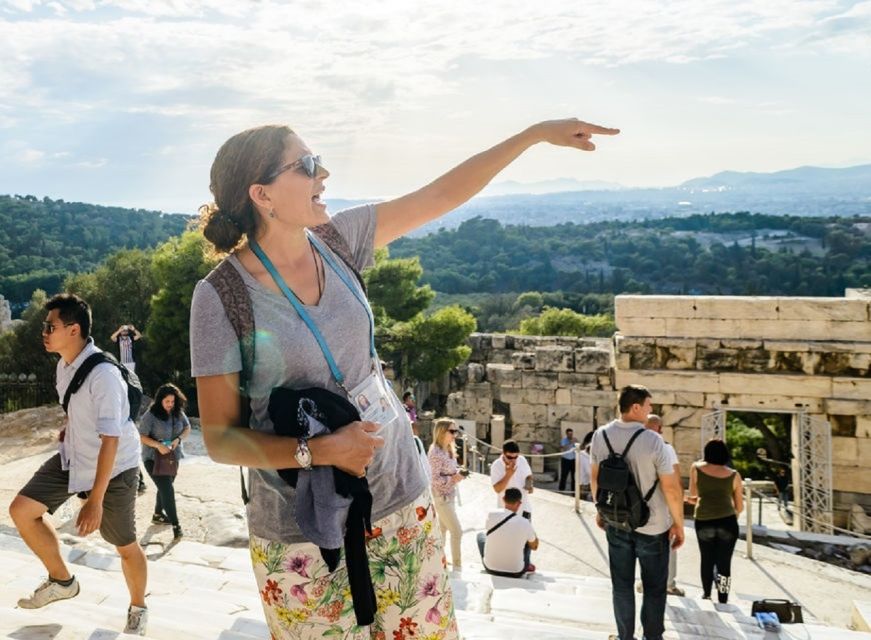
Wear sturdy, comfortable shoes with good grip. The uphill route includes uneven and sometimes slippery surfaces, and ancient paving is not designed for modern sightseeing comfort.
In hot weather, choose light clothing and bring:
- Sunglasses
- A sun hat
- Sunscreen
- Water for before or after the visit
Food and drinks are not allowed inside the archaeological area, and only water is permitted. Baby strollers are not allowed, nor are luggage and large bags. Pack lightly and leave bulky items at your accommodation if possible.
Bring your passport or ID card. Anyone under 25 must bring a passport or valid identification showing the date of birth, since age-based entry rules may apply.
The physical demands are clear. The tour is not suitable for pregnant women, people with back problems, or wheelchair users. If uneven stone and uphill walking are difficult for you, this is the wrong place to test your limits.
Is $80 a fair price?
At $80 per person, this is not the cheapest way to see the Acropolis. The value depends on what you want from the visit and on which booking option you select.
You are paying for a licensed French-speaking guide, an organized route, and an express security check. For someone who wants the major monuments explained in French within a fixed 1.5-hour visit, that can be worthwhile. The guide also saves you from spending your limited time trying to identify each building on your own.
The price is harder to justify if you mainly want a quick look at the Parthenon and already know the site well. You may prefer a basic entry ticket and your own route, provided you are comfortable researching the monuments in advance.
Check the admission wording carefully. The experience details list an Acropolis ticket among the inclusions, but the booking notes also say the entrance fee must be pre-purchased online unless you choose the option with tickets. The final price and inclusions shown for your selected option should decide the value calculation.
Free cancellation up to 24 hours before the start and reserve-now, pay-later booking add useful flexibility. They do not change the tour itself, but they are helpful when Athens plans are still moving around.
Who should book this Acropolis tour?
I would choose this tour if you want:
- A French-language visit led by a licensed guide
- A clear route through the main Acropolis monuments
- Historical explanations rather than a simple entry ticket
- A late-afternoon or evening setting
- Panoramic views and a chance of sunset light
- A short introduction that fits into a busy Athens day
I would look elsewhere if you want a long, unhurried archaeological visit, private guiding, or full freedom to set your own pace. The 1.5-hour duration keeps the tour manageable, but it also limits time for lingering.
Families with very young children should note that strollers are not allowed. Anyone with mobility concerns should also take the uphill, slippery surfaces seriously.
Should you book it?
Book this experience if French is the language in which you most enjoy learning, and if you want the Acropolis to make sense rather than simply appear as a famous ruin. The route covers the essential monuments, the guides are praised for clear explanations and lively anecdotes, and the late-day timing can bring more comfortable conditions and beautiful light.
Before paying, confirm whether your selected price includes the entrance ticket. Then arrive ready for a real uphill walk, carry only what you need, and wear shoes made for stone.
For a first Acropolis visit in French, this is a strong, focused choice. Its limits are the fixed pace, short duration, and physical demands. If those suit you, the combination of ancient theaters, sacred buildings, the Parthenon, and Athens spread below makes the $80 cost easier to defend.
FAQ
How long does the Acropolis walking tour last?
The tour lasts 1.5 hours.
What language is the tour conducted in?
The live tour guide speaks French.
Is the Acropolis entrance ticket included?
The inclusions list names an Acropolis entry ticket, but the booking information also says the entrance fee must be pre-purchased online unless you choose the option with entrance tickets. Check the exact option before booking.
Where is the meeting point?
You check in at the Athens Walks Tour Company office at Porinou 5, 11742, near the Acropolis.
What should I bring?
Bring your passport or ID card, comfortable shoes, sunglasses, a sun hat, and sunscreen. Anyone under 25 should bring identification showing their birthdate.
Can I bring food, a stroller, or a large bag?
No. Baby strollers, food, drinks, luggage, and large bags are not allowed in the archaeological area. Only water is allowed.
Recently reviewed around Athens
- Small-Group Women History in Ancient Greece Walking Tour★ 5.0 · 38 reviews
- Ceramic and Pottery Creative Workshop with Two Local Artists★ 4.0 · 57 reviews
- Athens: Wine Workshop Create your Own Wine under the Acropolis★ 5.0 · 77 reviews
- Athens: Greek Wines Tasting with Sommelier and Acropolis Views★ 5.0 · 88 reviews
- Wine Trails Private Tour/ Nemea visit 3 wineries from Athens or Nafplion (10 h)★ 5.0 · 44 reviews
- Hydra Private Day Trip by Ferry from Athens with Transfers★ 4.0 · 30 reviews
- Small-Group Wine Tour in Athens with Tasting★ 5.0 · 33 reviews
- Private Athens Transfer Airport/Port -Greek Tours-Hourly service★ 5.0 · 88 reviews
Acropolis & Acropolis Museum Tours, compared.
Acropolis & up to 5 Archaeological Sites Combo Pass
Read our review →
Acropolis, Parthenon & Acropolis Museum Guided Tour
Read our review →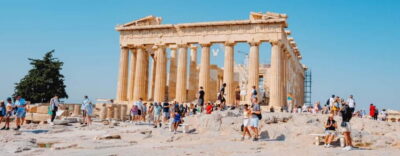
Acropolis, Parthenon & Acropolis Museum Guided Tour
Read our review →


Acropolis monuments & Parthenon Walking Tour with Optional Acropolis Museum
Read our review →Browse the lists this tour appears in