
Reviewed · MUSEUMS
Lychnostatis Open Air Museum: Entry Ticket with Add-Ons
Lychnostatis is more than a collection of old objects behind glass. You walk through a recreated Cretan village, step inside a traditional house, inspect a working-style distillery, and see the tools that shaped daily life about 200 years ago. It gives you a clear picture of how people worked, cooked, worshiped, and used the land.
I especially like the hands-on village layout and the chance to finish with a traditional Cretan drink or sweet at the café. The $10 entry price is also fair for a full day of browsing. The main caution is that some printed information may be worn or damp, so the optional film or Greek guided tour could matter if you want firm historical context.
In This Review
- Key points to know
- A Cretan village built for walking
- Inside the traditional house
- The olive press, threshing floor, and working village
- The tsikoudia distillery and a taste of Crete
- Workshops that explain old skills
- Gardens, herbs, minerals, and the Cretan environment
- Chapel, folk art, and temporary exhibitions
- Library, café, and souvenir shop
- Choosing between the ticket, film, and private tour
- Is $10 good value for a full day?
- Who will enjoy Lychnostatis most?
- Should you book Lychnostatis Open Air Museum?
- FAQ
- Where is Lychnostatis Open Air Museum located?
- How much does admission cost?
- How long is the ticket valid?
- What does the entry ticket include?
- Can I add an audiovisual film?
- Is a private tour available?
- What language is the live tour guide?
- Is the museum wheelchair accessible?
- Can I cancel for a full refund?
Key points to know
- Traditional Cretan life in one walk: See homes, a chapel, an olive press, a threshing floor, workshops, and gardens.
- The raki distillery adds local flavor: Learn about tsikoudia, the strong grape spirit closely tied to Cretan hospitality.
- It is more than an ethnology museum: Collections also cover nature, plants, minerals, stone, fruit, herbs, and the island environment.
- Choose how much explanation you want: The basic ticket allows free exploration, while add-ons include an audiovisual film or private Greek-language tour.
- Plan time for the café and library: Traditional drinks, sweets, Cretan books, and periodicals round out the visit.
- A practical note on printed material: Some leaflets may be worn from humidity and heavy handling, so bring patience with the self-guided displays.
A Cretan village built for walking
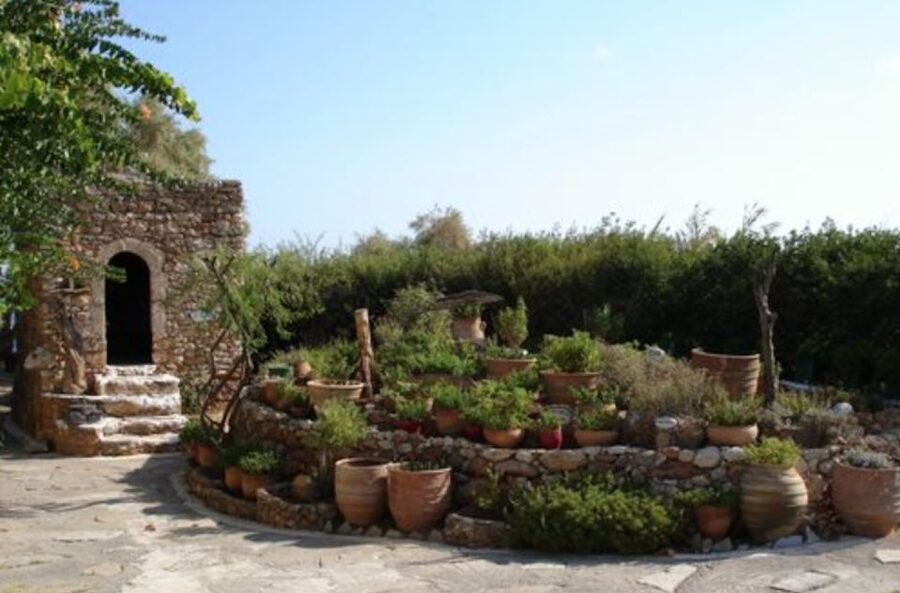
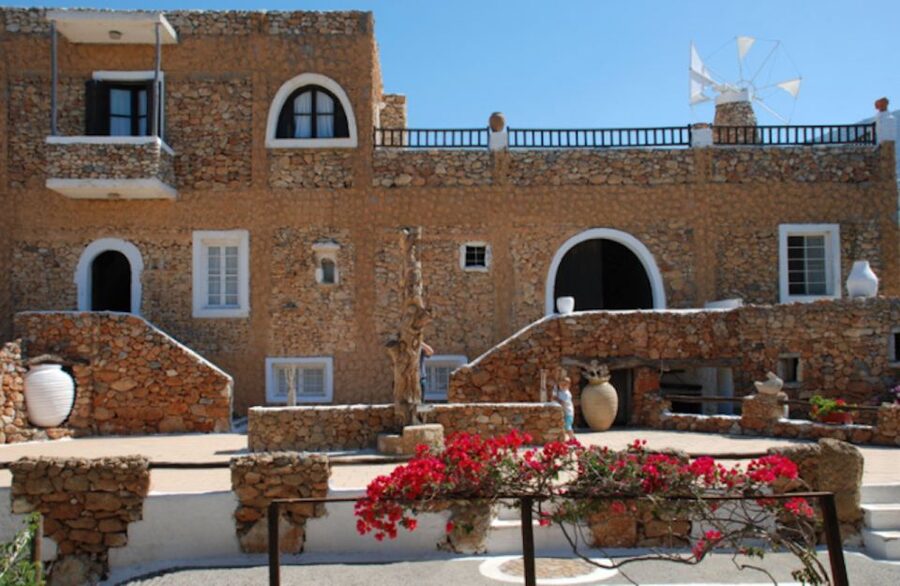
Lychnostatis Open Air Museum is designed to feel like a small Cretan settlement rather than a conventional indoor museum. The setting lets you move from building to building and connect objects with the work they once supported.
That matters because a wooden tool means little on its own. Place it beside a threshing floor, a storage area, or a workshop, and you begin to understand its purpose. The museum’s strength is this sense of connection.
You can explore at your own pace with the entry ticket. A visit is valid for one day, so you do not need to rush from one room to the next. If you prefer more structure, select the audiovisual film or private guided tour when booking.
The live tour guide option is in Greek. That is important to note before you pay extra for a guided visit. If you understand Greek, the tour may add useful details and help tie the separate buildings together. If not, the basic admission and visual displays may be the better value.
More Museum Tours in Crete
- Crete: Knossos Palace and Museum E-Tickets with Audio Guides
★ 4.0 · 828 reviews - Heraklion Archaeological Museum Ticket & Audio Guide
★ 4.3 · 396 reviews - Minoans World 3D Museum & 9D Cinema
★ 4.5 · 315 reviews
Inside the traditional house
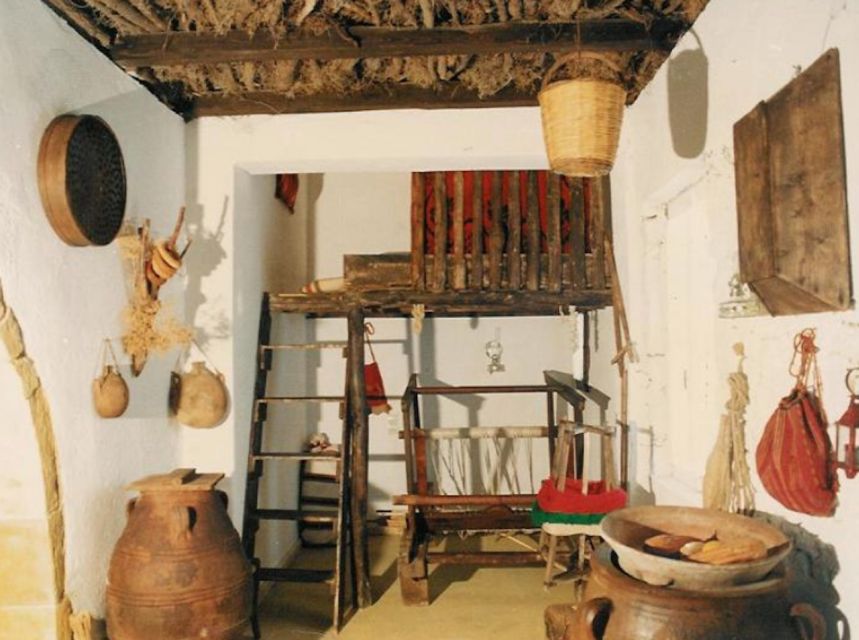
The traditional dwelling is one of the most useful stops for understanding Cretan life in practical terms. You are not simply looking at furniture as decoration. The house shows how domestic space, storage, work, and family life were arranged.
The museum presents Cretan life from roughly two centuries ago, while also connecting it to older customs. You can look at everyday tools and household features and consider how much work was needed for tasks that now take minutes.
This section should appeal to anyone who likes social history rather than only grand monuments. There are no kings or famous battles needed to make the visit worthwhile. A home, a workbench, and a cooking or storage tool can tell you plenty about ordinary life.
Allow time to look closely. The open-air format can tempt you to stroll past each building quickly, but the house is one of the places where slowing down pays off.
The olive press, threshing floor, and working village
Several parts of Lychnostatis explain how food and materials moved from the land into the home. The olive oil press shows one of Crete’s most important traditional activities. The threshing floor points to the labor involved in processing grain.
These stops work best when you think about the full chain of work. Growing crops was only the start. People still had to harvest, separate, press, store, and prepare what they produced. The museum gives you physical spaces where those stages make sense.
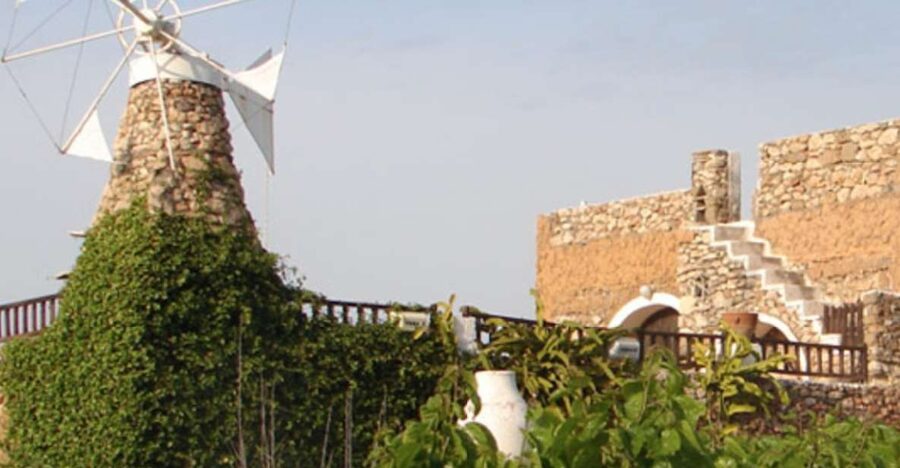
You will also see windmills and other everyday tools. Together, they show how local communities used wind, animals, plants, wood, and stone before modern machinery changed the pace of life.
I like this part of the museum because it keeps Cretan culture grounded. You are not just learning a list of customs. You are seeing the equipment that made those customs possible.
The tsikoudia distillery and a taste of Crete
The tsikoudia, or raki, distillery is one of the museum’s most memorable features. Raki is a traditional Cretan grape spirit, and its presence here connects agriculture, food production, and social custom.
The display helps you understand that a drink can carry more meaning than its ingredients. It is linked to harvests, family gatherings, and the habit of offering something to a visitor. At the museum café, you can order a typical beverage or sweet after your walk.
Food and drink are not included in the ticket, so plan to pay separately if you want this final taste of Crete. Still, the café stop is a sensible addition. After walking through the grounds, a local drink or sweet gives the visit a pleasant ending rather than leaving you with only photographs.
If you do not drink alcohol, ask about the typical beverage options before ordering. The available information specifically mentions traditional drinks and sweets, but it does not list the full café menu.
More Crete museums and collections:
- Crete: Knossos Palace and Museum E-Tickets with Audio Guides
★ 4.0 · 126 reviews - Knossos Palace, Museum & Rethymno city Private Tour from Chania
★ 5.0 · 69 reviews - Heraklion Highlights: Knossos, Museum & Historic City Drive
★ 5.0 · 64 reviews - Knossos Palace, Museum & Heraklion City Tour From Chania
★ 4.2 · 61 reviews
Workshops that explain old skills
Lychnostatis includes a long list of craft and work areas. You can see a ceramic shop, weaving and plant-dying workshop, bees and wax workshop, shoe-making workshop, and carpentry area.
These displays help explain the practical skills once needed within a village. Clothing, shoes, containers, furniture, candles, and other household items did not arrive from a store. They were made, repaired, or adapted by local people.
The weaving and plant-dying workshop is especially useful for linking natural materials with daily life. The bees and wax section shows another small but important source of household products. The shoemaking and carpentry areas remind you that repair was part of normal life, not a special project.
Do not expect each workshop to operate as a hands-on class. The information provided describes them as museum areas, not guaranteed demonstrations. Think of them as settings for understanding traditional work.
Gardens, herbs, minerals, and the Cretan environment
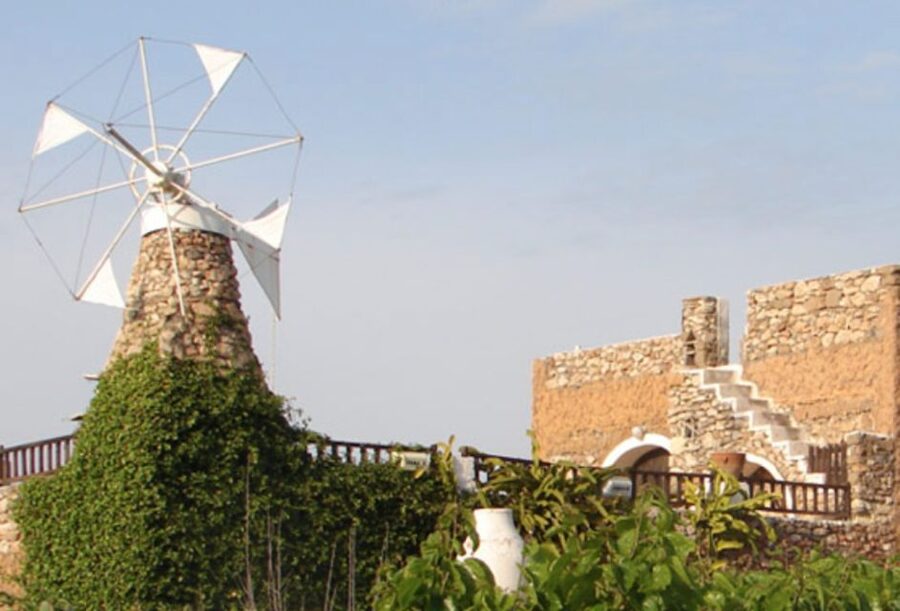
The museum also moves beyond buildings and tools. Its collections cover Cretan nature and the local environment, with a herbarium, herb garden, Cretan fruit garden, and mineral and stone exhibition.
This is a good counterpoint to the village houses. Cretan culture developed from the island’s plants, soil, rocks, crops, and climate. A garden can explain local cooking and household remedies, while minerals and stone point to the materials used in buildings and tools.
The fruit and herb areas should be rewarding if you want to connect the museum to present-day Cretan food. The displays may also help families keep younger visitors interested, since plants and outdoor exhibits break up the indoor-looking sections.
The open-air layout means conditions can affect your visit. Much of the appeal comes from walking between exhibits, so allow time rather than trying to race through in a short window.
Chapel, folk art, and temporary exhibitions
The chapel adds a religious element to the museum’s picture of village life. It helps show how work, home, belief, and community were connected.
You can also visit the Cretan folk artists’ gallery. This section shifts attention from household survival to artistic expression and personal skill. It gives you a chance to see how local makers interpreted their surroundings and traditions.
A temporary exhibitions hall adds variety, although the subject and contents can change. If you have already visited other Cretan museums focused on folk culture, this area may offer something new on a return visit.
The museum also has an auditorium with 100 seats and an open-air theater with 250 seats for films, seminars, cultural events, and artistic events. These facilities suggest that Lychnostatis is not only a static collection. However, the ticket details do not promise a live performance or scheduled event on your visit, so treat those venues as additional facilities rather than guaranteed stops on the day.
Library, café, and souvenir shop
The library is stocked with Cretan books and periodicals. It is a worthwhile pause if you want to move from objects and buildings to written sources about the island.
You may not be able to read every title, especially since the live guide language is Greek. Still, the library adds depth and shows that the museum’s purpose is broader than displaying old tools. It aims to support awareness of Cretan folk culture and ethnology.
The café is where you can try a traditional drink or sweet. The souvenir shop provides a final browse before leaving. Neither is included in the $10 entry price, but both can add to the visit if you want a small taste or keepsake.
One useful practical point concerns the printed information. Some leaflets may be worn and damp, which can make self-guided reading less comfortable. If you rely heavily on written explanations, the audiovisual film may be worth the add-on.
Choosing between the ticket, film, and private tour
The standard ticket gives you entry and free time to explore. That is enough if you enjoy looking carefully, reading what is available, and setting your own pace.
The audiovisual film is a sensible middle option. It can provide context without tying you to a private guide. The details supplied do not state its running time or language, so check those points before selecting it.
The private guided group tour suits you if you want a clear route and spoken explanation. The listed live guide language is Greek, and no guide names are provided. Do not assume the tour will be available in English, French, German, or another language without confirming first.
I would choose the basic ticket for a relaxed cultural stop and the guided option for anyone who wants the museum interpreted as one connected story. The add-on is most useful when the price difference is small and you understand the language.
Is $10 good value for a full day?
At $10 per person, admission is modest for the amount of ground and subject matter covered. You get access to traditional houses, work areas, gardens, collections, the chapel, library, café area, and outdoor cultural spaces.
That does not mean every part will hold your attention equally. The museum is strongest for people who enjoy folk culture, old crafts, rural life, and the link between Cretan nature and daily work. If you only want famous archaeological sites, this may feel less urgent.
The full-day validity improves the value. You can take your time, stop for a drink or sweet, and return to sections you passed too quickly. Transportation is not included, so you must reach the museum by car or taxi. Add the cost of that ride when working out your total.
The ticket also includes skip-the-ticket-line access, which can save a little time at arrival. It does not include food, drinks, transportation, or optional extras.
Who will enjoy Lychnostatis most?
I would recommend this museum to you if you want to understand how Cretans lived, worked, and used local resources. It is a good fit for visitors who prefer a calm cultural stop to a fast list of major sights.
Families may like the open-air format, gardens, animals or plants if present in the displays, workshops, and range of buildings. I cannot promise specific child-focused activities, but the variety gives younger visitors more to look at than a single gallery of small objects.
It also suits anyone interested in traditional food and drink. The raki distillery, olive press, herb garden, fruit garden, and café connect the museum to things you can still encounter in Crete today.
You may want to skip it if your time is extremely short, you dislike outdoor walking, or you need detailed information in a language other than Greek and cannot confirm the available film or tour language.
Should you book Lychnostatis Open Air Museum?
Book it if you want a clear, physical picture of everyday Cretan culture rather than another formal archaeological collection. The traditional house, olive press, distillery, workshops, gardens, and café give the visit a useful rhythm, and $10 is a reasonable price for a full day.
Choose the basic ticket if you are happy to explore independently. Add the film or private Greek-language tour if you want more guidance, but confirm language details first. Bring time, curiosity, and realistic expectations about worn printed leaflets. For a grounded look at Cretan customs and craft, this is a worthwhile stop.
FAQ
Where is Lychnostatis Open Air Museum located?
The museum is in Crete, Greece. You can reach it by car or taxi, and transportation is not included in the admission.
How much does admission cost?
The listed price is $10 per person for entry. Food, drinks, transportation, and optional add-ons are not included.
How long is the ticket valid?
The ticket is valid for one day. You can use your free time to explore the museum at your own pace.
What does the entry ticket include?
Entry includes access to the museum and free time to explore its buildings, collections, gardens, workshops, and other public areas.
Can I add an audiovisual film?
Yes. An audiovisual film is available when you select that option during booking.
Is a private tour available?
Yes. You can select a private guided group tour as an add-on.
What language is the live tour guide?
The listed live tour guide language is Greek. The available information does not confirm other live tour languages.
Is the museum wheelchair accessible?
Yes. The activity is listed as wheelchair accessible.
Can I cancel for a full refund?
Yes. You can cancel up to 24 hours in advance for a full refund. You can also reserve now and pay later to keep your plans flexible.
Recently reviewed around Crete
- Troy Dinner-Show★ 5.0 · 103 reviews
- Heraklion : Spinalonga, Agios Nikolaos , Elounda Boat Tour & BBQ★ 3.5 · 32 reviews
- Quad Safari Off-Road Evening Tour★ 5.0 · 69 reviews
- Knossos & Lasithi Plateau: Zeus Cave,Villages, Olive Oil Tour★ 5.0 · 328 reviews
- Knossos & lasithi plateau villages,Zeus’s cave,&olive oil Mill★ 5.0 · 90 reviews
- Sailing trip to the Top Coasts of Crete, Daily/Multi-day★ 5.0 · 221 reviews
- Cretan Wines & Olive oil tour – The treasures of Crete★ 5.0 · 147 reviews
- PRIVATE-Knossos Palace-Zeus Cave-Olive Oil Tasting-Old Villages★ 5.0 · 81 reviews
Museums, compared.

Acropolis, Parthenon & Acropolis Museum Guided Tour
Read our review →
Mythology of Delphi, Museum and Arachova Guided Tour
Read our review →Acropolis, Parthenon & Acropolis Museum Guided Tour
Read our review →
Acropolis monuments & Parthenon Walking Tour with Optional Acropolis Museum
Read our review →
Athens All Included: Acropolis and Museum Guided Tour with Ticket
Read our review →
Acropolis Museum Ticket with optional Audio Guide
Read our review →
Small-Group Delphi, Museum & Arachova Day Trip
Read our review →
Parthenon & Acropolis Museum with Audio or Live Tour Option
Read our review →Browse the lists this tour appears in