
Reviewed · WORKSHOPS
Marble Carving Workshop: Create Your own Symbol of Strength
The most memorable part of this 135-minute marble workshop is the chance to work with the same basic hand-tool tradition used by ancient Greek sculptors. You do not simply watch a demonstration. You choose a personal symbol, transfer it to marble, and work it into an engraved or relief-style design.
I like the thoughtful opening, which connects marble to Cycladic idols, personal symbols, rocks, crystals, metals, and fossils. I also like the small size, with no more than four people and patient help from Dimitrius, Dimitri, Jimmy, and the workshop team. The main consideration is physical effort: carving is harder than it looks, and you may spend much of the session standing and making dust.
In This Review
- Key points at a glance
- Why this Athens workshop feels different
- Beginning with marble, stone, and personal symbols
- Drawing your design before touching the stone
- Learning the traditional tools
- Carving the symbol of strength
- Signing, coloring, and taking your piece home
- The people and atmosphere at MarbleArt Athens
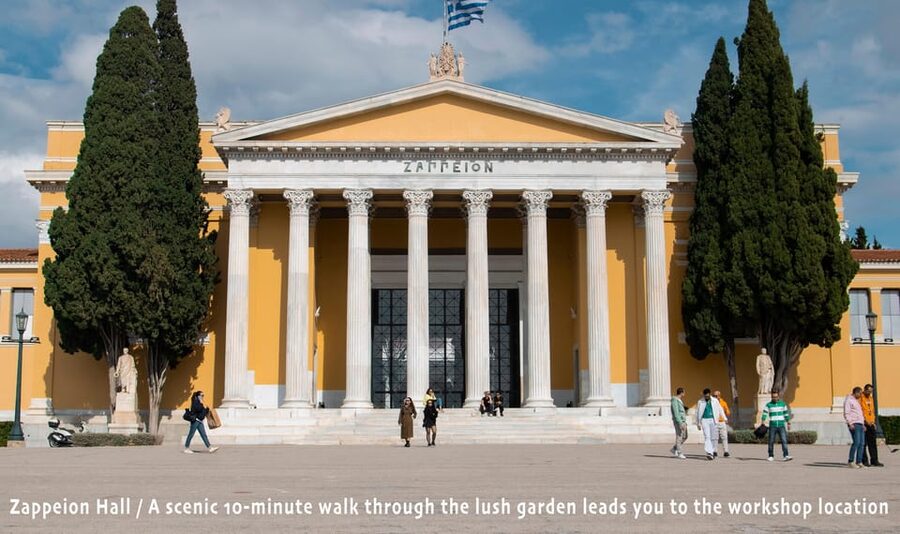
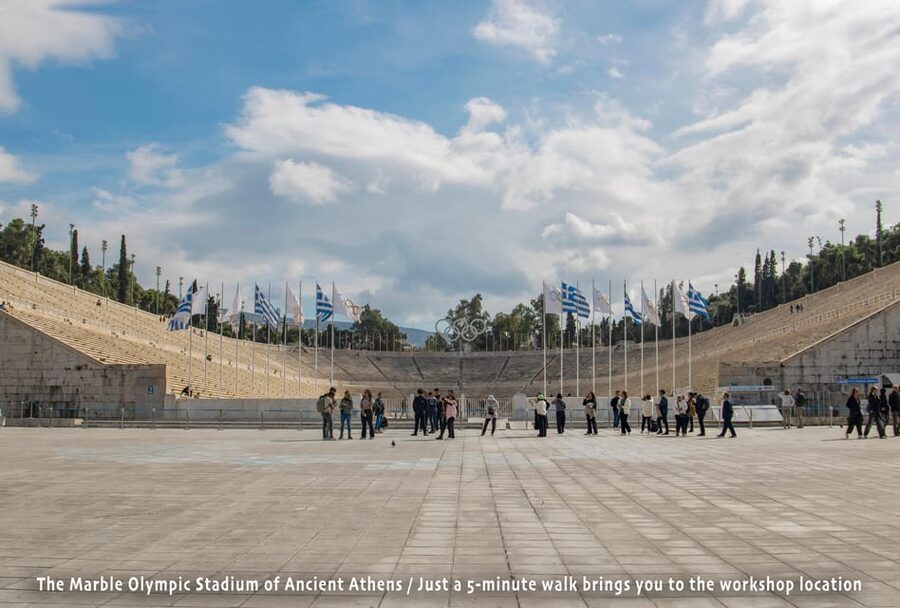
- Adding a short sculpture walk in central Athens
- Who should book this experience?
- Booking value, timing, and flexibility
- Should you book the marble carving workshop?
- FAQ
- Where does the marble carving workshop take place?
- How long does the activity last?
- How much does the workshop cost?
- Is the workshop suitable for beginners?
- How many people can join each session?
- What languages are available?
- What do I create during the workshop?
- Can I take my sculpture home?
- Are materials and tools included?
- Is transportation included?
- Is the activity suitable for wheelchair users?
- Can I cancel the booking?
Key points at a glance
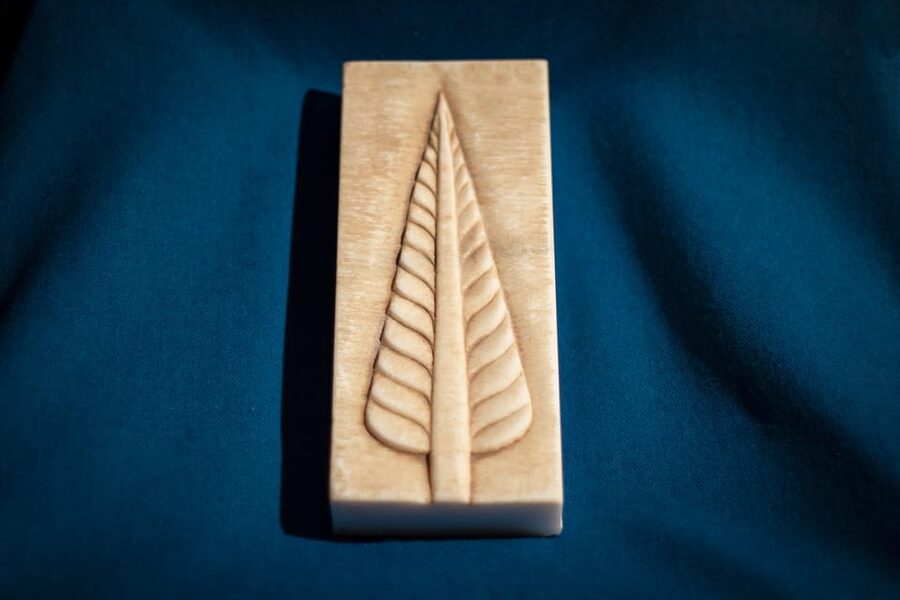
- Ancient-style hand tools: Learn the basic method of engraving and relief carving without modern power equipment.
- A personal marble symbol: Draw an idea, transfer it to stone, carve it, sign it, and take the finished piece home.
- Small groups of up to four: Expect close help rather than a crowded class.
- More than a craft lesson: The session links your design to Cycladic idols and the long Greek relationship with marble.
- Central Athens setting: Afterward, interested participants can walk around the historic center to photograph marble sculptures.
- Allow for real effort: Keep your design simple, wear comfortable clothes, and consider bringing a mask for dust.
Why this Athens workshop feels different
Athens gives you plenty of chances to look at marble. The Acropolis, museums, old churches, columns, and public sculptures are full of it. This workshop gives you a chance to understand the material through your hands.
That change matters. After even a short session with a chisel and a small piece of marble, you begin to look at ancient sculpture differently. A statue is no longer just a smooth white figure. You start thinking about the force, patience, planning, and repeated strikes needed to create each line.
MarbleArt Athens is described as a boutique museum devoted to marble sculpture and traditional stone carving. Its collection includes authentic works by local artists made with traditional Greek hand tools. The workshop takes place among these works, so the setting provides context without needing a separate museum visit.
This is presented as an artistic and cultural experience, not a technical training course. That distinction is useful. You are not signing up to become a professional sculptor in two hours. You are being given enough history, guidance, and time to make a small original work that carries your own idea.
More Athens trips worth a second look
- Athens: Classic Cooking Class with Market Visit and Wine
★ 5.0 · 1,101 reviews - Athens: Food Market Visit and Cooking Class with Wine
★ 4.9 · 1,087 reviews - Greek Cooking Class in Athens Including Rooftop Dinner with Acropolis View
★ 5.0 · 826 reviews
Beginning with marble, stone, and personal symbols
The session begins with an introduction to marble and stone carving in ancient Greece. You learn about the material itself, including the structure of rocks, marble, and crystals, along with the way stone can contain or be enriched by metals and fossils.
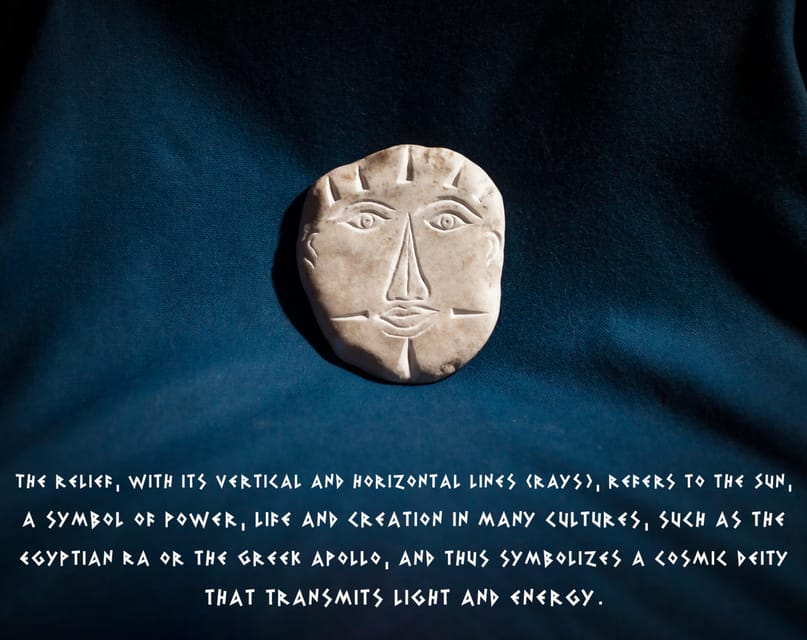
The discussion then turns to personal symbols in stone. Cycladic idols provide an especially fitting reference point. These small, stylized figures show how people have used simple carved forms to express identity, belief, protection, or strength for thousands of years.
That conversation helps you choose a subject with meaning. You might arrive with a clear design, or you might need time to think. The point is not to copy a famous statue. You create an outline that represents something personal, then adapt it to what the marble and your skill allow.
I recommend choosing a simple shape. A heart, sun, wave, animal outline, letter, or geometric emblem is easier to carve than a detailed scene. Fine internal patterns can quickly turn a manageable project into a frustrating one, especially if this is your first time working stone.
The instructor has a PhD in the philosophy and art of ancient Greece, and the teaching team includes a marble sculpture teacher from the University of Fine Arts. That background helps explain why the introduction is not just a list of tool names. The workshop places your small project within a larger story about art, materials, and human expression.
Drawing your design before touching the stone
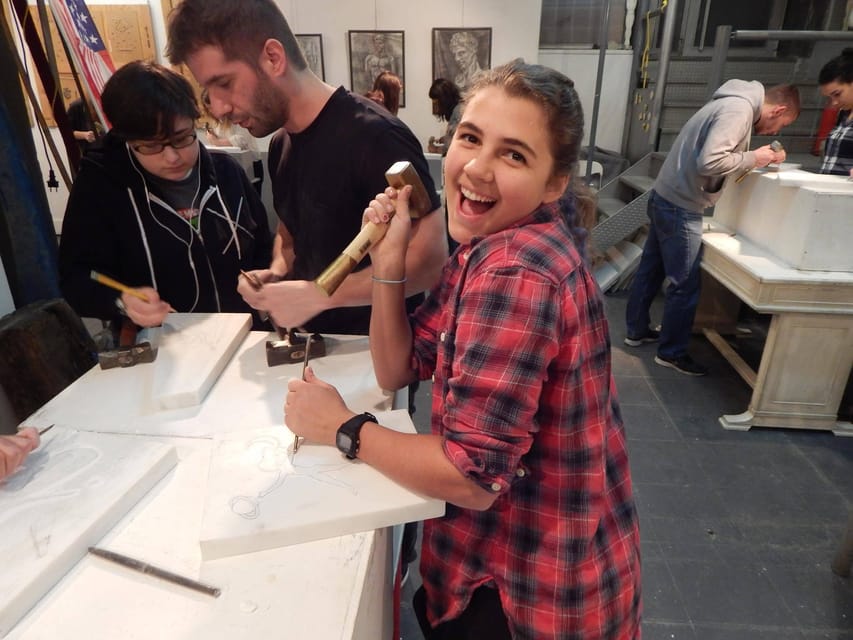
Once you have settled on a symbol, you sketch it on paper. This is an important stage, even if it feels less exciting than picking up a tool.
The drawing forces you to consider scale, depth, and the shape of the marble surface. A design that looks fine on paper may need simplifying before it can become a relief. The team helps you develop the idea and transfer its outline to the marble.
This is also where the small group makes a real difference. With up to four participants, the instructor can look at each design rather than giving one general explanation and moving on. You receive help before an awkward drawing becomes a difficult carving problem.
The workshop is aimed at beginners, so you do not need previous sculpture experience. Still, beginner-friendly does not mean effortless. Marble is solid, and your hands need to learn how much pressure to use. Expect to make progress in stages instead of producing a perfect piece right away.
Learning the traditional tools
The next step is getting familiar with the hand tools used for engraving. The process follows the traditional approach associated with ancient Greek carving, using direct physical work rather than a powered machine.
You learn how to hold the tools and use them to deepen the surface. The basic goal is not to remove huge amounts of stone. It is to create controlled lines and levels that catch light and shadow.
This is the heart of the workshop. An engraved design sits into the marble, while a relief-like design uses different depths to give the image more presence. Even a small amount of variation can make a symbol appear clearer once the surface is finished.
Pay attention to the instructor’s demonstration before you begin. The first strikes can feel tentative, but rushing makes it harder to control the line. Ask for help early. The teaching style is patient and supportive, and the instructors are willing to guide you through the technique instead of leaving you to guess.
You may be surprised by the physical side. One participant described the carving as harder than it appears, which is fair warning. You will be applying force repeatedly, and the work can be dusty. Goggles are provided, but I would bring a mask if you are sensitive to airborne dust.
A different kind of day out, same corner of Greece:
- Athens: Acropolis & up to 5 Archaeological Sites Combo Pass
★ 4.4 · 12,619 reviews - Athens: Acropolis Ticket with Optional Audio or Live Guide
★ 4.2 · 11,055 reviews - Athens: Acropolis, Parthenon & Acropolis Museum Guided Tour
★ 4.8 · 9,316 reviews - Athens: Cape Sounion & Poseidon Temple Sunset Half-Day Trip
★ 4.8 · 8,241 reviews
Carving the symbol of strength
With the outline transferred, you begin cutting into the marble. The instructor helps you decide where to create deeper lines and where to leave higher areas. The aim is to build a symbol with visual weight, not simply scratch a picture onto a flat tile.
The relief method gives the piece more character. Deepening selected parts of the surface creates shadows, while the untouched sections act as highlights. This multi-level effect is simple in principle but takes care and patience.
Your finished work will depend partly on the design you choose. Keep the subject bold and readable. A complicated symbol may sound ambitious, but small details are difficult to control with traditional hand tools. A clean, simple outline often makes a stronger finished souvenir.
The workshop team gives personal assistance while still allowing you to make decisions. That balance is one of the best parts of the experience. You are not handed a predesigned shape to reproduce, but you are also not expected to figure out marble carving alone.
Some sessions may run longer if participants need extra time. One participant noted that the instructor was happy to let the group continue until the carvings were finished. Do not treat the advertised 135 minutes as a race, but also do not assume unlimited time. Arrive ready to focus and keep your design practical.
Signing, coloring, and taking your piece home
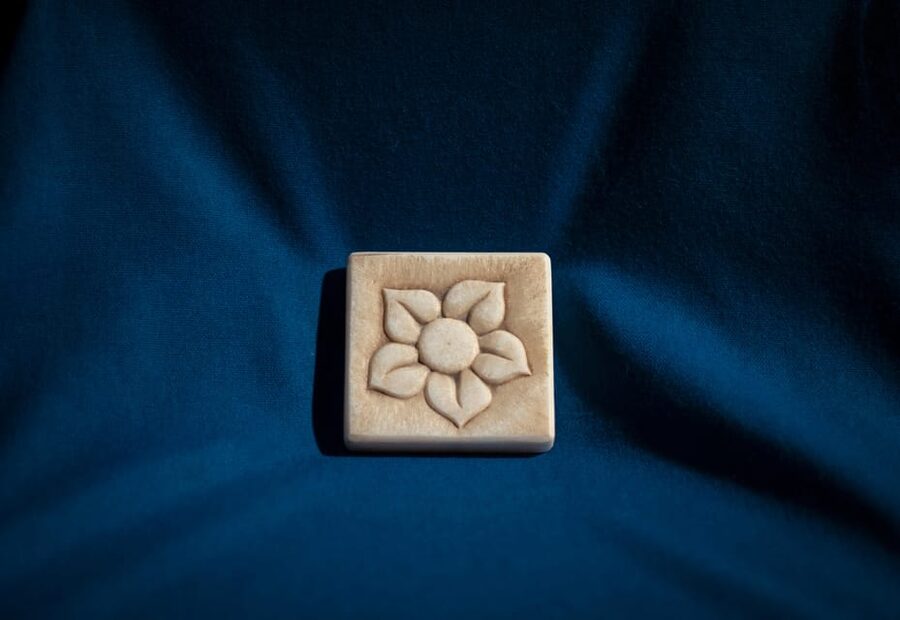
Near the end, you engrave letters for your signature. This small step gives the object a clear sense of authorship. You did not buy a generic marble souvenir in a shop. You made the design and put your name on it.
The marble can then receive color to create a patina-like effect. This changes the look of the carved lines and helps the relief read more clearly. The result is not meant to look like a polished museum masterpiece. Its value comes from the direct connection between your idea, your hands, and the ancient method.
Materials for the sculpture are included, and you take your personal project home. That makes the $88 price easier to assess. You are paying for a small-group class, an art and history lesson, materials, use of the workshop, and a handmade object that you designed yourself.
It is not the cheapest activity you can add to an Athens itinerary. If you want a quick souvenir, a market stall will cost less and take less time. But if you want an experience that changes how you see the marble monuments around the city, the price is reasonable.
The finished piece should also travel fairly well compared with a large sculpture, though the provided information does not specify its exact size or packing method. Ask the workshop team about carrying and protecting it before you leave, especially if you have a long journey ahead.
The people and atmosphere at MarbleArt Athens
The instructors are a major part of the experience. Dimitrius leads the artistic and historical side, while Dimitri and Jimmy are also associated with the teaching team. The instruction is available in English and Greek.
The teaching style is warm, direct, and patient. You can ask questions about the marble, the tools, the design, or the ancient examples around you. The atmosphere is designed to feel calm and personal, which suits an activity requiring concentration.
The small group limit is especially useful for couples, families, or friends who want to work side by side. A family group can make different designs while receiving individual help. Teenagers may also appreciate that this is a hands-on activity rather than another hour of looking at objects behind glass.
The workshop has also included welcoming touches such as water, tea, honey donuts, wine, and food for some groups. These extras are not listed as guaranteed inclusions, so do not book expecting a meal. The reliable offering is the marble lesson, materials, guidance, and your finished project.
Smoking is not allowed. The activity is not suitable for wheelchair users, and transportation to the workshop is not included. Since the location is in central Athens, plan your own way there and allow time to find the entrance. Clear signage may be limited, particularly if you do not read Greek.
Adding a short sculpture walk in central Athens
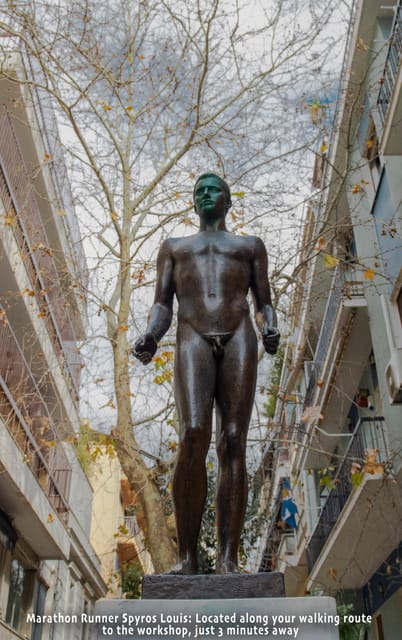
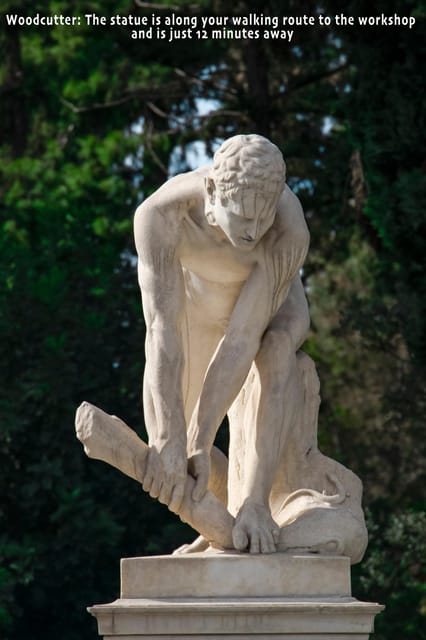
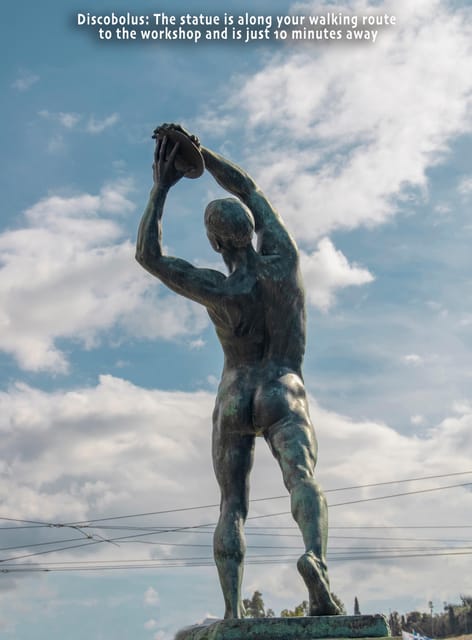
After the workshop, people who are interested can walk through the historic center to explore and photograph existing sculptures. This is not described as a separate guided tour, so treat it as an optional follow-up rather than a second formal activity.
It is a smart way to extend the lesson. You have just practiced making lines, levels, and shadows in marble. Looking at public sculpture afterward gives you a chance to notice those same choices on a much larger scale.
Bring a camera. You can photograph the works around the historic center and record your own piece as well. The workshop specifically encourages bringing a camera, and this is one activity where taking pictures feels useful rather than distracting.
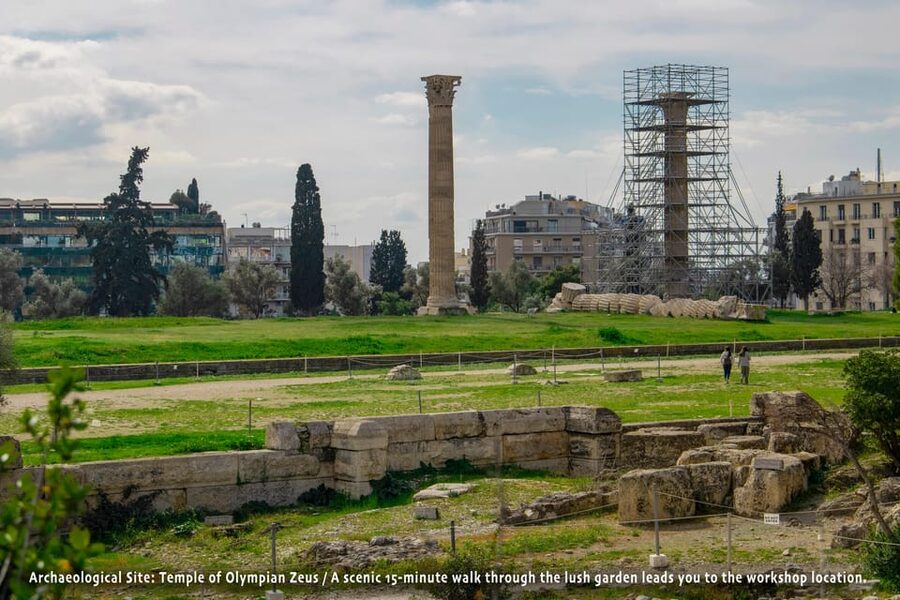
You might also want to visit ancient Greek sculpture in Athens during your trip. The workshop does not replace a museum or archaeological site, but it gives you a practical frame for seeing them. After handling the tools yourself, you can better appreciate the labor behind a column, figure, or relief.
Who should book this experience?
I would choose this for anyone who wants an Athens activity beyond the usual sightseeing route. It suits couples, families, creative people, and museum lovers who want to make something rather than only observe.
It is also a good fit if you are unsure about art classes. The program is designed for beginners, and the instructors help with the drawing, transfer, carving, signing, and color. You do not need to arrive with a polished artistic plan.
You should think twice if you dislike dust, repetitive hand work, or standing for much of an activity. A very detailed design may also test your patience. Keep the concept simple, wear comfortable clothing, and bring a mask if needed.
The workshop may be especially appealing after visiting major archaeological sites. You will recognize the cultural setting, but the experience asks you to slow down and work with one small piece of material. That contrast gives the day a welcome change of pace.
Booking value, timing, and flexibility
The price is $88 per person, and the session lasts 135 minutes. For a regular craft class, that may feel high. For a small-group cultural activity in central Athens with expert instruction, included materials, and a take-home artwork, the value is stronger.
The group size is the key. A class capped at four allows the instructor to spend time with your design and technique. In a larger workshop, you might receive a quick demonstration and little personal help. Here, the extra attention supports beginners and makes the final piece more personal.
You can cancel up to 24 hours before the activity for a full refund. The reserve now and pay later option also helps if your Athens schedule is still changing. Check available starting times when booking, since the exact session time is not fixed in the information provided.
Transportation is not included, so you need to reach the central Athens workshop on your own. Accessibility is limited because the activity is not suitable for wheelchair users. These are small details, but they matter when you are fitting a hands-on class into a busy sightseeing day.
Should you book the marble carving workshop?
Book it if you want a personal souvenir, a small-group lesson, and a better feel for the work behind Greek marble art. The strongest reasons are the traditional tools, the thoughtful link to Cycladic symbols, and the patient guidance through a design that means something to you.
Skip it if you want a passive activity, have limited time for hands-on work, or cannot comfortably stand and handle tools. You should also avoid overly complex designs. A simple symbol gives you the best chance of finishing a piece you will be proud to carry home.
At $88, this is not a bargain-bin Athens activity. It is a focused cultural experience with a real object at the end. For many visitors, that combination makes it a worthwhile break from temples and museums, and one of the more personal ways to take a piece of Greek artistic tradition home.
FAQ
Where does the marble carving workshop take place?
The workshop takes place at MarbleArt Athens, a boutique museum and carving space in the historic center of Athens, Greece.
How long does the activity last?
The workshop lasts 135 minutes, or two hours and 15 minutes.
How much does the workshop cost?
The price is $88 per person.
Is the workshop suitable for beginners?
Yes. The program is designed to include beginners, and the instructors provide help with the design, transfer, tool use, carving, signature, and color.
How many people can join each session?
The workshop is offered to small groups of up to four people.
What languages are available?
Instruction is available in English and Greek.
What do I create during the workshop?
You create a personal symbol of strength in engraved or relief-like marble form. You sign the piece and apply color for a patina-like effect.
Can I take my sculpture home?
Yes. Your personal marble project is included, and you take it home after the workshop.
Are materials and tools included?
Materials for the sculpture and traditional hand tools for the workshop are included.
Is transportation included?
No. You are responsible for getting to the workshop location in central Athens.
Is the activity suitable for wheelchair users?
No. The workshop is listed as unsuitable for wheelchair users.
Can I cancel the booking?
You can cancel up to 24 hours in advance for a full refund. The reserve now and pay later option lets you hold a place without paying immediately.
Recently reviewed around Athens
- Small-Group Women History in Ancient Greece Walking Tour★ 5.0 · 38 reviews
- Ceramic and Pottery Creative Workshop with Two Local Artists★ 4.0 · 57 reviews
- Athens: Wine Workshop Create your Own Wine under the Acropolis★ 5.0 · 77 reviews
- Athens: Greek Wines Tasting with Sommelier and Acropolis Views★ 5.0 · 88 reviews
- Hydra Private Day Trip by Ferry from Athens with Transfers★ 4.0 · 30 reviews
- Small-Group Wine Tour in Athens with Tasting★ 5.0 · 33 reviews
- Wine Trails Private Tour/ Nemea visit 3 wineries from Athens or Nafplion (10 h)★ 5.0 · 44 reviews
- Acropolis of Athens, Parthenon and Acropolis Museum private tour with dinner★ 5.0 · 77 reviews
Workshops, compared.

Classic Cooking Class with Market Visit and Wine
Read our review →
Food Market Visit and Cooking Class with Wine
Read our review →
Greek Cuisine Cooking Class in Santorini with Recipes and Wine
Read our review →
Half-Day Cooking Class at Basiliko Family Tavern
Read our review →
Greek Cooking Class in Athens Including Rooftop Dinner with Acropolis View
Read our review →
Greek Small-Group Athens Cooking Class & Dinner
Read our review →
Authentic Cooking Class in the White Mountains
Read our review →
Browse the lists this tour appears in