
Reviewed · ACROPOLIS & ACROPOLIS MUSEUM TOURS
Athens: The Acropolis and Acropolis Museum Tour in German
The best part of this Athens tour is the way it connects the Acropolis monuments with the original works now kept below in the Acropolis Museum. You see the Parthenon, Erechtheion, Propylaea, and Temple of Athena Nike in their ancient setting, then examine the sculptures that make those buildings easier to understand.
I like the German-language storytelling, especially when mythology and historical tales replace a dry list of dates. I also like the route from the Theatre of Dionysus up the south slope, with time for pictures at the top and a museum visit that completes the story. The main drawback is the uphill walk over uneven ground, often in strong sun, so this is not a good fit for anyone with limited mobility.
In This Review
- Key points to know before booking
- Why this Acropolis route works so well
- Starting at the Theatre of Dionysus
- Walking past the Herodion and up the south slope
- Passing through the Propylaea
- The Temple of Athena Nike and the view from above
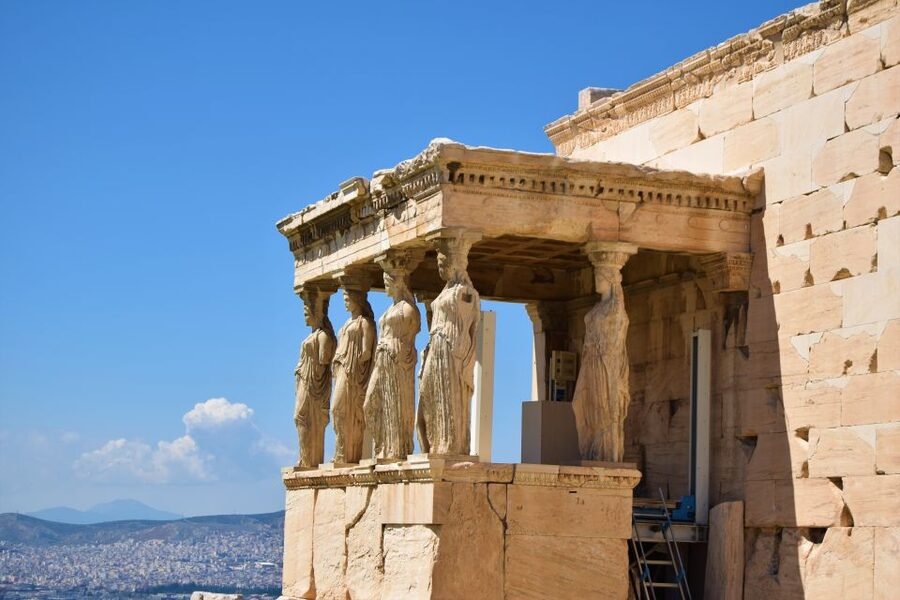
- The Erechtheion and its Caryatids
- The Parthenon, from architecture to myth
- Why the Acropolis Museum completes the visit
- Guide style and the German-language advantage
- Price, group value, and what is included
- Who should book this three-hour tour
- Should you book it?
- FAQ
- Is the tour conducted in German?
- How long does the tour last?
- What monuments are included on the Acropolis visit?
- Are entry tickets included?
- Is the tour suitable for people with limited mobility?
- What should I bring?
Key points to know before booking
- The route begins at the Theatre of Dionysus: You start with the place linked to the first ancient Greek theater before climbing the Acropolis.
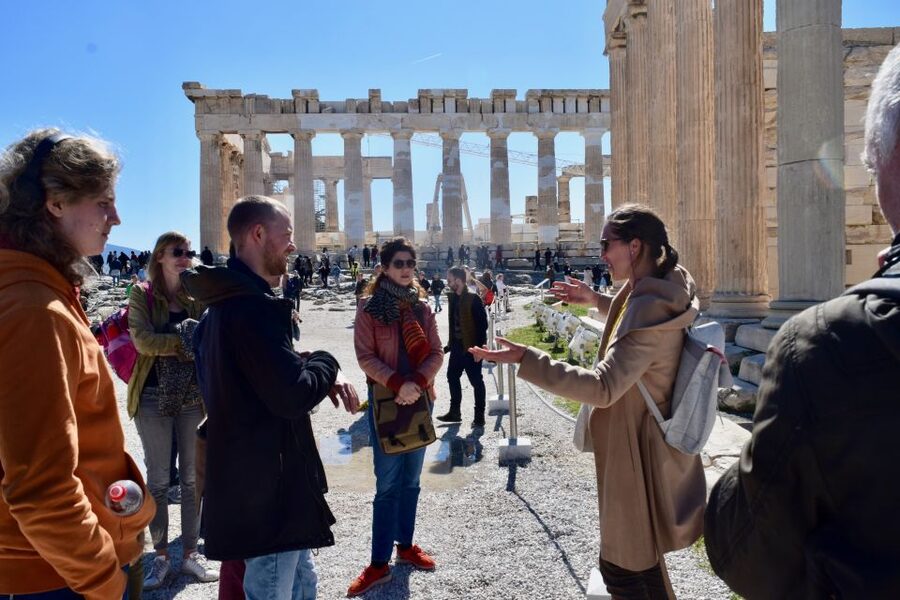
- Jessica has led recent German tours: Her style combines historical explanation, short stories, humor, and useful tips, making the three hours work well for adults and children.
- You see the main Acropolis monuments in one visit: The route includes the Herodion, Propylaea, Temple of Athena Nike, Erechtheion, and Parthenon.
- Original sculptures follow the hilltop visit: The Acropolis Museum displays the authentic Caryatids, Parthenon sculptures, and statues connected with the monuments above.
- The walk can be hot and slippery: Bring water, a sun hat, and sturdy shoes. The Acropolis has no elevator and is not suitable for wheelchair users.
- The $152 price pays for structure and access: Tickets, pre-booking fees, and a licensed German-speaking guide are included, but food, drinks, and transport are not.
Why this Acropolis route works so well
Athens can make the Acropolis feel like a checklist. You climb up, take a few pictures, and move on. This tour gives the hill a clearer shape. It begins at the Theatre of Dionysus, follows the south side of the rock, passes through the Propylaea, and ends in the museum with the original sculpture collection.
That order matters. You first see the buildings from outside, where the light, height, and setting explain their power. You then go indoors to look closely at the sculpture and architectural details. The museum visit is not an unrelated second attraction. It supplies the pieces that help you read the Acropolis properly.
The tour lasts about three hours. That is enough time to cover the essential monuments without turning the visit into an all-day march. You should still expect a demanding morning or afternoon, since much of the Acropolis portion is uphill and exposed.
The guide speaks German, and recent departures have been led by Jessica. Her approach, based on the tour style described by participants, relies on stories and humor as well as historical explanation. That is useful here. The Acropolis is full of names that blur together, and a tale about the contest for Athens or the birth of democracy is easier to remember than a stack of dates.
More Museum Tours in Athens
- Athens: Acropolis, Parthenon & Acropolis Museum Guided Tour
★ 4.8 · 9,316 reviews - Athens: Mythology of Delphi, Museum and Arachova Guided Tour
★ 4.6 · 4,008 reviews - Athens: Acropolis, Parthenon & Acropolis Museum Guided Tour
★ 4.8 · 3,579 reviews
Starting at the Theatre of Dionysus
The tour begins near the Acropoli meeting area, with two possible starting locations depending on the option booked. From there, you walk for about two minutes to the Acropolis visit.
Your first major stop is the Theatre of Dionysus. This is a smart opening because it places the Acropolis in the wider civic life of ancient Athens. The theatre is tied to the first ancient Greek theater, and the guide uses it to explain the performances and public culture that developed here.
You are not simply looking at rows of stone seats. This is where the tour’s storytelling style can make a difference. Instead of receiving only a construction date, you hear about the people, myths, and public events linked with the site. The subject also gives children something concrete to hold on to before the climb begins.
The Theatre of Dionysus is outdoors and exposed, like much of the Acropolis route. If you are visiting in the hotter months, use this early section to adjust your pace and drink water. The climb ahead is not extreme for a normally fit person, but it is continuous enough to notice.
Walking past the Herodion and up the south slope
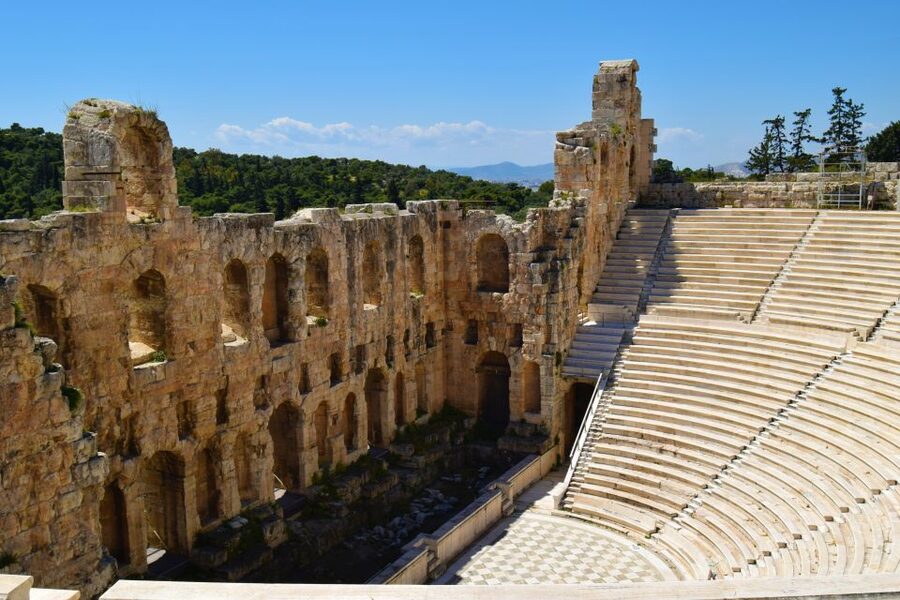
From the theatre, the group climbs the sunlit south slope of the Acropolis. Along the way, you pass the Odeon of Herodes Atticus, often called the Herodion, and the remains of Athens’ first pharmacy.
These stops add texture to the route. The Herodion helps you see that the Acropolis was not just a collection of temples. It was part of a larger setting for public gatherings, performance, worship, and civic life. The old pharmacy remains offer a smaller, more unusual detail that keeps the walk from becoming a procession of only famous ruins.
The south slope is also where practical conditions matter most. The route is on foot, with uneven surfaces and occasional slippery patches. Comfortable shoes are essential. Sandals with poor grip can make the climb less pleasant, and the stones can feel hard underfoot.
Bring water and a hat. There may be shaded pauses, but you should plan for direct sun. One recent morning group began at 10 a.m. and benefited from a small breeze, while an afternoon closure during a very hot period showed how much weather can affect access. Starting times vary, so check the available option carefully before booking.
Passing through the Propylaea
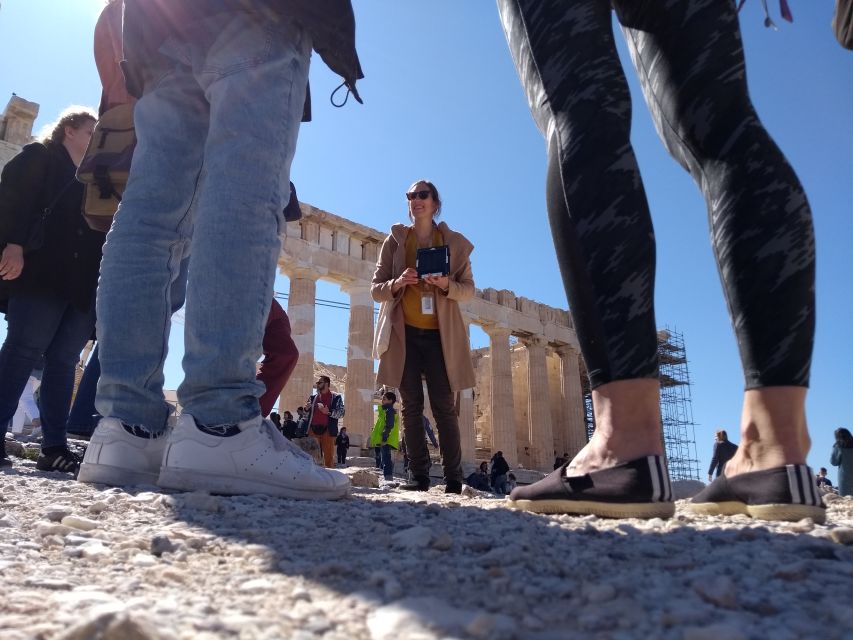
The Propylaea is the monumental entrance to the Acropolis. As you approach this enormous gateway, the climb begins to feel like a formal passage rather than a simple hike.
The guide explains why this entrance was built and how ancient architects handled the scale and design. That context helps you notice the building as architecture, not just as a gateway to the Parthenon. The stonework, columns, and controlled approach prepare you for the open summit beyond.
The Propylaea can be crowded, and the group must follow the route allowed by site conditions. You may not always have a long, quiet pause here. Still, the guide’s explanation gives the stop purpose even when the physical space is busy.
This is one of the moments when a guided visit saves time and attention. You can concentrate on the structure and the story instead of trying to work out which monument you are facing next.
More Athens museums and collections:
- Acropolis monuments & Parthenon Walking Tour with Optional Acropolis Museum
★ 5.0 · 2,678 reviews - Athens All Included: Acropolis and Museum Guided Tour with Ticket
★ 4.5 · 2,673 reviews - Athens: Acropolis Museum Ticket with optional Audio Guide
★ 4.4 · 2,652 reviews - From Athens: Small-Group Delphi, Museum & Arachova Day Trip
★ 4.8 · 2,476 reviews
The Temple of Athena Nike and the view from above
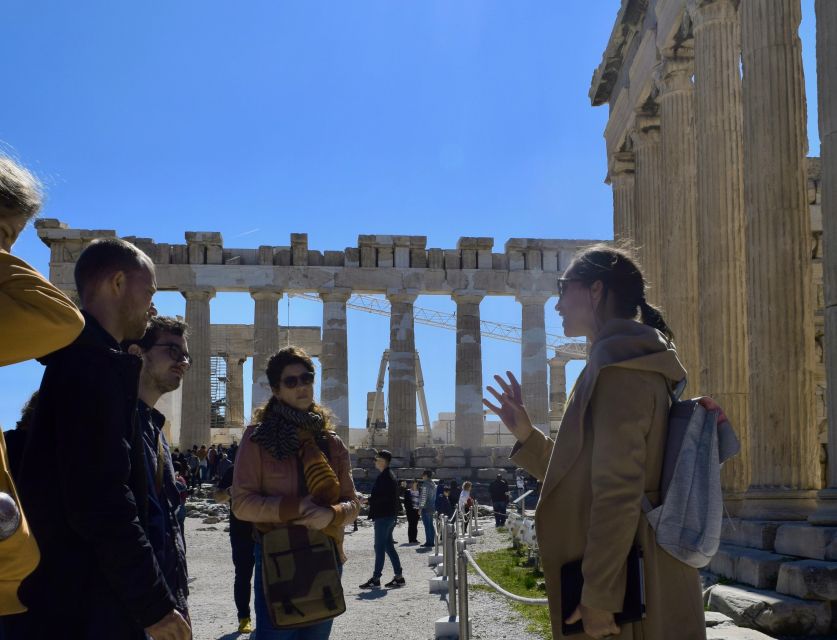
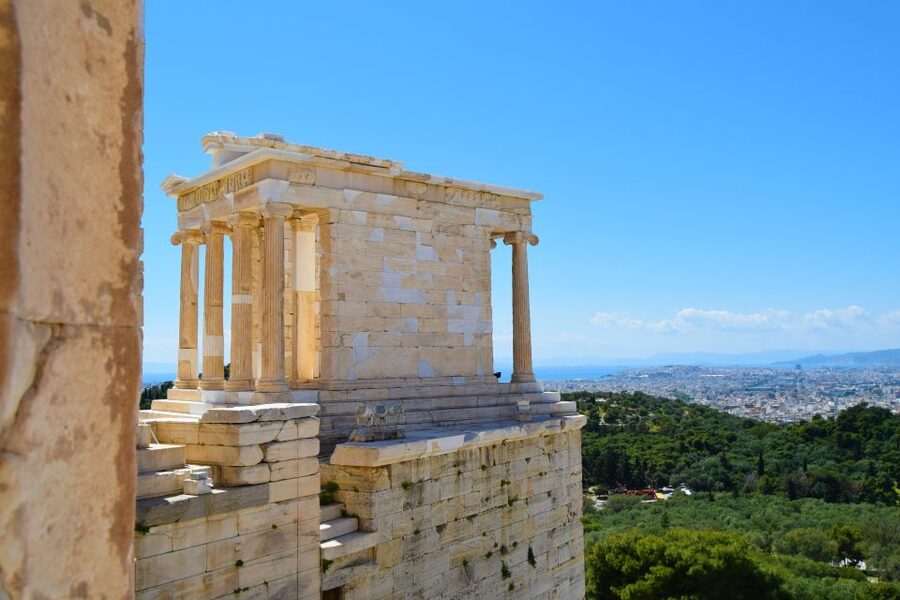
Once you reach the upper area, the Temple of Athena Nike comes into view. It is one of the smaller monuments on the Acropolis, but the guide explains why it was built and how it fits into the larger religious and political story of Athens.
The temple is easy to overlook when the Parthenon dominates the skyline. I like that it receives a proper explanation here. Its position near the entrance gives it a special role in the approach to the sacred hill, and its connection with Athena Nike adds another layer to the city’s mythology.
The top of the Acropolis also gives you time to look outward. The tour is not built around a long sightseeing pause, but you do get free time for photographs at the Parthenon area, lasting about 20 minutes. That is enough to take pictures and catch your breath without losing the group’s schedule.
The light can be harsh, particularly around midday. For better comfort, use the picture stop to find a stable place, drink water, and take photographs before the group moves on. The guide may point out the most useful views, but you should not expect unlimited time for posed pictures.
The Erechtheion and its Caryatids
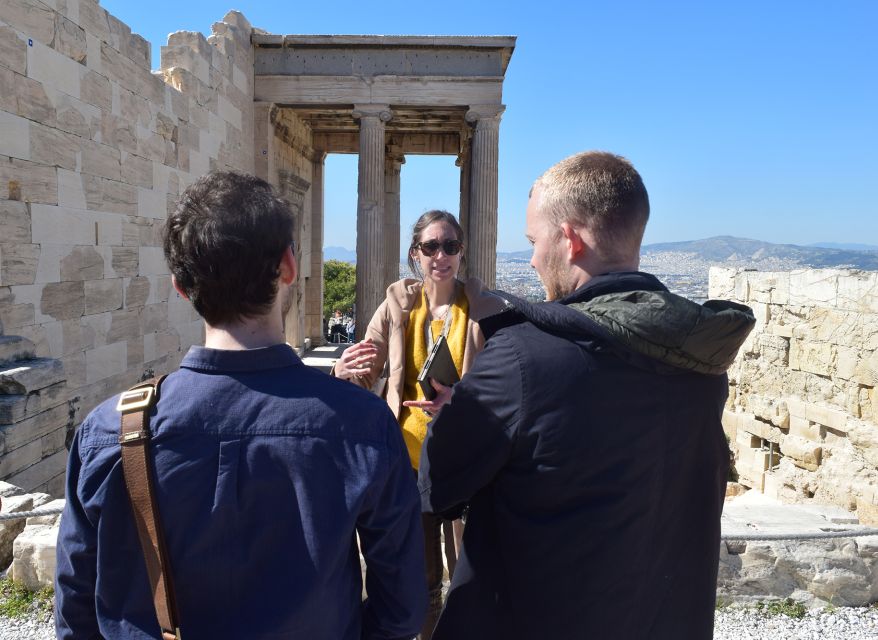
The Erechtheion is one of the most memorable buildings on the Acropolis because of its unusual design and the famous female figures called Caryatids. The guide explains why the building was erected and how its architects worked within the uneven ground of the hill.
This is where the museum visit later becomes especially important. The figures you see in the museum are the authentic Caryatids, while the monument above is best understood as the original architectural setting. Looking at both gives you a fuller picture than seeing either one alone.
The Erechtheion also carries some of Athens’ most important myths, including the legendary contest for the city’s supremacy. A German guide who tells the story well can make the building easier to remember than a simple description of its columns and porch.
You will want to pause here, but the site can be busy and the walking surface remains uneven. Keep your footing and listen from a comfortable position rather than trying to stand in the most crowded spot.
The Parthenon, from architecture to myth
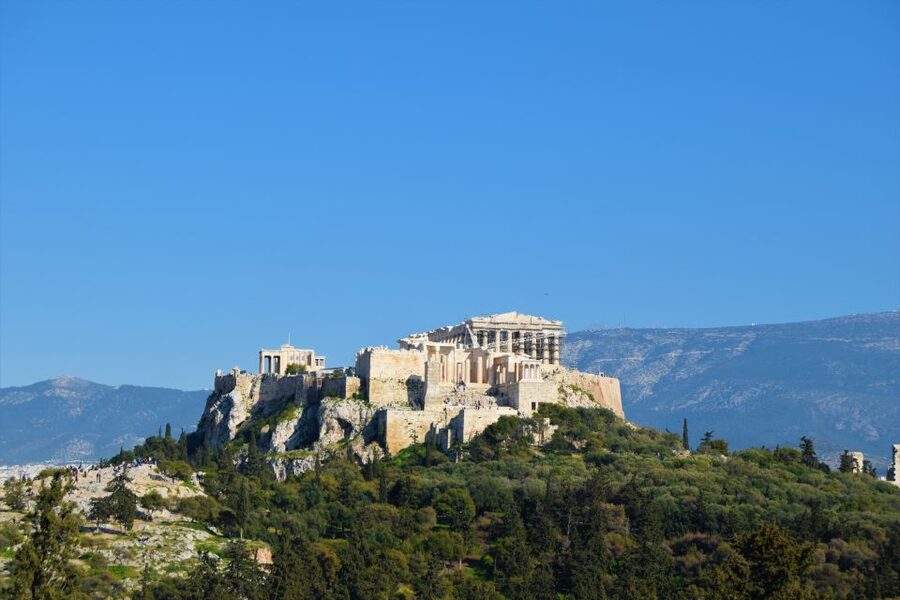
The Parthenon is the main event for many people, and the tour gives it the time it deserves. From close by, you can see the scale of the temple, the surviving columns, and the damage that has shaped its present appearance.
The guide covers why the building was created and what techniques its architects used. That practical detail matters. The Parthenon is famous enough to become a blur of postcards, but understanding its design helps you see the skill behind the remains.
The storytelling also places the temple within Athens’ political and religious development. You hear about the city’s mythology, its competition for supremacy, and the historical period connected with democracy. The result is a more human visit. The stones are still the focus, but the stories explain why the city invested so much effort in this hill.
Do not expect to walk through the Parthenon itself. The experience is about viewing the exterior and its setting from the Acropolis. You get time for photographs and free exploration near the monument, then the guide leads you down toward the museum.
Why the Acropolis Museum completes the visit
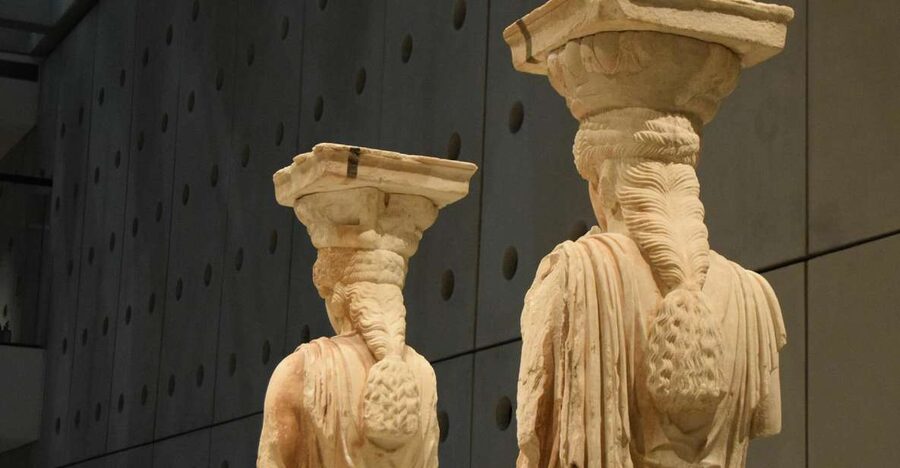
The museum is the second half of the tour, not an optional afterthought. It holds the original sculptures and statues connected with the monuments you have just seen, including the authentic Caryatids and Parthenon sculptures.
Up on the hill, distance and weather limit what you can study. Inside the museum, the sculpture is easier to examine. You can look at faces, folds in clothing, carving marks, and the parts of the decorative program that are difficult to make out from the ground.
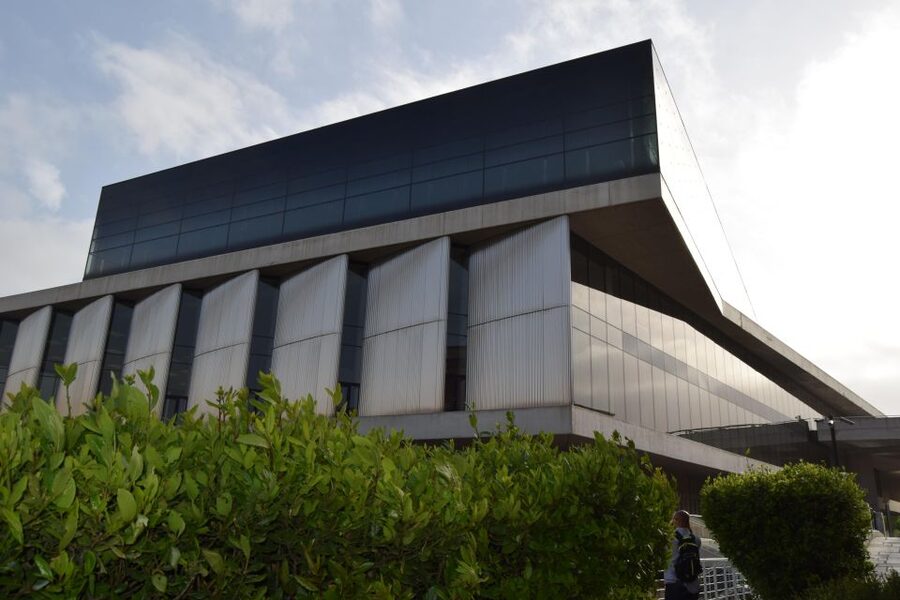
The building itself is modern and spacious, with an exhibition layout that gives the ancient material room to breathe. You finish the activity here after a guided visit, so you do not need to find your own way to another meeting point.
The museum is also a relief after the exposed climb. It gives you shelter and a calmer setting for the final part of the tour. Still, you should not assume that the museum makes the day physically effortless. You have already spent substantial time walking uphill and over stone surfaces.
I especially value the sequence of seeing the Erechtheion and its Caryatids in the same outing. The museum’s original figures turn a familiar image into a real object with scale, detail, and presence. The same is true of the Parthenon sculpture collection.
Guide style and the German-language advantage
A German-language tour is most useful when you want more than a basic orientation. You can ask questions and follow the historical thread without translating in your head, which leaves more attention for the monuments.
Jessica has led recent tours and is described as combining broad historical knowledge with laughter, short stories, and practical tips. Her pace has worked for mixed groups, including families with children aged 11 and 12. One group of nine also used several shaded pauses during a hot visit, with the guide continuing the explanation while everyone rested.
That kind of pacing is important. A guide who rushes the Acropolis can leave you tired and confused. A guide who talks without pause can make the museum feel like another lecture. The most useful balance is a clear explanation at each monument, time to look, and enough movement to keep the three-hour schedule intact.
The language is German, but one recent guide was Dutch. That is not a problem if the presentation is clear, though you should book this specifically for the German tour rather than assume a German national will lead it.
Price, group value, and what is included
The listed price is $152 per person. That is a serious expense, particularly for families, but it includes admission to both the Acropolis and Acropolis Museum, a licensed walking guide, ticket pre-booking administration, and free picture time.
The value depends on how you like to visit major sites. If you are comfortable arranging tickets and reading your own guidebook, you can spend less by visiting independently. You would then need to manage the timing, route, and connection between the hill and museum yourself.
I think the price makes more sense for a first visit, a German-speaking family, or anyone who wants the major Athens sights handled in one focused outing. The museum entry matters. A tour that covered only the Acropolis would leave out the original sculpture collection, which is central to understanding the buildings.
Food, drinks, hotel pickup, and hotel drop-off are not included. The tour is on foot, so plan your transport to and from the meeting point separately. The meeting point can vary by booking option, so check the exact details before setting out.
Free cancellation up to 24 hours in advance and reserve-now, pay-later booking add flexibility. They do not change the physical demands of the walk, but they can help if your Athens plans are still taking shape.
Who should book this three-hour tour
I would choose this tour if you want the Acropolis and museum in one guided block, prefer German explanations, and like history delivered through myths and stories. It also suits families who want a guide to keep children engaged rather than relying on long written labels.
It is a good match for adults with normal fitness who can walk uphill over uneven stone. The three-hour length works well if you have limited time in Athens and want to cover the city’s central ancient sights without committing an entire day.
I would hesitate if you dislike group pacing, need a fully accessible route, or want a slow photographic study of every monument. Pregnant people, wheelchair users, and people with mobility impairments should not book this activity. There is no elevator, and the route can be slippery.
Avoid treating comfortable shoes as a minor suggestion. They are the difference between enjoying the stories and spending the whole climb thinking about your feet. A sun hat and water are just as important, especially during hot weather.
Should you book it?
Book this tour if you want a well-shaped introduction to ancient Athens in German, with the Parthenon, Theatre of Dionysus, Erechtheion, and museum all connected by one guide. The strongest reason to choose it is the combination of storytelling and original sculpture, especially if Jessica is leading your departure.
At $152 per person, it is not a bargain ticket. You are paying for convenience, reserved admission, a licensed guide, and a clear three-hour route. For a first visit, those extras can be worth it. If you are fit, prepared for sun and stone, and want context rather than a quick photo stop, I would book it.
FAQ
Is the tour conducted in German?
Yes. The activity includes a live German-speaking guide.
How long does the tour last?
The tour lasts approximately three hours, including the Acropolis and the Acropolis Museum.
What monuments are included on the Acropolis visit?
The route includes the Theatre of Dionysus, Odeon of Herodes Atticus, Temple of Athena Nike, Propylaea, Erechtheion, and Parthenon.
Are entry tickets included?
Yes. Entry tickets to the Acropolis and Acropolis Museum are included, along with administration fees for ticket pre-booking.
Is the tour suitable for people with limited mobility?
No. The route includes an uphill walk over uneven surfaces, and the Acropolis has no elevator. It is not suitable for wheelchair users or people with mobility impairments.
What should I bring?
Bring comfortable shoes, a sun hat, and water. Food and drinks are not allowed at the sites, and drones, weapons, and sharp objects are prohibited.
Recently reviewed around Athens
- Small-Group Women History in Ancient Greece Walking Tour★ 5.0 · 38 reviews
- Ceramic and Pottery Creative Workshop with Two Local Artists★ 4.0 · 57 reviews
- Athens: Wine Workshop Create your Own Wine under the Acropolis★ 5.0 · 77 reviews
- Athens: Greek Wines Tasting with Sommelier and Acropolis Views★ 5.0 · 88 reviews
- Small-Group Wine Tour in Athens with Tasting★ 5.0 · 33 reviews
- Wine Trails Private Tour/ Nemea visit 3 wineries from Athens or Nafplion (10 h)★ 5.0 · 44 reviews
- Hydra Private Day Trip by Ferry from Athens with Transfers★ 4.0 · 30 reviews
- Private Athens Transfer Airport/Port -Greek Tours-Hourly service★ 5.0 · 88 reviews
Acropolis & Acropolis Museum Tours, compared.

Acropolis & up to 5 Archaeological Sites Combo Pass
Read our review →

Acropolis, Parthenon & Acropolis Museum Guided Tour
Read our review →
Acropolis, Parthenon & Acropolis Museum Guided Tour
Read our review →


Acropolis monuments & Parthenon Walking Tour with Optional Acropolis Museum
Read our review →Browse the lists this tour appears in