Reviewed · TICKETS
Athens: Agora and Hephaistos Temple Entrance Ticket
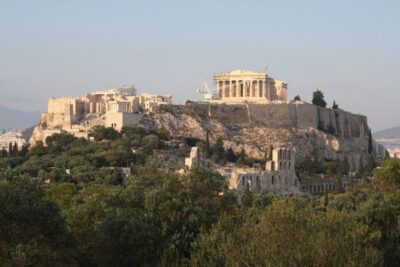
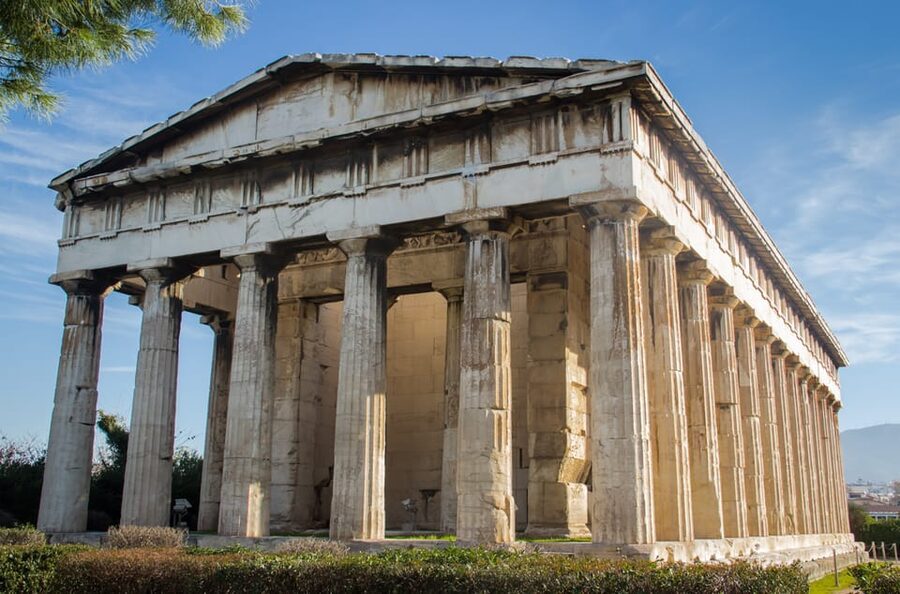
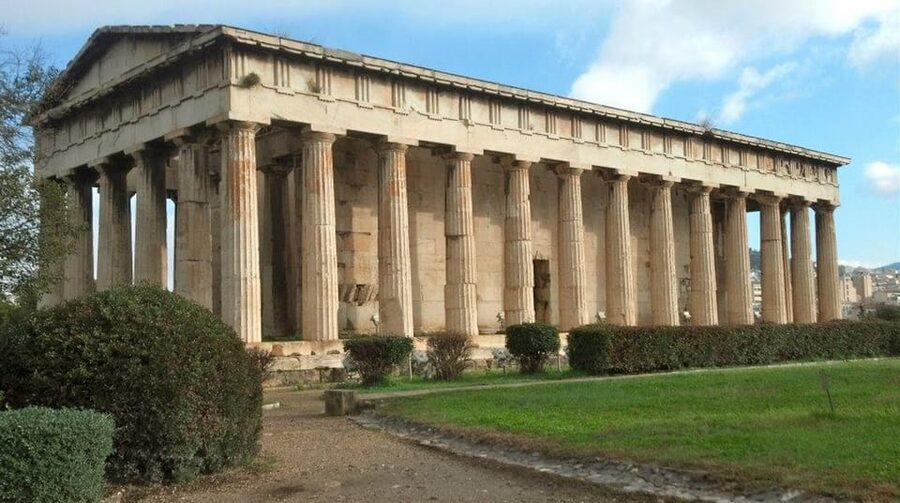
The Temple of Hephaistos is the star of this visit: a remarkably complete Doric temple rising above the Ancient Agora, with Athens’ rocky Acropolis often visible beyond it. The Agora itself adds something the Acropolis cannot, a closer look at ordinary civic life, politics, worship, and trade in ancient Athens.
I like the freedom of a timed ticket that lets you walk at your own speed, and I like the option of an audio guide with short stories and historical explanations. The main drawback is the entrance. Directions and map pins have caused confusion, and the ticket is tied tightly to your chosen time slot.
- Temple of Hephaistos: See one of the best-preserved ancient Greek temples, with its columns and main structure still remarkably intact.
- Ancient Agora: Walk through the old civic center of Athens, where people met, traded, debated, and worshipped.
- Church of the Holy Apostles: Visit an early Christian church associated with St. Paul’s preaching.
- Optional audio guide: Listen in English, German, Spanish, Italian, or French while moving around independently.
- Timed admission: Enter only during your selected slot or within 15 minutes before or after it.
- Thissio entrance: The current entrance is on Apostolou Pavlou pedestrian street at Thissio Square, also called Jacqueline de Romilly Square, according to the supplied access information.
In This Review
- Why the Ancient Agora Deserves Time After the Acropolis
- Reaching the Entrance at Thissio Square
- The Temple of Hephaistos, Athens’ Best-Preserved Ancient Temple
- The Ancient Agora’s Political and Daily Life
- The Church of the Holy Apostles
- Is the Audio Guide Worth Adding?
- Ticket Value at About $30
- How Much Time Should You Allow?
- Who Will Enjoy This Athens Ticket?
- Practical Tips for a Smoother Visit
- FAQ
- Where is the entrance to the Ancient Agora?
- What does the ticket include?
- Is there a live guide?
- Can I enter at any time during the day?
- Is the site wheelchair accessible?
- Who can receive free admission?
- Should You Book the Ancient Agora Ticket?
Why the Ancient Agora Deserves Time After the Acropolis
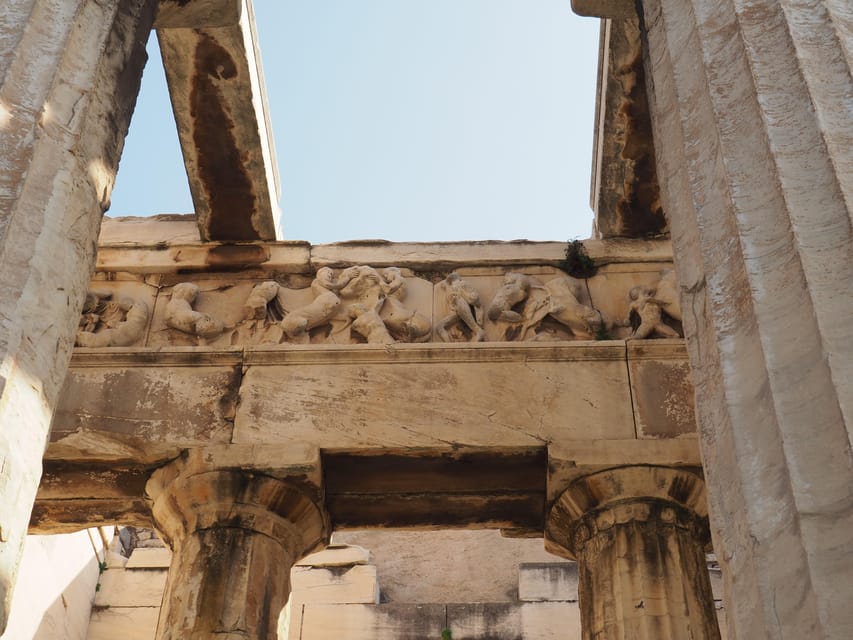
The Acropolis gives you Athens at its grandest. The Ancient Agora gives you the city at street level.
This broad archaeological site was once the practical heart of Athens. It was a marketplace, meeting place, political center, and religious area. Much of what you see now consists of foundations, broken columns, and low walls, so you need to use your imagination. Yet the layout helps. As you walk uphill and across the site, you can begin to picture a city organized around public life rather than private homes.
I find this a useful second stop after the Acropolis because it fills in the human side of ancient Athens. Here, you are not only looking at a famous monument. You are tracing the spaces where civic decisions were made, goods were exchanged, and religious life continued.
The site is large enough to reward a slow walk. One visitor spent about four hours seeing everything, while a quicker visit could focus on the temple, church, museum, and main ruins. Your ideal time depends on how closely you want to study the remains and whether you use the audio guide.
Reaching the Entrance at Thissio Square
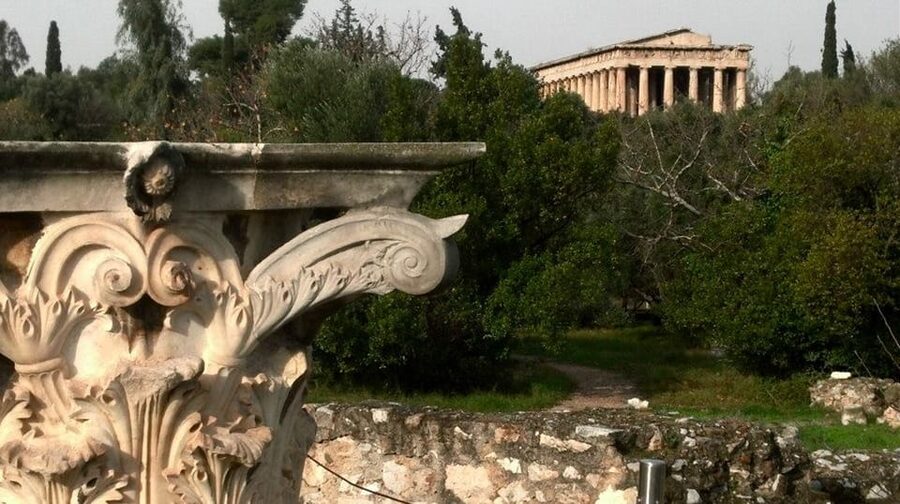
The most important practical point is to check the entrance location before you set out. The supplied information says visitors currently enter and leave from the Thissio Square entrance on Apostolou Pavlou, the pedestrian street. This arrangement is scheduled to remain in place until the end of 2025, so you should confirm access details if your visit falls later.
Older map information has led some people toward a closed or unused entrance. That can mean an extra walk of roughly 10 minutes, a frustrating detour when your admission is time-sensitive. One especially confusing route led people uphill, only to find no ticket office or ticket checker, followed by another walk to locate the active gate.
I would not rely on the first map pin alone. Look for the entrance name and current access instructions, then allow extra time. The ticket permits entry only at the selected time or within 15 minutes before or after it. Arriving at the wrong gate could turn a simple visit into a race.
Once you reach the correct entrance, the process is simple. Go directly to the archaeological site, scan the ticket at the validating machines, and begin exploring. There is no live guide waiting for you, so you are free to set your own route.
More Athens trips worth a second look
- Athens: Acropolis & up to 5 Archaeological Sites Combo Pass
★ 4.4 · 12,619 reviews - Athens: Acropolis Ticket with Optional Audio or Live Guide
★ 4.2 · 11,055 reviews - Athens: Acropolis, Parthenon & Acropolis Museum Guided Tour
★ 4.8 · 9,316 reviews
The Temple of Hephaistos, Athens’ Best-Preserved Ancient Temple
Make the Temple of Hephaistos your first major stop. It is the most complete ancient Greek temple on the site and one of the finest surviving examples of a Doric temple anywhere.
The temple was dedicated to Hephaistos, the ancient Greek god associated with metalworking and craftsmanship. Its location above the Agora gives it a strong visual presence. You can study the regular rows of columns, the triangular pediments, and the overall balance of the structure without having to reconstruct every part from scattered fragments.
That preservation matters. At many ancient sites, you spend much of your time reading foundations and imagining the missing upper sections. Here, the basic shape is clear. You can see how the temple was proportioned and how the columns supported the roofed structure.
Do not rush past the surrounding views. The temple sits on higher ground, and the walk up gives you a useful look back across the Agora. The setting also provides views toward the Acropolis, making this a good spot for photographs. Bring a camera, but remember that the site has limited shade, especially during hot weather.
Comfortable shoes are essential. The route includes uphill walking and uneven archaeological ground. A hat, sunscreen, and water are not optional extras on a sunny day. One visitor had to cut the visit short because of overheating, a reminder that the site can feel demanding even when the walking distance looks modest.
The Ancient Agora’s Political and Daily Life
After seeing the temple, take time to read the Agora as a city center rather than a field of ruins.
The remains include the foundations of buildings that once supported public and political life. You may find it hard to picture the original structures at first, but the audio guide, signs, and site layout help connect the stones to their earlier uses. The most valuable part of the visit is the gradual shift in perspective: this was not simply a collection of monuments. It was a working part of Athens.
The Agora served several roles at once. It was a place to buy and sell goods, meet other citizens, discuss public affairs, and take part in religious activity. That mixture gives the site its appeal. The Acropolis represents a ceremonial high point, while the Agora shows how the city functioned below.
Keep an eye out for the original Spartan bronze shield mentioned in the site commentary. It is an unusual object among the ruins and offers a more personal connection to the ancient world than another broken wall can provide.
The ground is open and exposed, with little shade. Plan your route around the weather if possible. A morning or later afternoon visit may be more comfortable than walking through the site under the strongest midday sun, though your ticket still controls the entry time.
The Church of the Holy Apostles
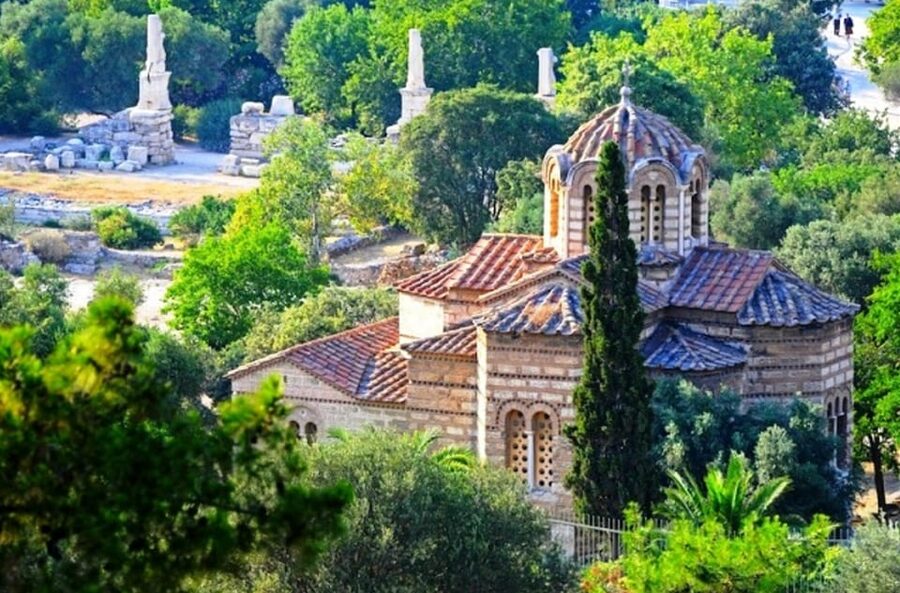
The Church of the Holy Apostles adds a very different layer to the Agora.
This small Byzantine church is associated with St. Paul, who is said to have preached in the area. Its presence helps you see that the Agora did not simply stop mattering after the classical period. The site continued to be used and reshaped as Athens moved through different religious and political eras.
The church is important partly because it interrupts the expected sequence of classical Greek ruins. After columns, foundations, and temple remains, a Christian building changes the mood and reminds you that this place had a long life beyond the age of Pericles.
The ticket includes entrance to the church as well as the Temple of Hephaistos. Give it more than a quick glance. The church is one of the site’s most notable landmarks, and its connection with St. Paul gives it particular interest for visitors following early Christian history in Athens.
A different kind of day out, same corner of Greece:
- Athens: Cape Sounion & Poseidon Temple Sunset Half-Day Trip
★ 4.8 · 8,241 reviews - Athens: Acropolis and Parthenon Guided Walking Tour
★ 4.6 · 5,882 reviews - All Day Cruise -3 Islands to Agistri,Moni, Aegina with lunch and drinks included
★ 5.0 · 4,958 reviews - Athens, Piraeus, and Coastline: Blue Hop-On Hop-Off Bus
★ 3.9 · 4,849 reviews
Is the Audio Guide Worth Adding?
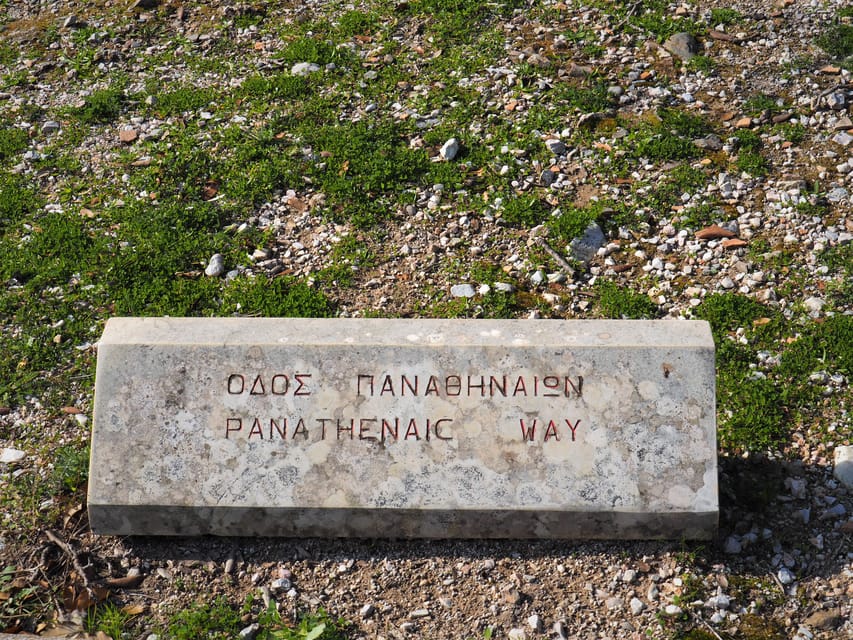
The self-guided audio tour can make the Agora easier to understand, especially if ancient ruins usually blur together for you. It uses professional, licensed guides and storytelling experts to provide historical information and selected stories as you walk.
The available languages are English, German, Spanish, Italian, and French. You use your own headphones and move through the site independently, rather than following a guide and a group.
I like this format for the Agora because the ruins need explanation. A broken foundation has little meaning until you know what stood there and how the space was used. The audio can supply that missing link, and one visitor particularly appreciated its small asides and stories.
There is a catch. The audio tour’s route may not match the current entrance arrangement. The opening section was designed around an entrance that is no longer in use, which made it difficult for one visitor to follow. In that case, the audio tour included a useful map, but it only became clear that the visitor was at the back of the site after some extra walking.
Another visitor found the signs and written information easier to follow than the audio. That is a fair point. If you prefer reading at your own pace, or if you want to stop often for photographs, you may not need the add-on. If you want more context while walking and do not mind adjusting the route, it can be worthwhile.
The audio guide is not a live guided tour. You will not have someone answering questions or adjusting the explanation to your interests. This is a self-guided visit, which suits independent explorers but may feel less engaging if you prefer a personal guide.
Ticket Value at About $30
The listed price is $30 for a group of up to one, which effectively means the regular adult-price ticket. It is not a discounted family ticket, and people of all ages may use this offer while paying the full adult rate.
That makes the value depend on your priorities. Pre-purchasing can save time when the site is busy or when you need a specific entry slot. Several people found the scanning process easy, and one person said pre-ordering helped bypass a long line.
On quieter days, the calculation is less favorable. One visitor found the Agora uncrowded and felt that buying ahead had cost more than necessary. Since the activity is non-refundable and the time cannot be amended, you should not book casually if your schedule may change.
The audio guide may improve the value if you want interpretation included. Without it, you are paying mainly for timed access to the archaeological site and the convenience of having a ticket ready. With it, you get additional historical narration, but still no live guide.
Free admission rules also matter. From April 1, 2025, EU citizens under 25 and non-EU citizens under 18 can receive free admission by presenting identification at the ticket booth. People with disabilities can also receive free admission with a Disability Certificate. Since this offer is for the regular adult ticket, check your eligibility before paying.
How Much Time Should You Allow?
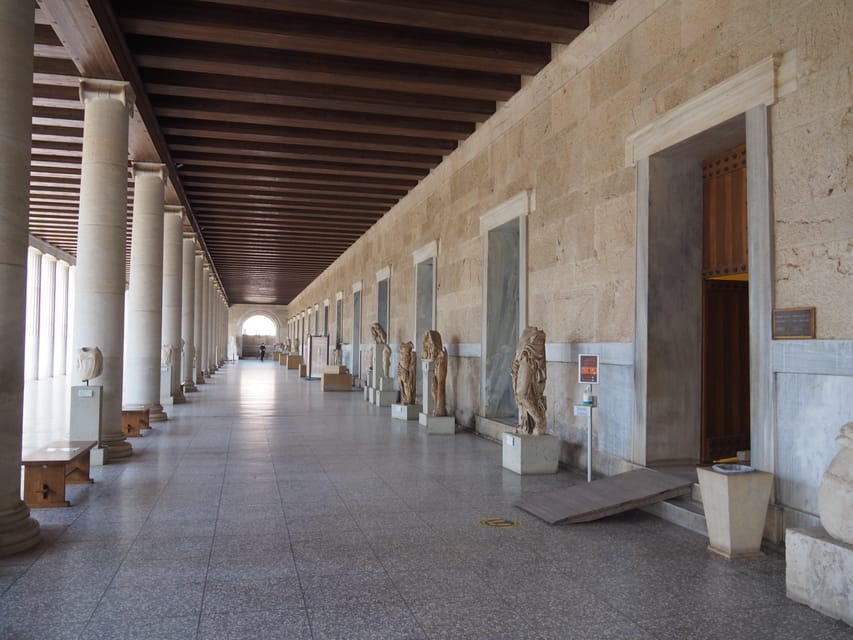
You can see the major highlights in a focused visit, but the Agora rewards patience.
Allow enough time for:
- The Temple of Hephaistos and its surrounding views
- The Church of the Holy Apostles
- The political and marketplace ruins
- The museum, which several visitors found worthwhile
- The audio guide, if selected
- Pauses for photographs and orientation
A short visit may cover the temple and church, but it will leave less time for the wider Agora. If you want to understand the site rather than simply collect photographs, plan for several hours. One visitor spent four hours walking through the area, while others described it as an easy, enjoyable walk of shorter length.
The site is wheelchair accessible, though the terrain and uphill paths may still affect how comfortably you move around. The information supplied confirms accessibility, but it does not detail which paths are easiest, so you may want to ask at the entrance for practical route advice.
Who Will Enjoy This Athens Ticket?
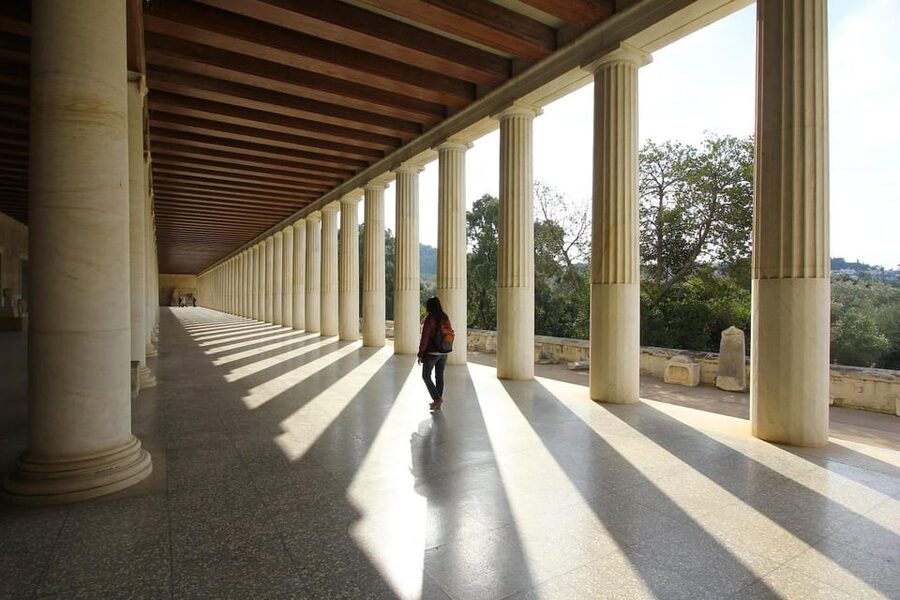
I would recommend this visit to anyone who has already seen the Acropolis and wants a better sense of how ancient Athens operated. It also suits history fans, architecture lovers, visitors interested in early Christianity, and people who prefer exploring without a fixed group schedule.
Families can use the ticket, but keep the full adult-price rule in mind. Children may enjoy the temple’s clear shape and the open space, though the amount of foundations and explanatory material may test younger attention spans.
The audio option is best for you if you want historical stories without arranging a live tour. Skip it if you prefer signs, quiet walking, and complete control over where you stop.
I would be more cautious if your day is tightly packed, your entry time is difficult to meet, or you dislike walking in exposed heat. The site is not hard to explore, but the entrance confusion and lack of shade can make a rushed visit less pleasant.
Practical Tips for a Smoother Visit
Check the exact meeting point and entrance before leaving. The active gate is listed at Thissio Square on Apostolou Pavlou, but access arrangements can change.
Arrive close to your slot, not long after it. Entry is permitted only during the chosen time or within 15 minutes before or after.
Wear shoes with good support. The site involves walking uphill and crossing archaeological ground.
Carry water, sunscreen, and a hat. Shade is limited, and hot weather can shorten your visit.
Bring headphones if you select the audio guide. You will listen while walking rather than receiving equipment or commentary from a live guide.
Visit the museum if you have time. It adds objects and explanations that can help make sense of the open-air remains.
Use the Acropolis as a visual reference, but do not treat the Agora as a quick photo stop. Its value comes from connecting the fragments into a picture of daily civic life.
FAQ
Where is the entrance to the Ancient Agora?
The supplied access information says visitors enter and exit at Thissio Square, also called Jacqueline de Romilly Square, on the pedestrian street of Apostolou Pavlou. Check current access details before your visit because entrance arrangements may change.
What does the ticket include?
The ticket includes entrance to the Ancient Agora, the Temple of Hephaistos, and the Church of the Holy Apostles. A self-guided audio tour is included only if you select that option.
Is there a live guide?
No. This is a self-guided visit. The optional audio tour provides recorded historical information and stories in English, German, Spanish, Italian, or French.
Can I enter at any time during the day?
No. You must enter during your selected time slot or within 15 minutes before or after it. The entry time and travel date cannot be changed.
Is the site wheelchair accessible?
Yes, the activity information identifies the site as wheelchair accessible. People with disabilities can receive free admission by presenting a Disability Certificate at the ticket booth.
Who can receive free admission?
From April 1, 2025, EU citizens under 25 and non-EU citizens under 18 can receive free admission by showing identification at the ticket booth. People with disabilities can also receive free admission with the required certificate.
Should You Book the Ancient Agora Ticket?
Book it if you want an easy, independent visit to one of Athens’ most important ancient sites, especially when you need a fixed entry time or expect lines. The Temple of Hephaistos alone is a strong reason to come, while the Agora and Church of the Holy Apostles add political, daily-life, and Christian history.
Think twice if your date is uncertain, you qualify for free admission, or you are visiting during a quiet period when tickets are easy to buy at the site. If you do book, verify the Thissio entrance, arrive within the narrow time window, and bring water. With those details handled, this is a worthwhile way to move beyond the Acropolis and see the Athens where public life actually happened.
Recently reviewed around Athens
- Small-Group Women History in Ancient Greece Walking Tour★ 5.0 · 38 reviews
- Ceramic and Pottery Creative Workshop with Two Local Artists★ 4.0 · 57 reviews
- Athens: Wine Workshop Create your Own Wine under the Acropolis★ 5.0 · 77 reviews
- Athens: Greek Wines Tasting with Sommelier and Acropolis Views★ 5.0 · 88 reviews
- Small-Group Wine Tour in Athens with Tasting★ 5.0 · 33 reviews
- Wine Trails Private Tour/ Nemea visit 3 wineries from Athens or Nafplion (10 h)★ 5.0 · 44 reviews
- Hydra Private Day Trip by Ferry from Athens with Transfers★ 4.0 · 30 reviews
- Private Athens Transfer Airport/Port -Greek Tours-Hourly service★ 5.0 · 88 reviews
Tickets, compared.
Athens All Included: Acropolis and Museum Guided Tour with Ticket
Read our review →
Acropolis Museum Ticket with optional Audio Guide
Read our review →
Acropolis Ticket & Optional Self-Guided Audio Tours
Read our review →
Knossos Palace Entry Ticket with Optional Audio Guide
Read our review →